


A

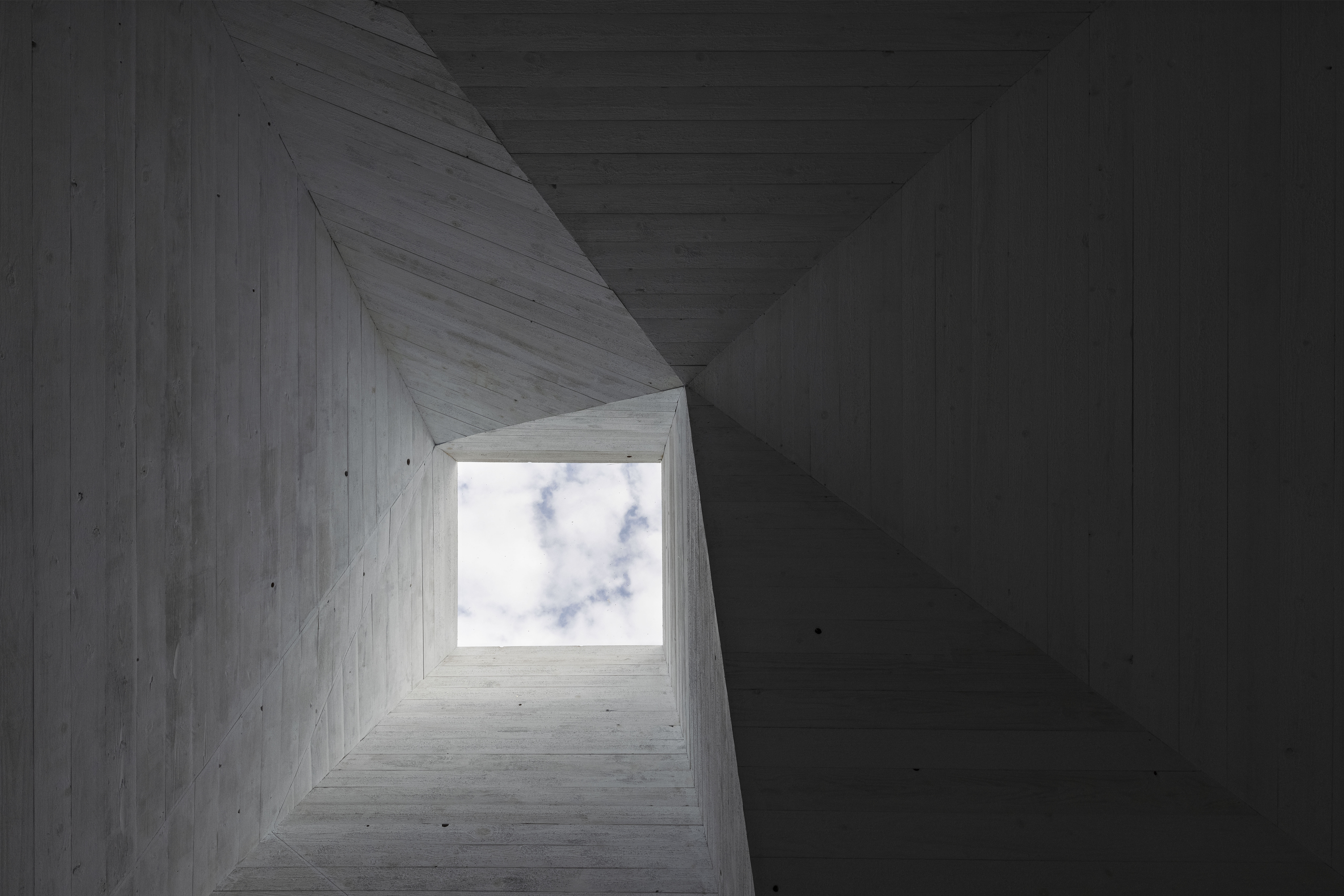
The Poetic Daylight Pavilion investigates the qualitative dimensions of daylight through architecture, spatial perception, and sensory experience. Conceived as both an architectural 1:1 installation and a research instrument, the pavilion explores how different daylight conditions shape atmosphere, spatial understanding, and human experience.
Daylight is a fundamental component of architectural experience. Through variations in intensity, colour, direction, and temporal rhythm, it shapes our perception of space and our relationship to the surrounding environment. In the Nordic context, where daylight is both limited and highly valued, understanding its qualitative and experiential dimensions becomes particularly significant. The pavilion serves as a full-scale experimental environment for investigating how different daylight conditions influence spatial perception, atmosphere, and human experience.
Developed for the UIA World Congress of Architects and Copenhagen World Capital of Architecture 2023, the pavilion received more than 100,000 visitors before being reconstructed at the Royal Danish Academy, where it served as a platform for research, teaching, and public engagement from 2024 to 2026.
Later in 2026, Danish Architectural Press will publish Poetic Daylight, a book presenting an architectural and research-based investigation into the poetic potential of daylight. Through the Daylight Pavilion and contributions from architects, researchers, artists, and engineers, it explores the relationship between light, space, atmosphere, and human perception.
The pavilion consists of three interconnected spaces that investigate the three principal components of daylight: light from the sky, direct sunlight, and reflected light. Together, these spaces demonstrate how daylight can be understood not merely as illumination, but as a spatial, atmospheric, and perceptual phenomenon.
The first space explores light from the sky. A carefully positioned roof aperture draws light into the space, creating a soft and evenly illuminated environment that reveals the changing atmospheric qualities of the sky.


The second space investigates direct sunlight as a dynamic and time-dependent phenomenon. A south-facing opening allows sunlight to move through the space, producing shifting patterns of light and shadow that make the passage of time visible.


The third space focuses on reflected light and the role of materiality in shaping luminous environments. White, reflective surfaces capture and redistribute daylight, demonstrating how materials actively contribute to our perception of light and space.


The Poetic Daylight Pavilion is an interdisciplinary collaboration between Claus Pryds Architects, Aalborg University (BUILD), The Royal Danish Academy of Architecture, Design and Conservation, Aaen Engineering, Holst Engineering, and FRYD! ApS.
The project brings together expertise from architecture, daylight research, engineering, and design. All photographs by Laura Stamer
The project is generously supported by the Dreyer Foundation.


