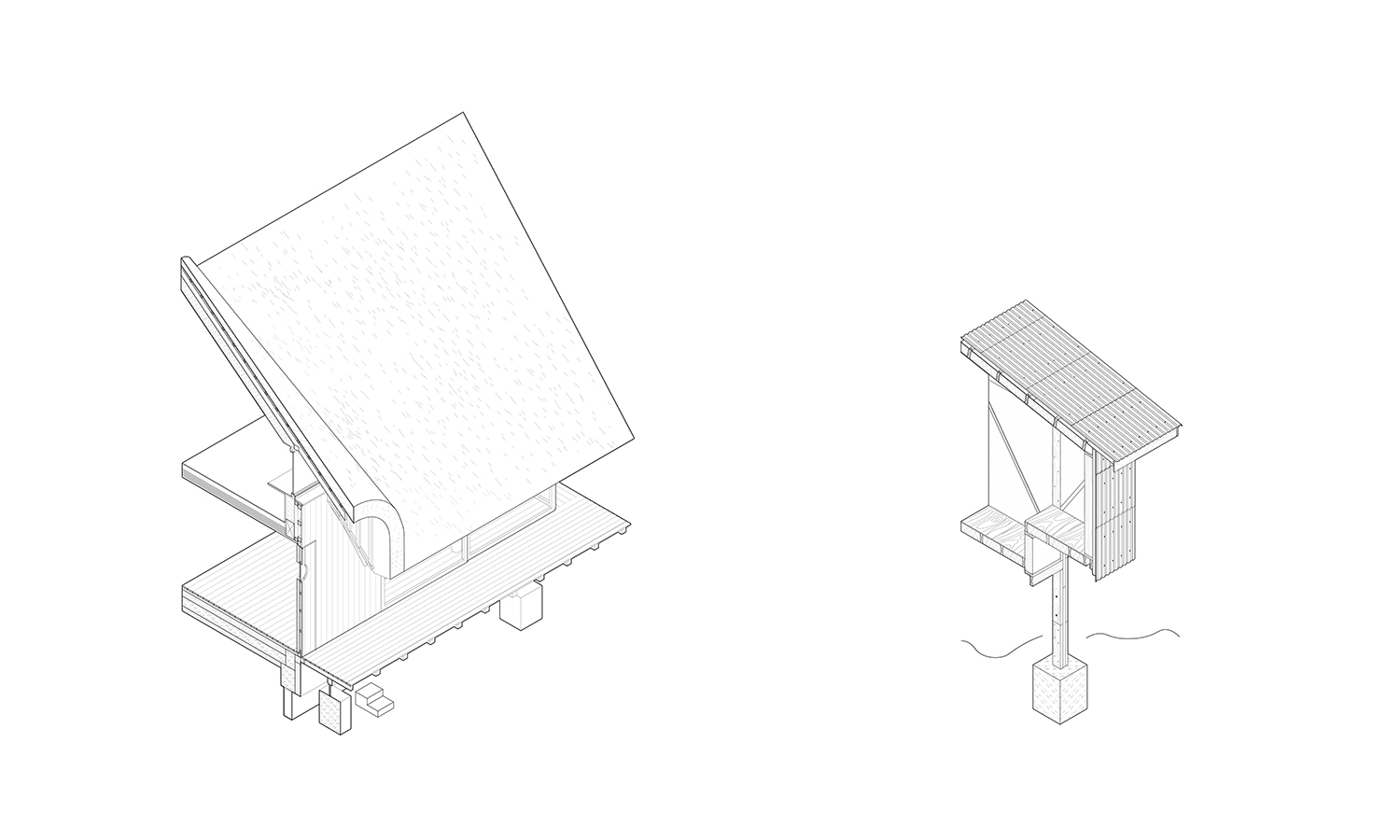
A

In my PhD project, I focus on Biobased Construction in Building Praxis – Constructive preservation as a design strategy. The research investigates how biobased and biogenic materials—such as wood, straw and reed—can be more effectively integrated into contemporary construction by developing a scientific base for biobased building systems that can improve existing practices. Central to this work is the concept of constructive preservation (konstruktiv beskyttelse) as a design parameter that addresses the inherent vulnerabilities of biobased materials while enabling their properties and architectural potential.
The ambition is to contribute to an overall understanding of how biobased constructions can achieve longer lifespans and lower CO₂ footprints by aligning material properties, tectonics and design strategies. The project examines the material ethics embedded in material selection, particularly through analyses of total CO₂ output and lifespan. Because biobased materials (are said to) decay faster and require more protection than fossil‑based materials, the research explores how architectural design can not only accommodate but actively leverage natural processes of the material and construction. In doing so, the project seeks to support a broader adoption of biogenic materials at a time when stricter environmental regulations demand a shift away from fossil‑based construction systems.
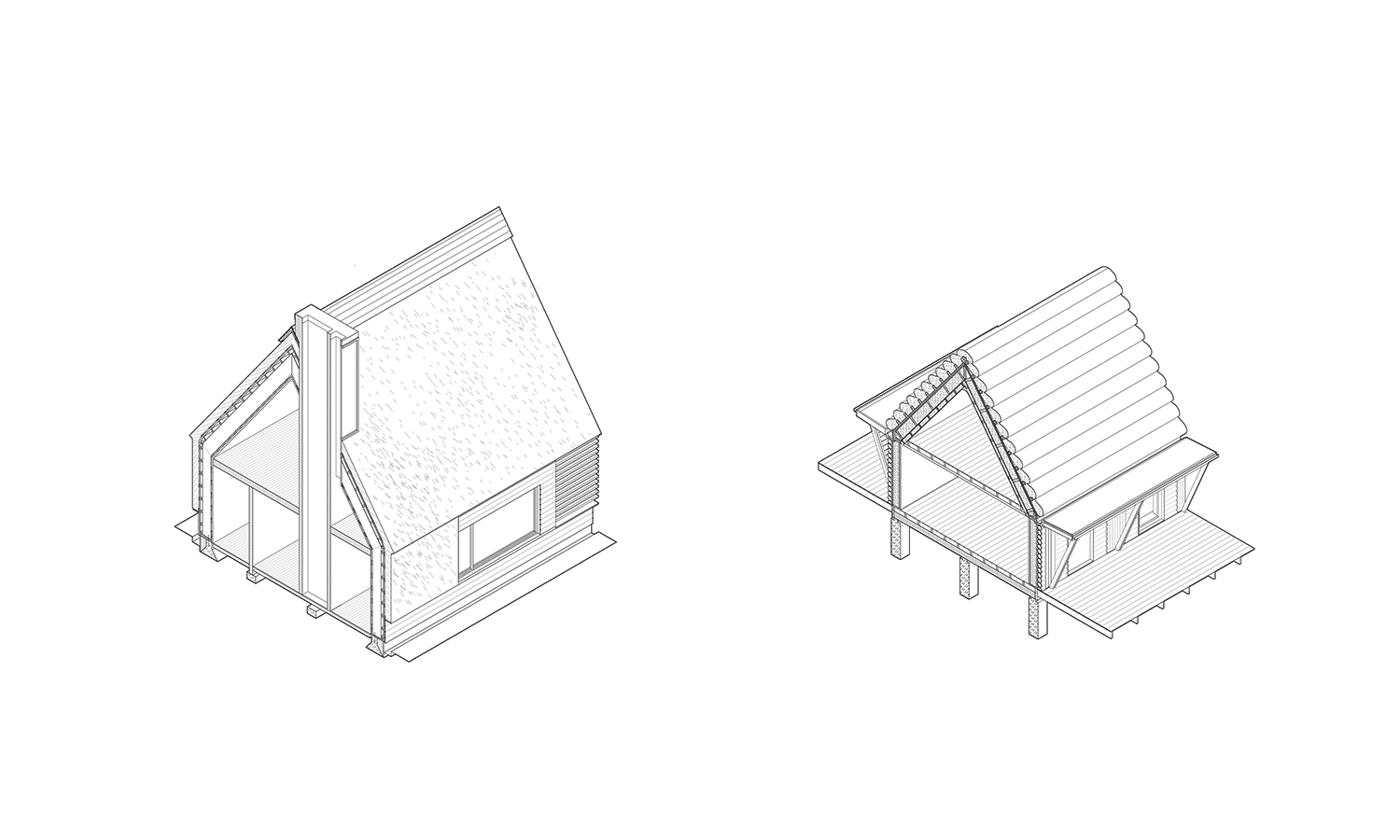
The PhD project aims to contribute to international academic debates on how we can support building with biobased materials at a larger scale in the industry. This also regards, rethinking material lifespan, developing adaptive architectural strategies, and challenging the current Life Cycle Assessment (LCA) frameworks that shape material viability. Recent research demonstrates that existing LCA standards often penalize biobased materials which is designed for biodegradation, composting, and carbon sequestration at end-of-life. Since LCA is now embedded in building regulation in Denmark, inadequate accounting definitions of biobased materials’ lifespans risks of preventing the adoption of a category of materials that has great architectural– and sustainable abilities. This project therefore addresses broader questions such as what constitutes material lifespan and how can lifespan be understood as an active design parameter rather than a fixed technical metric?
The PhD project draws on research‑by‑design as its primary methodology, using 1:1 built experiments, design experiments, typological studies, and tectonic analyses to develop drawn principles for constructive preservation. These principles are used to formulate a design strategy for biobased construction in line with Danish building instructions “SBI-anvisninger”. The theoretical foundation includes Gottfried Semper’s writings on material metamorphosis and protective elements (four elements of architecture), as well as contemporary discussions on longevity and properties in different materials’, constructions, tectonics and details by Steward Brand, Andrea Deplazes ect. Through this combined methodological and theoretical approach, the project investigates how biobased constructions can become more durable, adaptable and architecturally compelling while remaining within planetary boundaries.
The PhD project is supervised by Associate Professor, PhD Nini Leimand (main supervisor) and Professor, PhD Anne Beim (co‑supervisor), CINARK / The Institute of Architecture and Technology at CINARK, Royal Danish Academy. Boligfonden Kuben and Træfonden have partially supported a workshop and a study trip. The PhD is funded by REALDANIA and The Royal Danish Academy.