A


In areas with endemic mosquito-borne diseases like Zanzibar, hospitals may become transmission hotspots if patients or staff are bitten by infected mosquitoes inside and then bring these diseases back to their home communities. The design of hospital buildings themselves may increase risk of being bitten by a mosquito through, for example, windows left open due to overheating providing mosquito entry points, overcrowding attracting mosquitoes and increasing bites because occupants are close together, or mosquitoes breeding in water systems and waste containers.
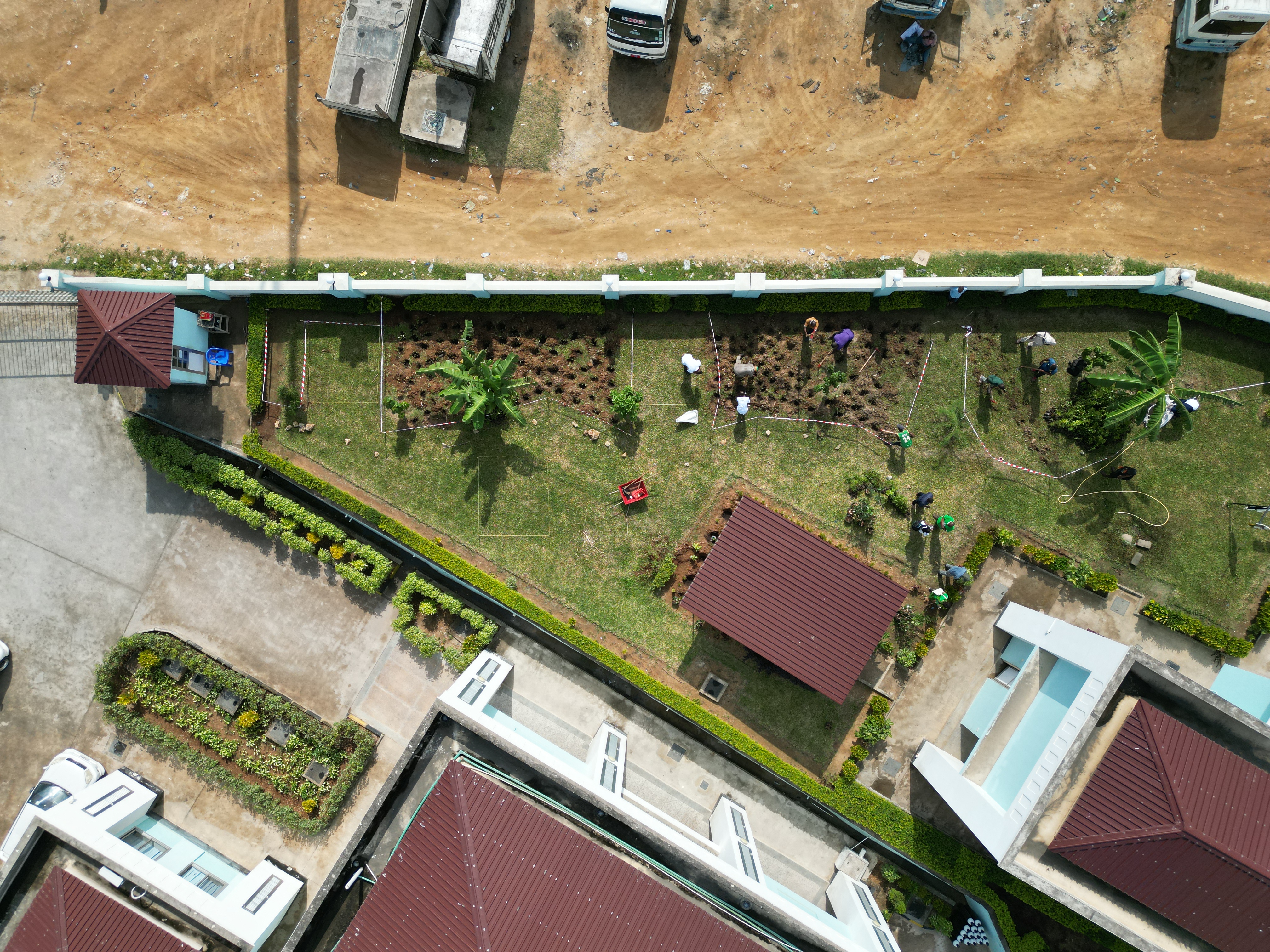
This PhD project investigates how mosquito-borne disease transmission risks in hospital environments can be identified and how vector control responses can be developed through adaptations to the building and the surrounding landscape. Conducted across four district hospitals in Zanzibar as part of the interdisciplinary MBD-Free Project, the research combines environmental monitoring, archival analysis, co-creation workshops, and contextual material practice to reveal the environmental conditions driving transmission and to develop preventive interventions tailored to local routines, construction practices, and stakeholder needs.
In the coming decades, climate change, urbanisation and global trade are expected to help disease-carrying mosquitoes spread to new areas, while in sub-Saharan Africa, large-scale hospital construction is needed to meet universal healthcare targets. This research demonstrates how the design of healthcare environments, co-created together with end users, could help prevent future mosquito-borne disease epidemics while offering broader health, social and environmental benefits.