A

Of Rocks and Beasts - Tales from a Sacrifice Zone Under Green Extractivism
In collaboration with Mikuláš Beck.
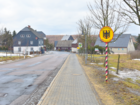
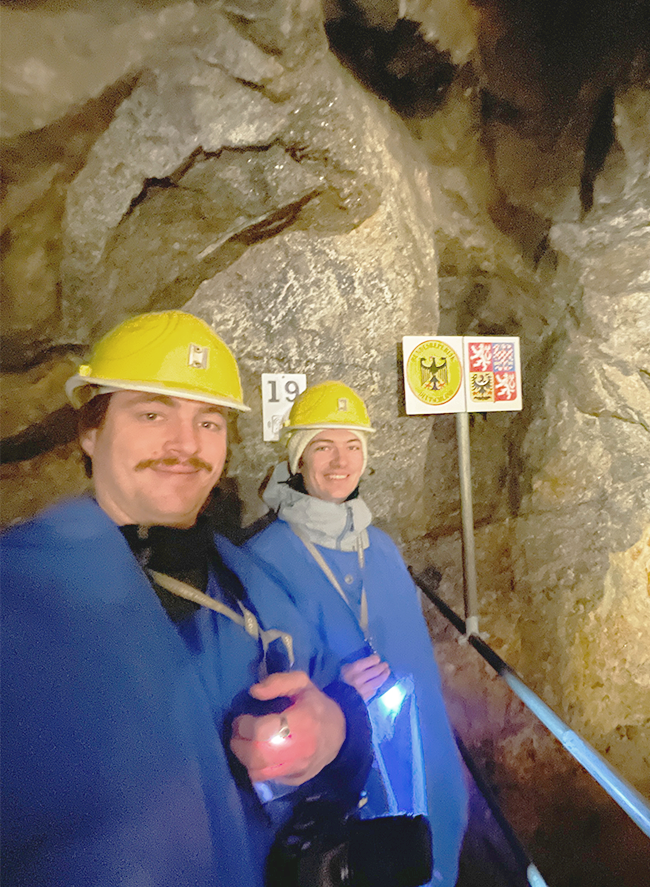
This project explores spatial, social and ecological interventions of resistance and survival in response to green extractivism in the Eastern Ore Mountains in the context of two planned lithium mining projects underneath the twin villages of Cínovec and Zinnwald, on the border between the Czech Republic and Germany. As a strategic project under the EU Critical Raw Materials Act, the mining projects are set to begin operations in 2029, mining in 2033, while local populations have taken strong opposition to the projects.
Surrounded by sensitive habitats and Natura 2000 protected ecosystems, the UNESCO mining villlages and surrounding more-than-human inhabitants are threatened by collapsed aquifers, unstable ground, pollution and economic uncertainty.
Within this multifaceted dilemma of political, economic, ecological and social agendas, livelihoods, and powers, the project’s interventions explore the agencies of architecture as a tool resistance. By confronting the detrimental effects of the proposed mining activity, the project seeks to visualise, counter and re-narrate the spatial and territorial effects of green growth economics.
“The elders tell that the stones of this land bore such wealth of tin that a rock cast at a grazing cow was of greater worth than the beast it struck.”
The founding myth of the villages Cínovec and Zinnwald

To understand the agencies of architecture, design and planning, the project investigates the spatial and physical consequences of certain policies for the "Green Transition". The transformation of idndustries and economies following this politically supported shift, has severe spatial consequences in its Hinterlands. Lithium, rare earth minerals, etc. which are necessary for the production of batteries for electric vehicles, personal electronics and the digitalisation of industries, have thus become critical resources for this "sustainable" shift.
In response to a uncertain global situation across the supply chains the EU Critical Raw Materials Act designates strategically subsidized projects of mineral extraction and processing within the European Union. Many of these projects are sparking controversies within the territories that they are set to affect. The severe impacts of mining and extraction on the social-ecological environments create harsh clashes with the political intent to preserve biodiversity and a just transition into decarbonised capitalist industries.


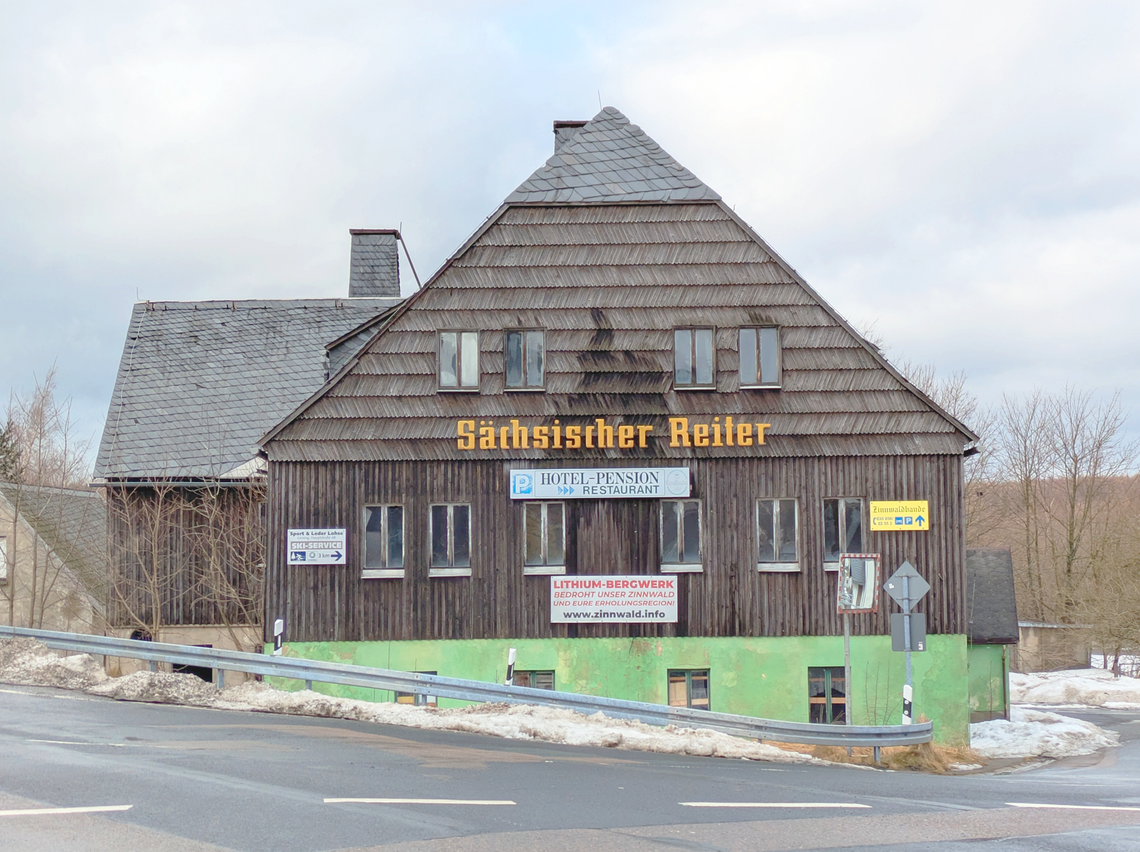
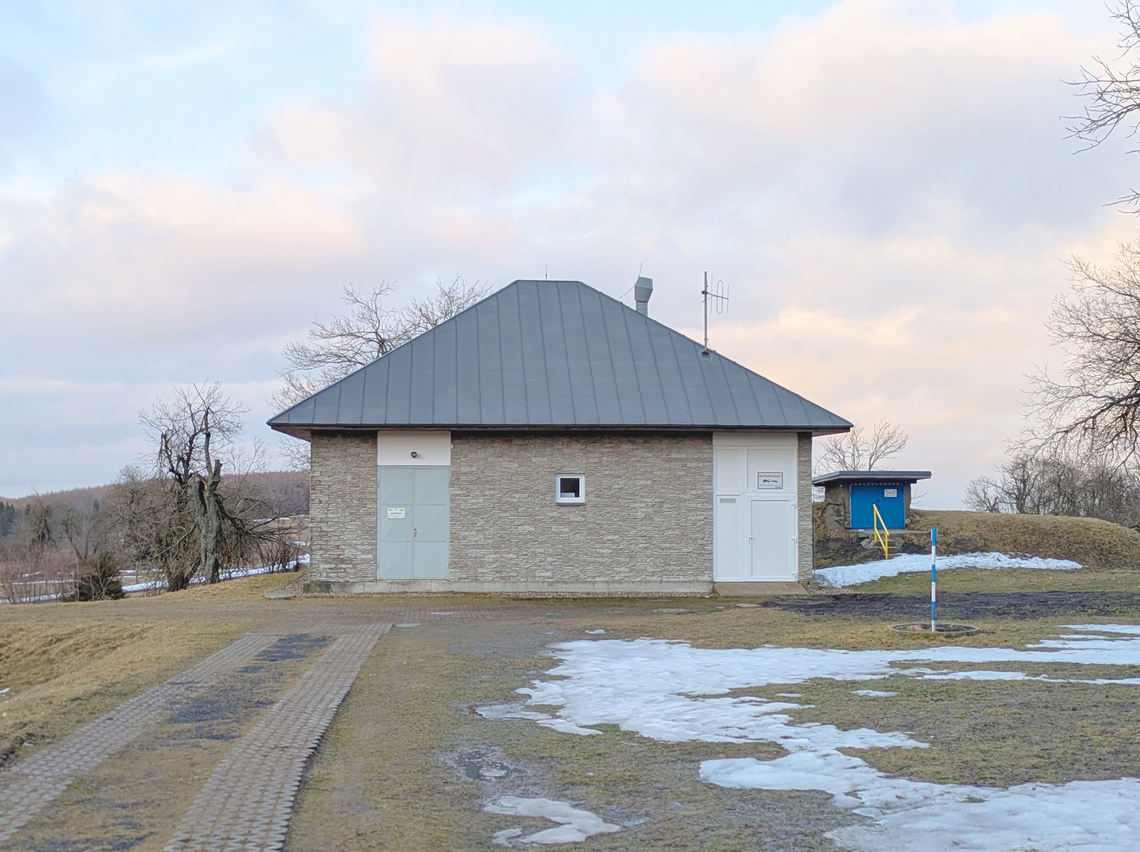
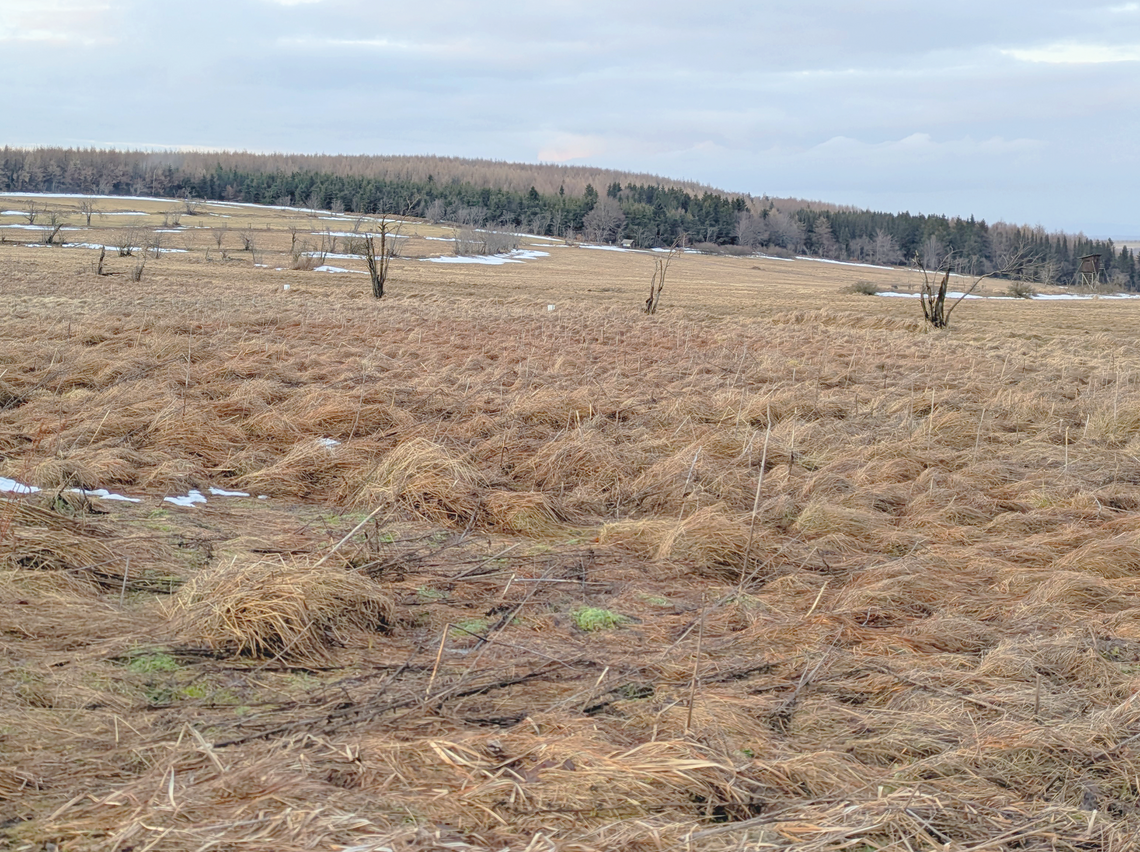
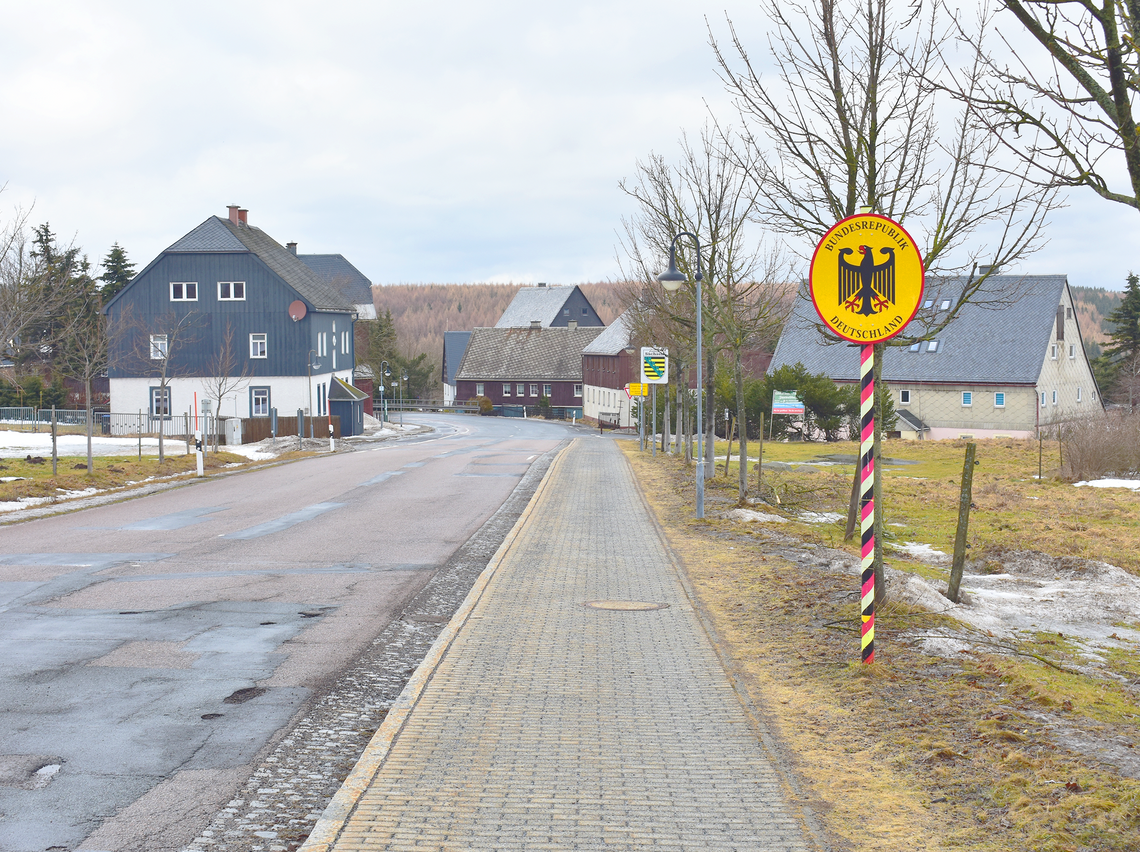
A new lithium mine project under the EU CRM Act is being planned in the village of Cínovec/Zinnwald, located at the border of Germany and Czechia. Rich mining history, now under UNESCO protection, plus highly valued peat bog landscape, including NATURA 2000 areas, are both representing opposing side of EU's directives and political aims contradictory to the mineral extraction.
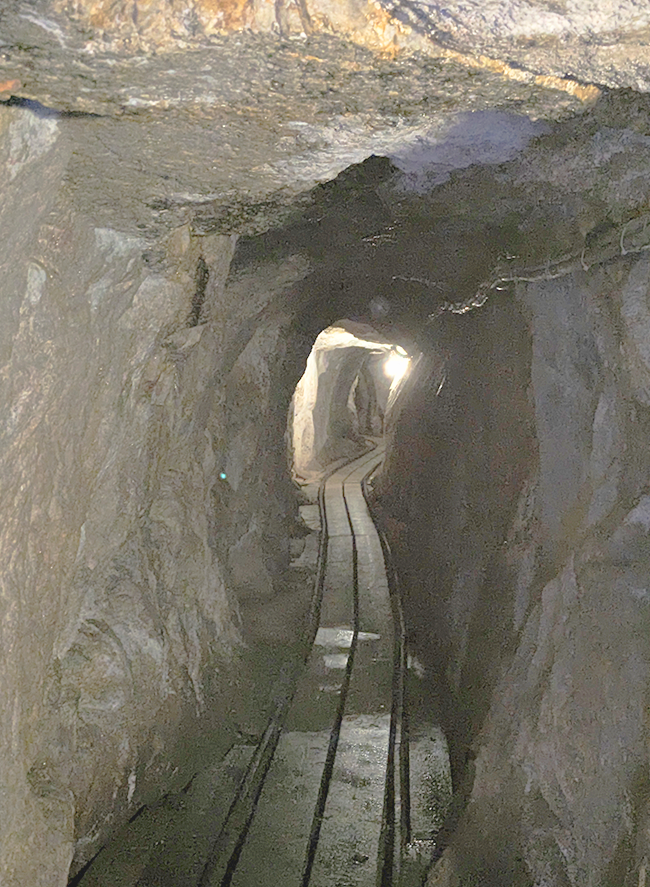
According to the EIA study, the mines will be established directly beneath already heavily undermined area, as the historical mine shafts are making local ground unstable even now. Eventually, this combination will lead into creation of sink-holes, sudden land-collapses and ground subsidence, threatening houses and infrastructure. Not only will the mining activity affect the local aquifer level, effectively damaging both human and more-than-human life on the surface. A drought caused by low groundwater level poses an extinction threat on local hydrophilic and water-dependend fauna and flora.
The direct negative impacts of lithium mines are creating tension among involved actors. On the Czech/German border, we can follow a rise of discontent and protests against the intention to literally undermine the village. Mining is yet to be started in 2033 with 4 years of prior preparation works

The Ore Mountains are a significant historical mining territory. As its name suggests, the mountain range has long been a source for mineral resources within Europe. The layered history of mining activity has fundamentally reconfigured and altered the conditions for life above and below the surface. Within the undermined landscape the new mining projects are expected to disrupt the new equilibrium within the landscape, that has formed since the closure of historical mines.
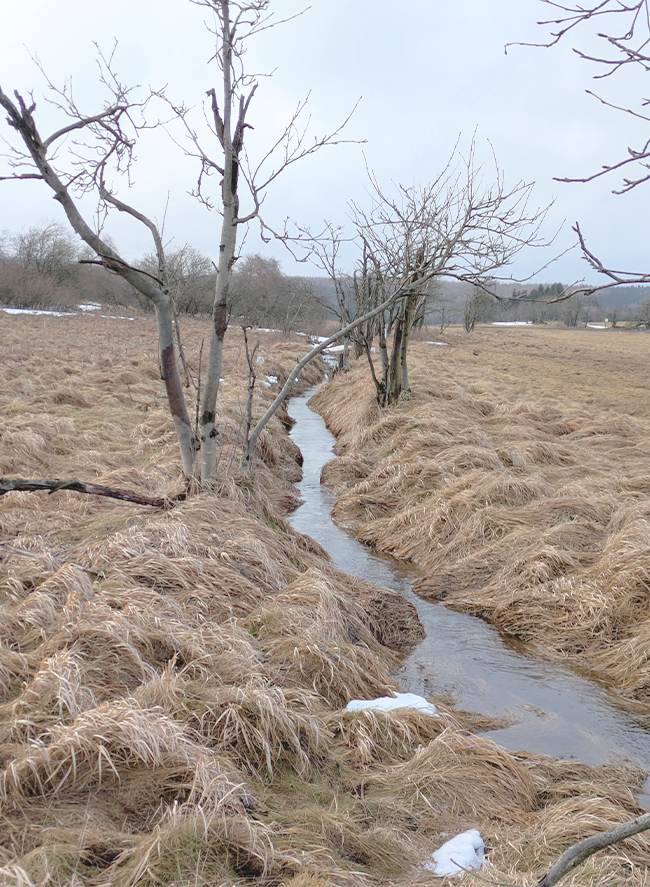
The disruption of the geological, hydrological and natural environment is expected to endanger life within the territory, facing surface deformations, subsidence and sinkholes, lowering of the ground water table due to the intrusion and pumping of ground water into new and old mines and subsequent effects on the village cores and adjacent sensitive wetland habitats.
Layers of the Geological and Extraction Constellation


Map Layers - Mining Effects


Facing systemic or political problematics, this project explores architecture and design as an ally of resistance, aas mediator of information, material and immaterial processes facing the territory.


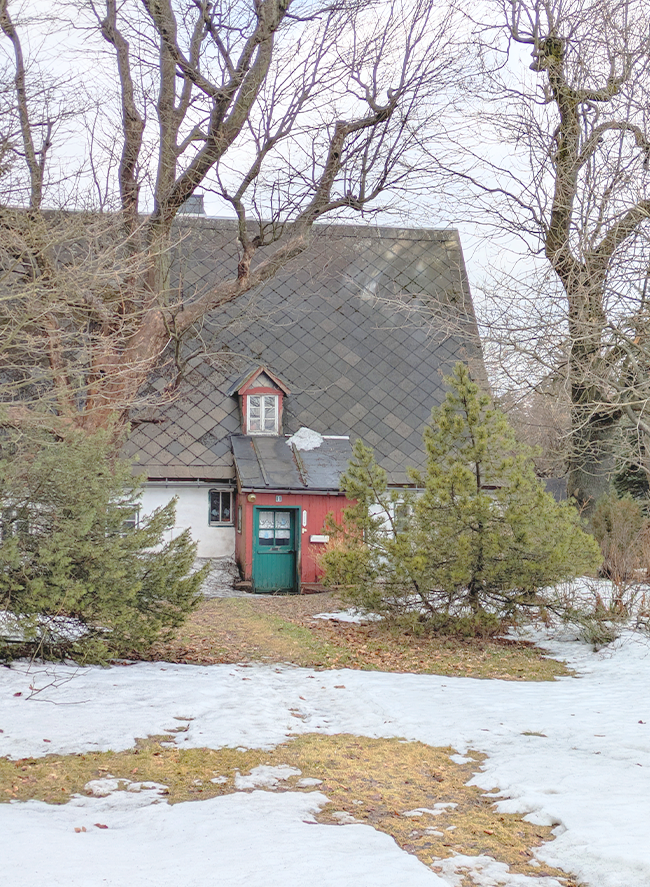
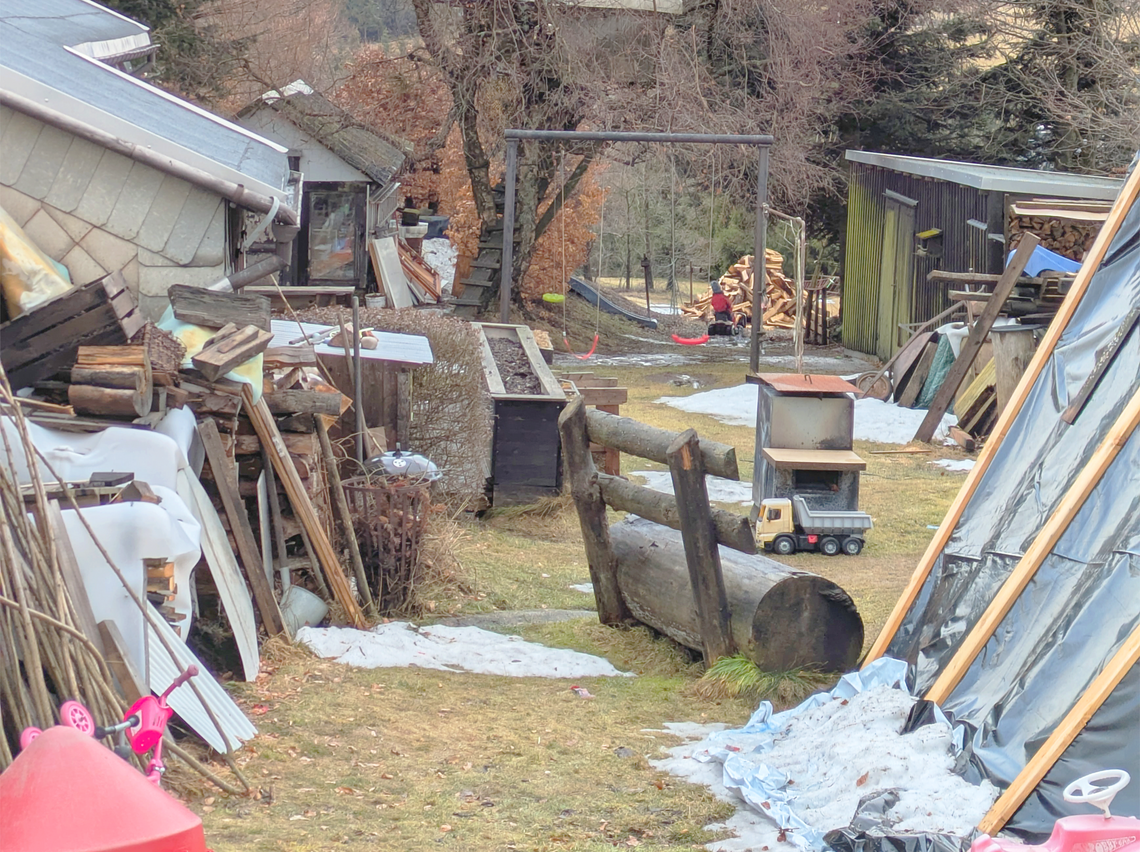
The surface deformations and subsidence effects following the collapse of underground mineshafts are expected to occur largely within the cores of the two villages. The existing village populations are supported by targeted interventions according to the severity of subsidence and sinkhole risk, and the program, typology and status of the inhabited buildings or landscapes. The interventions seek to challenge heritage practice by confronting the future viewers of these interventions with more than a positivistic embracing of mining heritage. the social-cultural harm caused by the extraction of lithium is foregrounded by the architecture and reconfigured into interventions that serve as repair and structural reinforcement and furthermore narrate the origin of their necessity by contrasting with the existing.


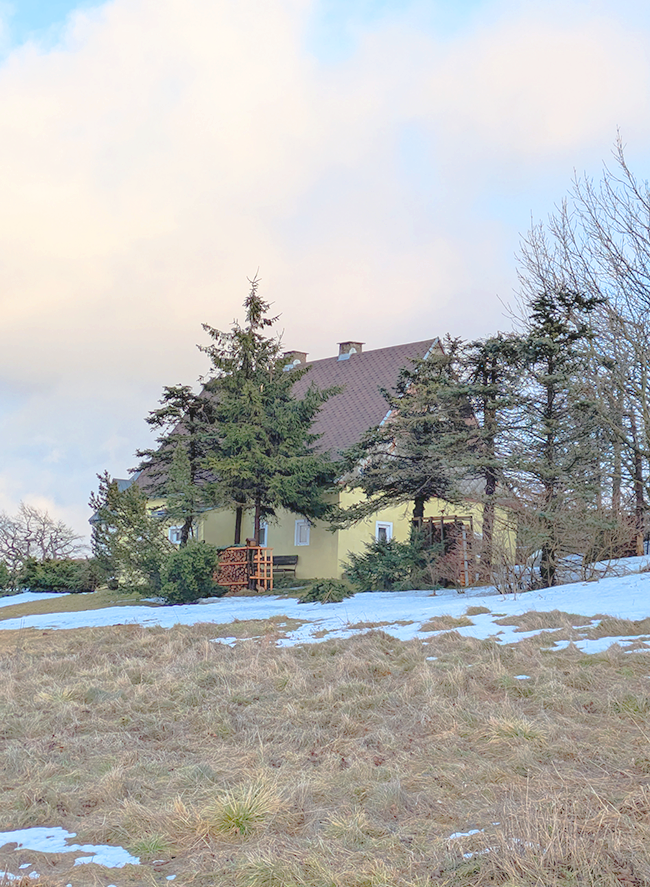
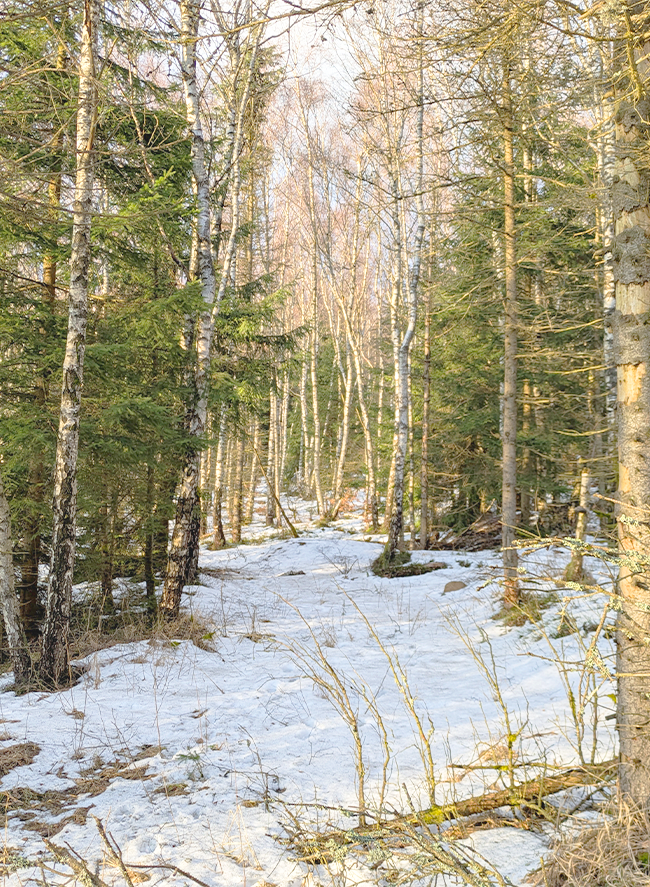
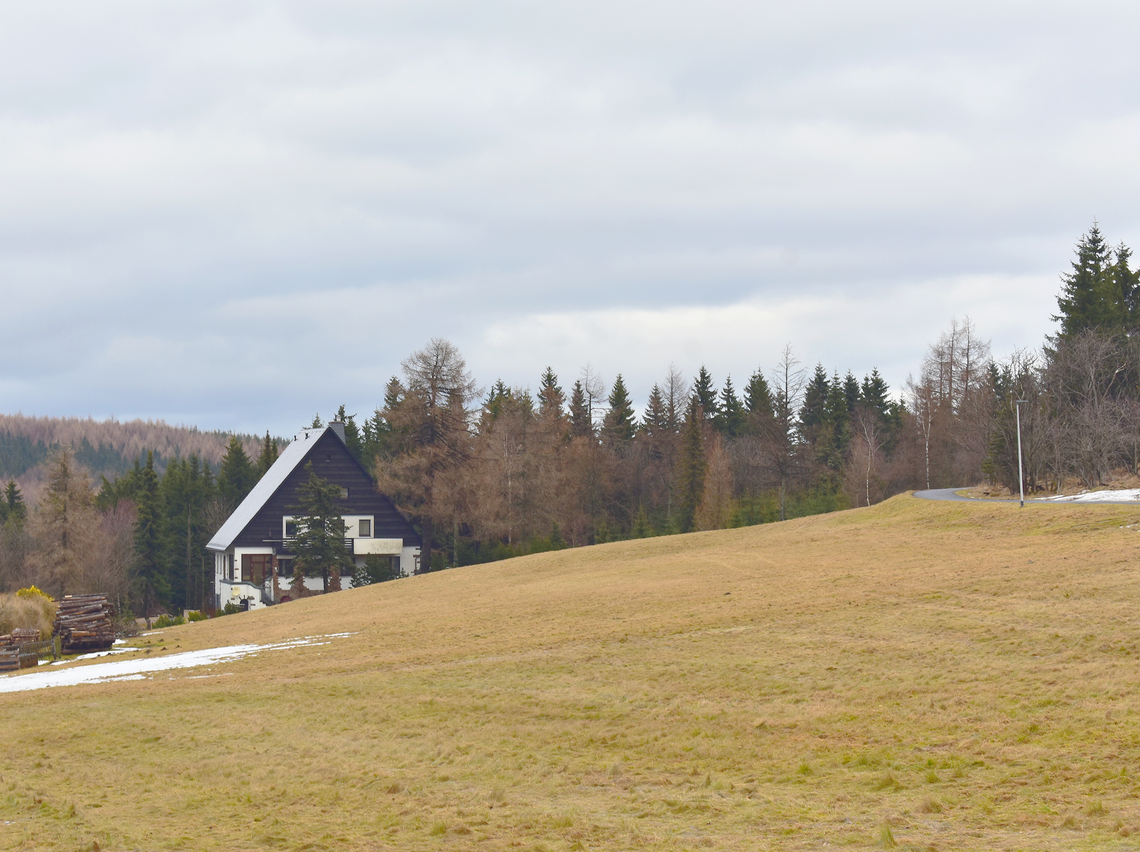
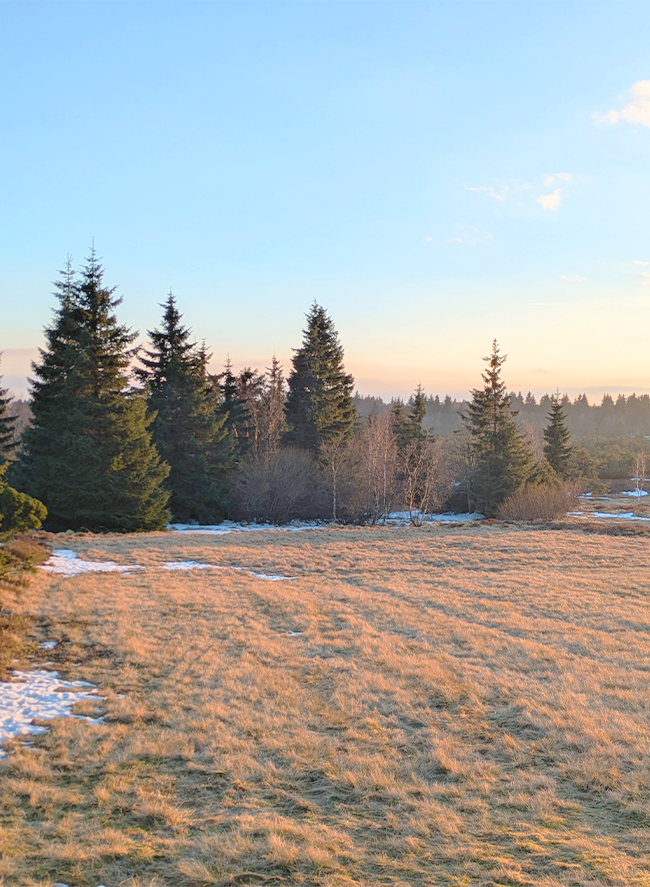
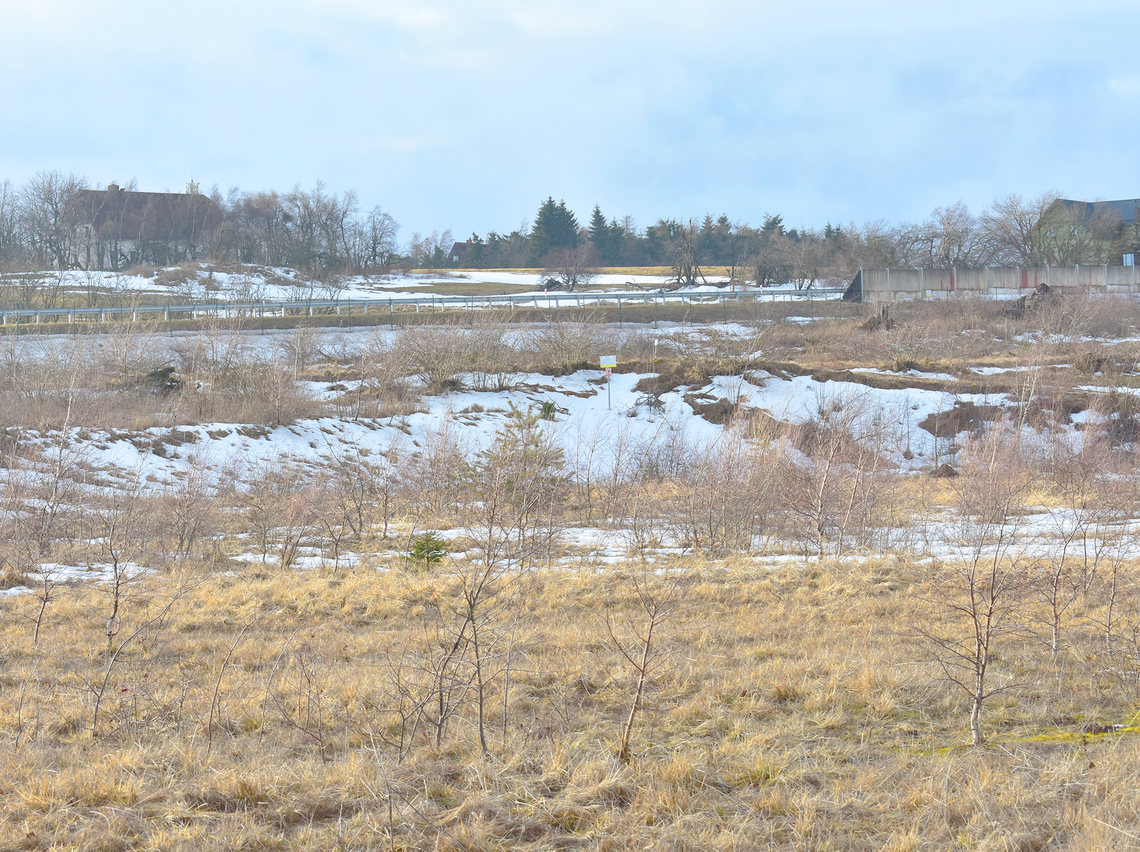
The sparsely populated outskirts of Cínovec and Zinnwald are characterised by the proximities between isolated individual houses sheltered by rows of trees, vast open mountain meadows, heavily protected peat bogs and the fringes of the forest edge spanning the majority of the Ore Mountains. The cultural landscape that has emerged following historical mining is threatened by the expected lowering of ground water levels. The existing wet landscape as well asthe local water supplies for human consumption are supported by interventions ranging from landscape to architectural, to behavioral scales, reconfiguring the flows of water above and below the surface.