A

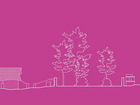
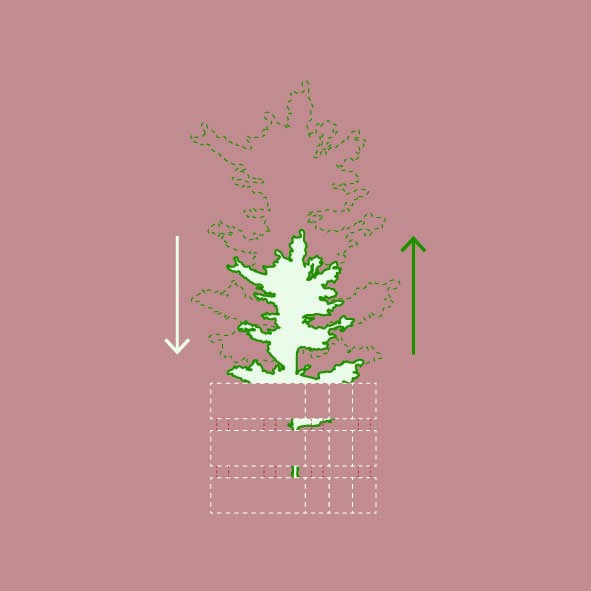
In response to growing inequalities between rural and urban, this project reimagines the role of rurality through Horslunde, a village on Lolland. By preserving, subtracting and rearranging materials the project transforms vacancy into new rural landscapes that facilitate meaningful village life, habitats for other species and transactions between urban and rural.
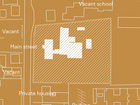
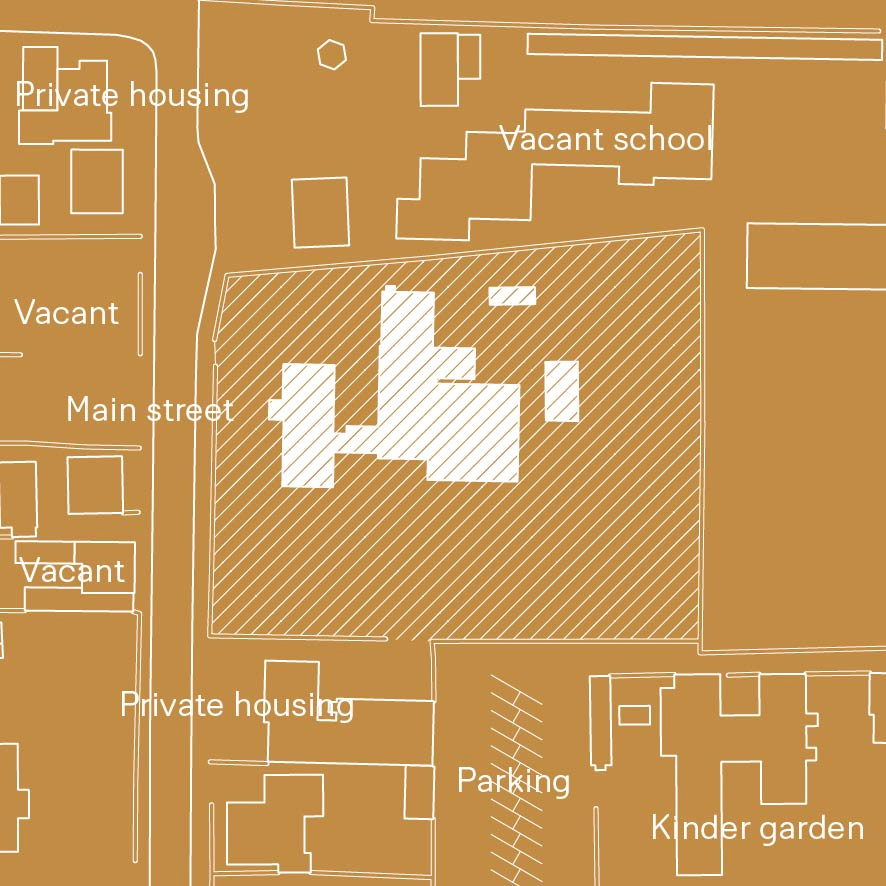
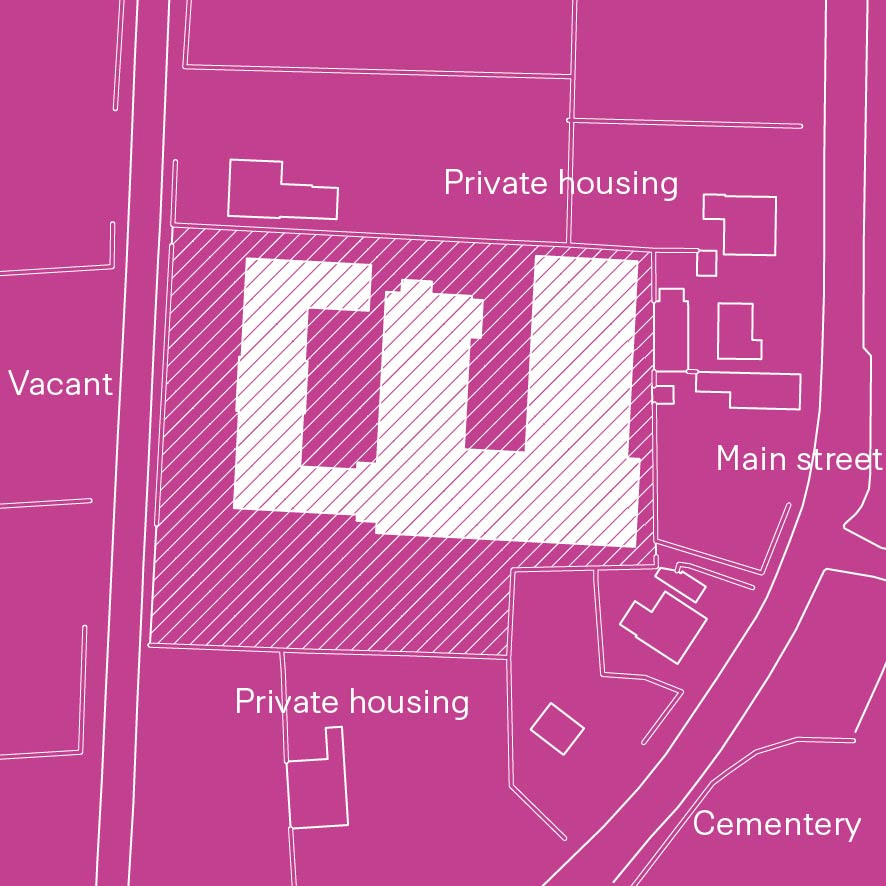
Horslunde is a small village on the northern edge of Lolland. Like many rural communities across Denmark, it is shaped by a quiet but persistent movement: people leaving, institutions closing, buildings standing empty. What was once a lively local centre with schools, a train station and municipal functions is today marked by vacant houses and demolition sites.
Yet within this condition of decline lies another story. Horslunde is approached not as a place waiting to be rescued through growth, but as a place that can reveal alternative ways of living with transformation, loss and change. Instead of treating depopulation as a failure to overcome, shrinking villages can become spaces for new relationships between people, materials and nature.
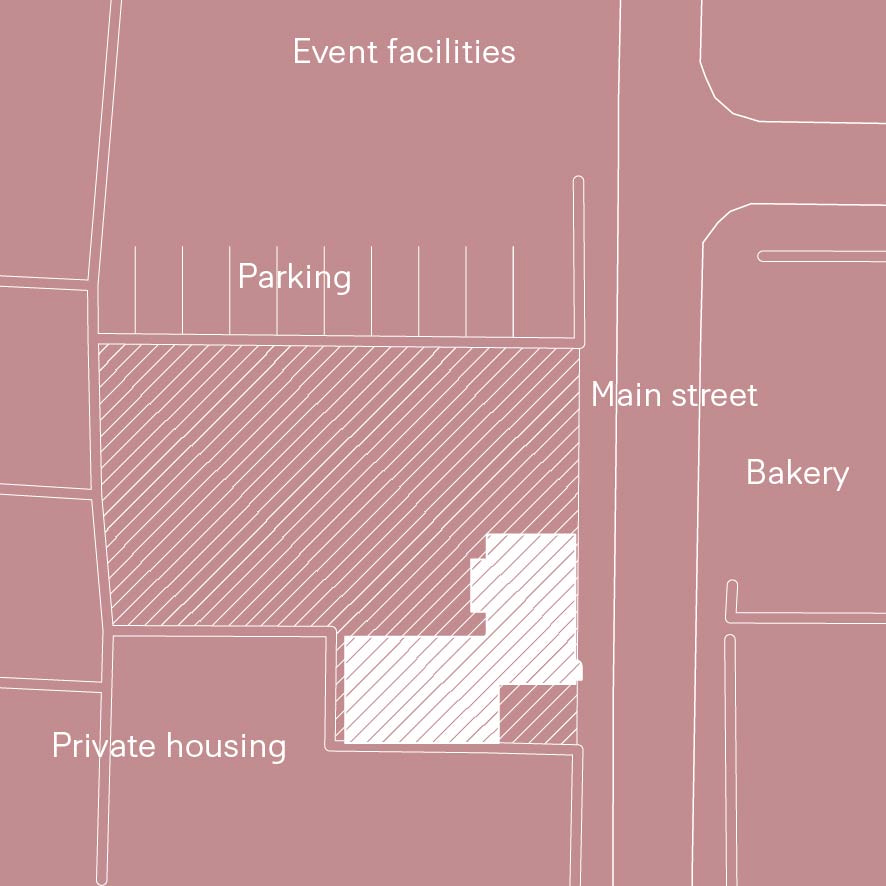
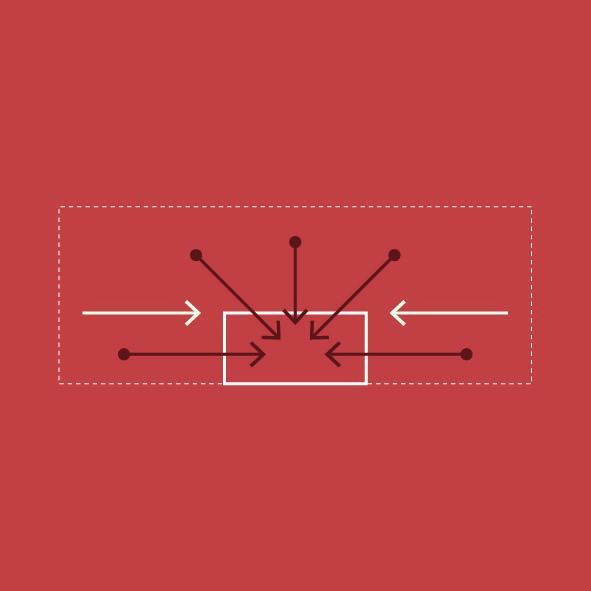
Across Horslunde, traces of demolition are already visible. Houses disappear one by one along the main street, public buildings close, and empty plots emerge between inhabited homes. These voids are often understood as signs of neglect - spaces without value or purpose. But what if they were seen differently and treated as a resource rather than a residue. The growing emptiness of villages like Horslunde stands in sharp contrast to the rapid development of Denmark’s larger cities. As rural areas lose inhabitants, urban centres continue to expand through housing, infrastructure and construction that demand enormous quantities of virgin materials. In Horslunde, a growing material surplus exists side by side with urban scarcity and construction pressure. Depopulating villages could therefore be understood as part of a larger material ecology and as active contributors to a more circular future.
Despite depopulation, Horslunde still holds strong social structures. Local associations, shared initiatives and everyday meeting places continue to sustain village life through the efforts of dedicated residents. Rather than introducing entirely new programmes or places, transformation can build upon the qualities and activities already rooted in the village and strengthen the social life that continues to exist. At the same time, the changing village opens up new possibilities for nature. The edges of Horslunde are dominated by agriculture, while many empty plots within the village remain inaccessible non-spaces, neither truly urban nor ecological. Instead of remaining vacant leftovers, these spaces could become part of a new rural landscape where nature moves back into the village. Not as decoration, but as an active participant in everyday life, creating habitats for other species alongside spaces for human activity and community.
Horslunde reveals the potential of a landscape and village in transition. Through demolition, material reuse, social life and rewilding, the village becomes a way of questioning how rural futures might be shaped differently. What happens when buildings are carefully dismantled rather than simply removed? Could materials from shrinking villages support the growth of expanding cities? And how might spaces left behind create new forms of coexistence between people, nature and local communities?


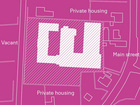
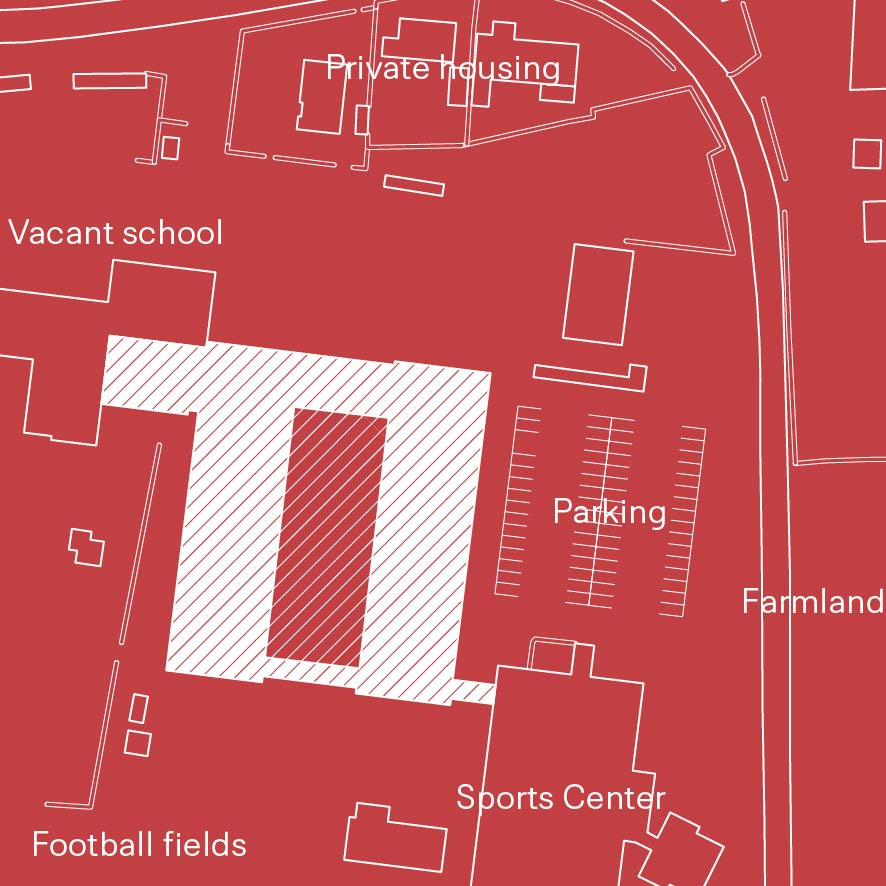
For decades, Hovedgade 18 was a place where animals arrived as meat. Pork chops, sausages, ham and lamb shanks were carried out the door and into waiting cars. The butcher decided what was fit for consumption; nature remained outside.
Now the building is gone.
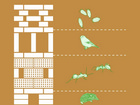
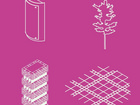
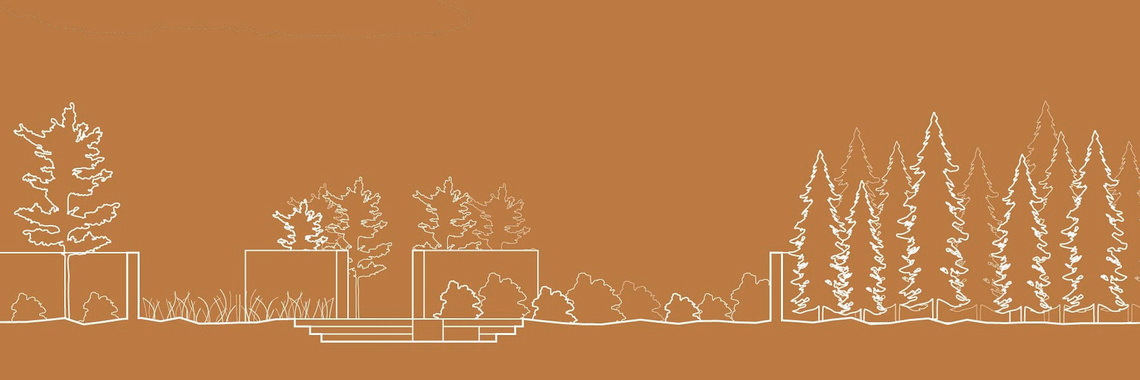
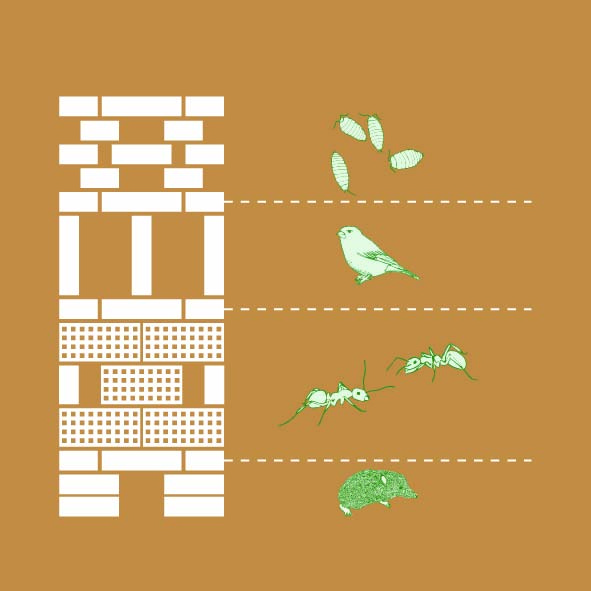
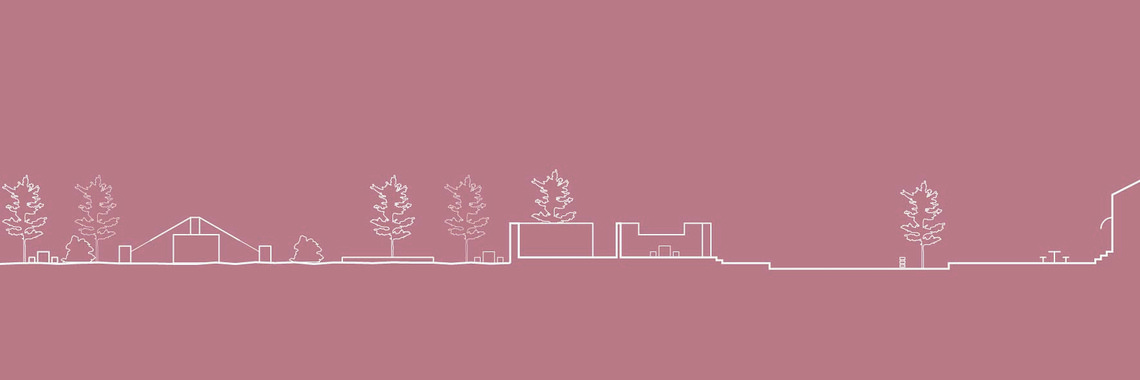
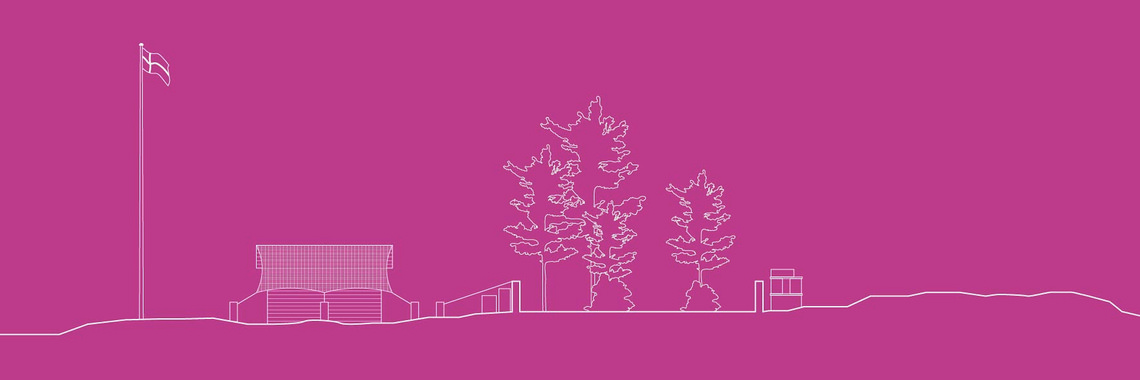
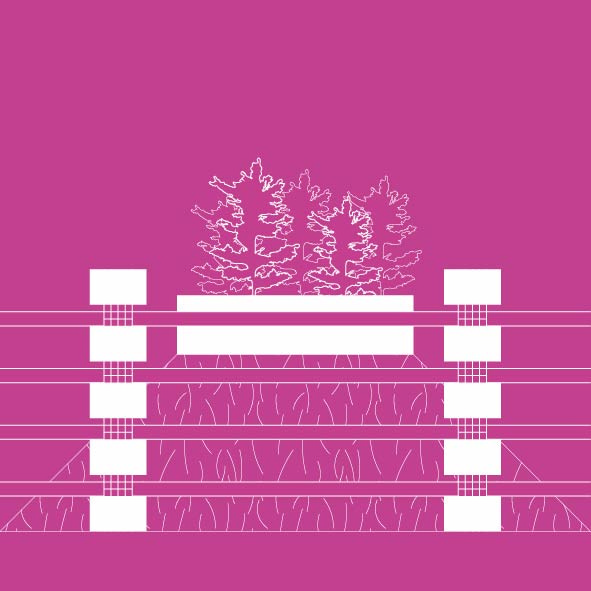
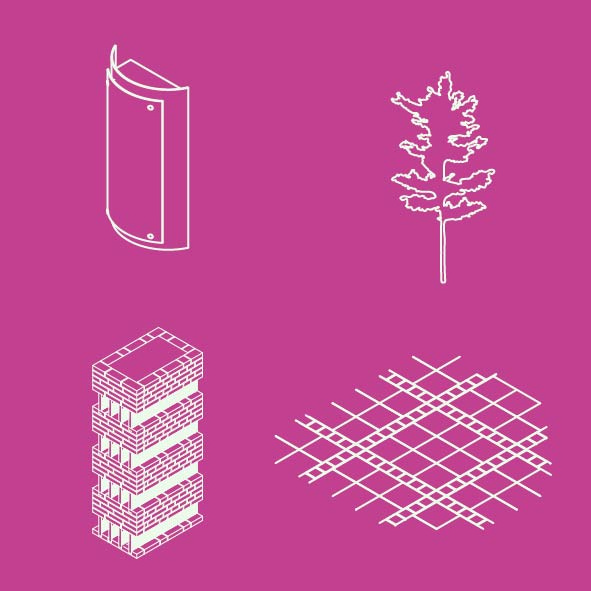
In its place, six towering totem-like columns rise from the overgrown site, built from bricks reclaimed from the demolished slaughterhouse. Stacked loosely, the structures create small habitats for insects to nest and shelter within, while also functioning as feeding towers that attract birds and small animals back to the site.
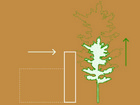
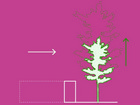
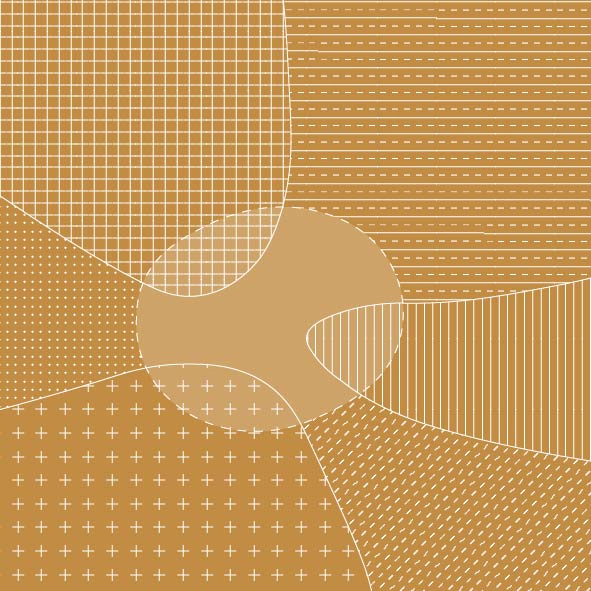
Between the columns, narrow paths of crushed brick lead through a mosaic of shifting biotopes: damp birch groves, dry pine forest, patches of open grassland and wet soil overtaken by fungi, moss and rotting wood. The air smells of spruce, mud and decay. Children from the nearby kindergarten wander through the landscape in rubber boots, poking at earthworms in the mud and turning over fallen branches alive with insects. Above them, a red kite circles slowly in the sky, drawn to the varied mosaic of open grassland, dense groves and wet terrain that now forms ideal hunting grounds. Along the edge of the pine forest, hidden among the branches, the bird tears apart its prey.
Death is no longer concealed behind walls and stainless-steel counters. Here, it unfolds openly as part of the landscape itself. The animals have reclaimed the ground, and the ruins of the building have become part of a new cycle of feeding, nesting, hunting and decay.


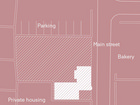
Berrit and Torben have made the drive from Nakskov to Horslunde countless times before. For years, they parked directly in front of the bakery on Hovedgade 15, picked up their bread and pastries, and left again. But today is different.
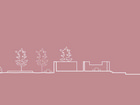
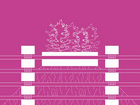
Instead of stopping by the roadside, Torben parks near the assembly hall and they continue on foot through the new garden landscape opposite the bakery. The path winds through flowering shrubs and apple trees heavy with fruit. The scent of blossoms, sweet apples and baked bread drifts through the garden. Beneath their feet, crushed bricks from the demolished house opposite the bakery crack softly with each step they take. As they move through the garden, the bakery slowly reveals itself between the trees. Reaching the end of the path, they cross the road on foot and step inside the bakery.
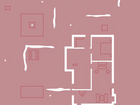
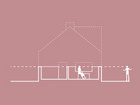
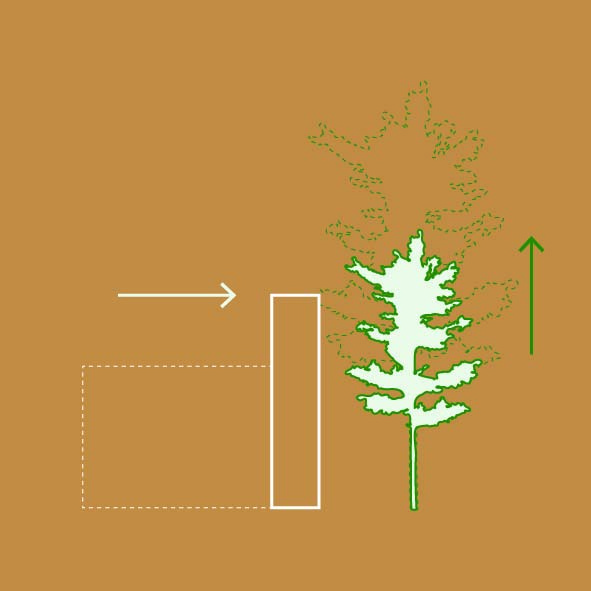
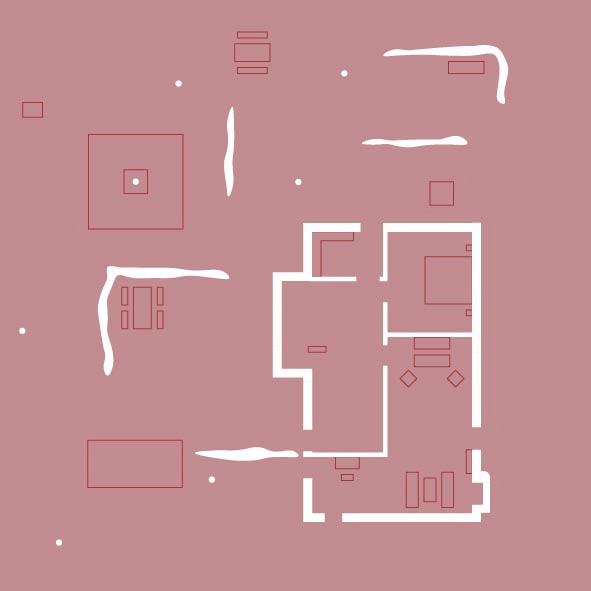
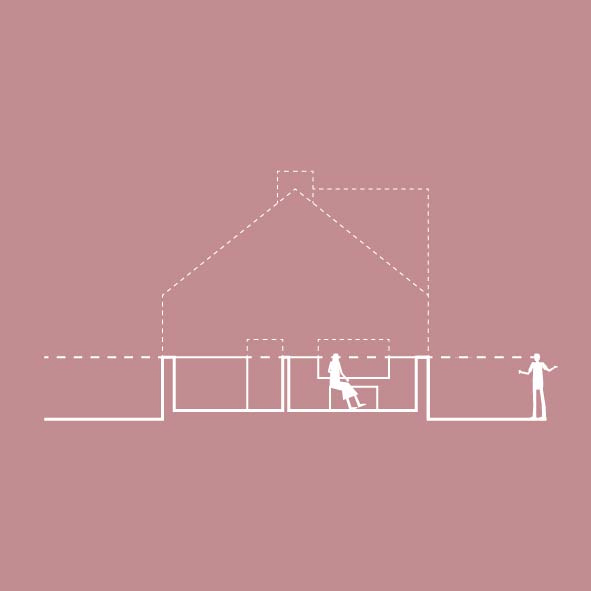
They order the usual: two black coffees with cream and sugar, and a pastry to share. But instead of returning to the car, they carry their coffee and pastry across the street and into what once stood as the abandoned house. Only fragments of the original structure remain. Walls have been cut down to eye level, creating intimate rooms open to the sky yet hidden from the road. Materials from the former house have been reused throughout the space: floorboards transformed into furniture, concrete blocks arranged into seating, old window frames turned into cabinets.
Here, among familiar materials given new purpose, Berrit and Torben settle into conversation about the week that has passed and the quiet life still unfolding in Horslunde.


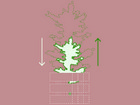
More than twenty years ago, Klaus installed new lamps in the nursing home on H.C. Skottesvej 4. He spent long days pulling cables through the corridors and exchanging small conversations with residents in the canteen while he worked. What he remembers most clearly is the garden at the center of the building. Hidden behind white brick walls, it was carefully maintained and filled with rare plants collected from distant parts of the world.
After the nursing home closed and stood abandoned for years, nature slowly took over. The once ordered garden became dense and overgrown, hidden behind collapsing roofs and decaying walls. Eventually, the buildings were dismantled but the garden remained.
Now Klaus passes by again during his evening walks, a screwdriver in one back pocket and his pipe in the other. Walls built from reclaimed bricks trace the footprint of the former nursing home, their tectonic pattern echoing the original facades. Outside the walls, goats graze beside neighboring horses, bringing the surrounding agricultural landscape back into the center of the village. Fences made from reclaimed gutters and brick keep the animals close, while their grazing holds the wild grass back, allowing the hidden garden to reappear as the heart of the site.
As dusk settles, the lamps slowly switch on. The very same lamps Klaus once installed inside the nursing home now illuminate the garden paths and walls. What was once hidden behind darkness and abandonment has become visible again. Klaus always stops for a moment to check the lights before continuing home. Some places only need care and attention before they begin to shine again.


“42 minutes until you reach your destination.” The GPS voice fills the car as Marie exits the E47 highway toward Horslunde. She rolls down the windows while yellow rapeseed fields rush past and Radio Sydhavsøerne hums softly through the speakers.
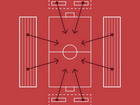
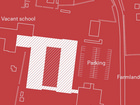
At Pederstrupvej 22, she slows over the speed bumps with the empty trailer behind her. Before parking, she hears shouting from the football field next to the reuse site. Horslunde IF is playing while locals gather along the stands, exchanging stories between cheers and whistles. It reminds Marie of her own childhood in the provinces, where community life unfolded around places exactly like this.
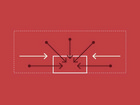
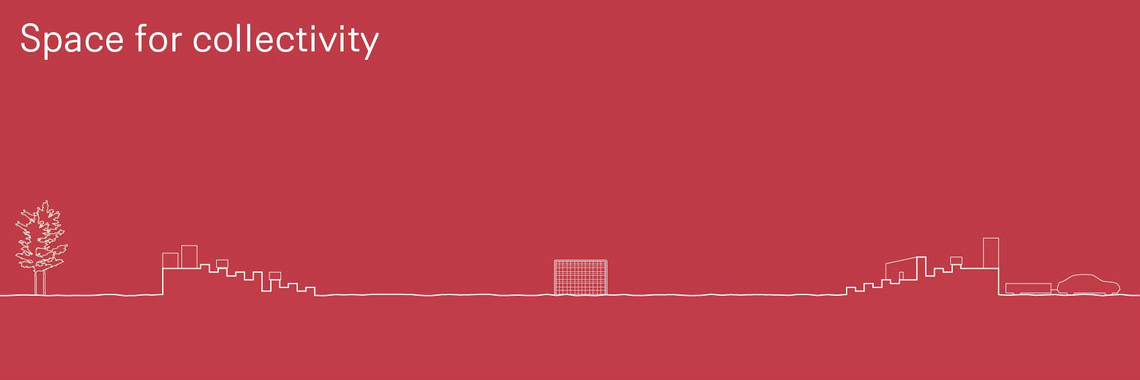
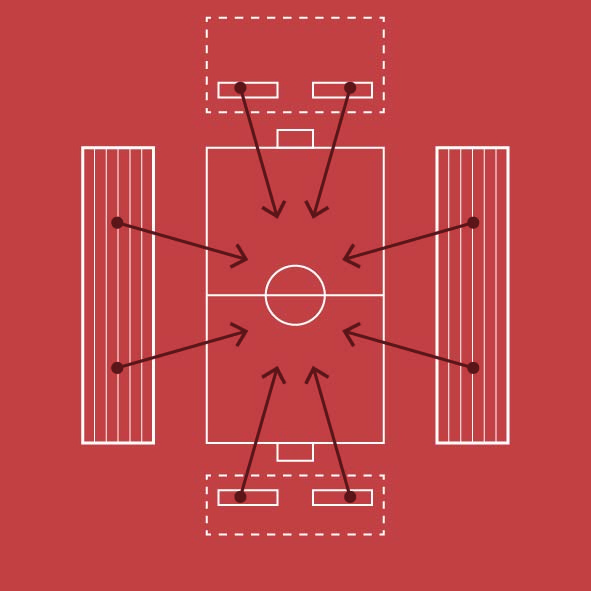
Now living in Copenhagen, Marie is chairman of her housing cooperative and has come to collect reclaimed windows for a shared greenhouse in their courtyard. Next to the field the stadium’s tribunes are built from concrete elements designed to be dismantled and reused elsewhere by private builders and construction companies. As Marie sorts through the stacked windows, a truck pulls in. Four men begin loading concrete elements from the tribune onto the truck bed. Between lifts, they pause to watch the match.
Three months later, Marie returns. The route is unchanged. The rapeseed fields still glow yellow beneath the blue sky. But when she arrives, the stadium next to the reuse site feels different. Parts of the tribune are gone. The remaining spectators now sit closer together, compressed into a smaller space.
Standing beside her trailer, Marie wonders where the materials belong most. In the growing city constantly rebuilding itself, or here, where they carried another kind of value. The referee blows for halftime as she loads another set of windows and begins the drive back to Copenhagen. Now the greenhouse in Copenhagen can finally be completed.