A

Amid housing and climate crises in Berlin, this thesis challenges our conventional understandings of physical repair (of buildings) and speaks to the additional need for social repair (of community) in the antidemolition movement. This speculative proposal for Habersaathstraße 40-48 asks how design can better facilitate both types of repair and support the self determination of tenants.
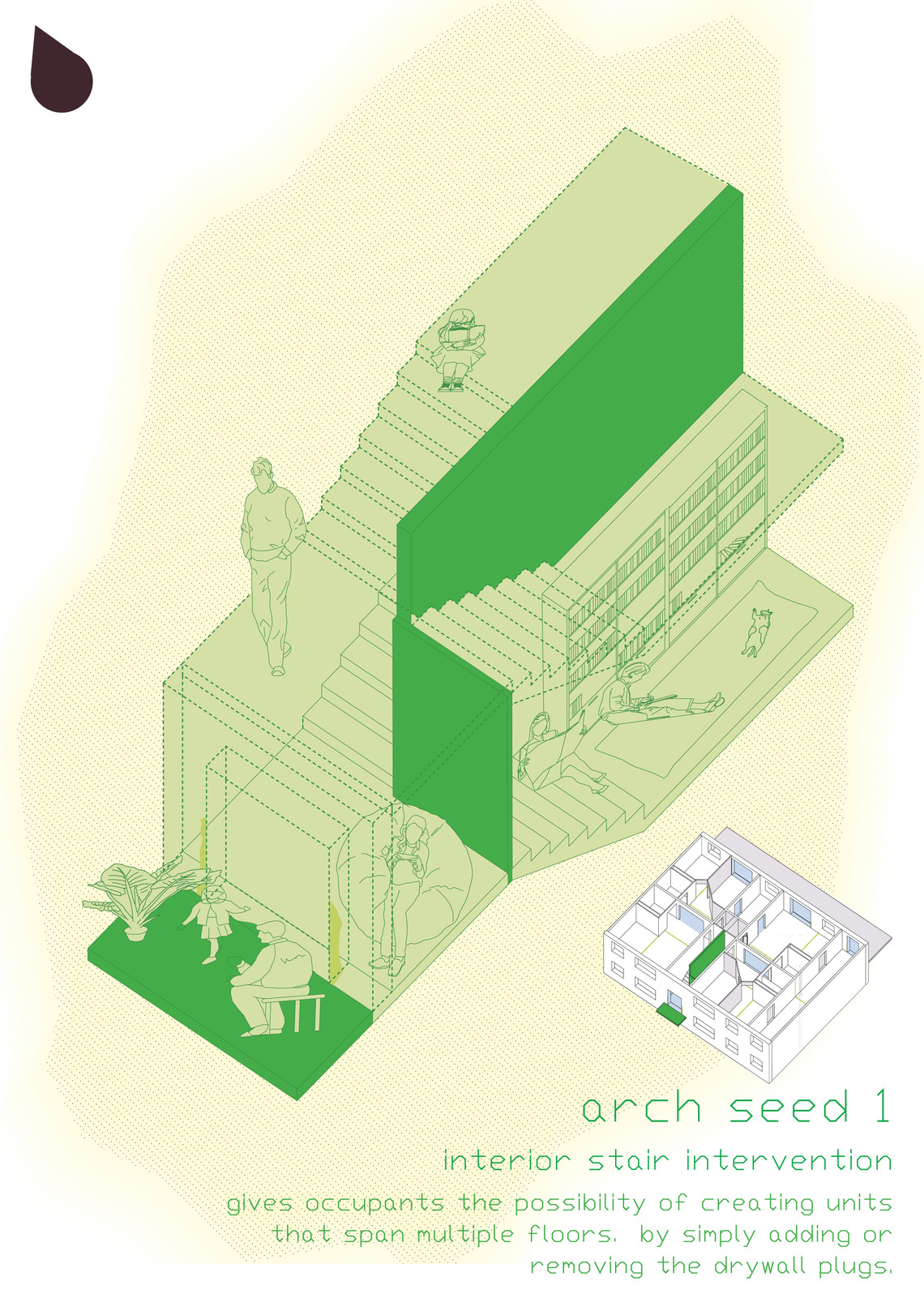
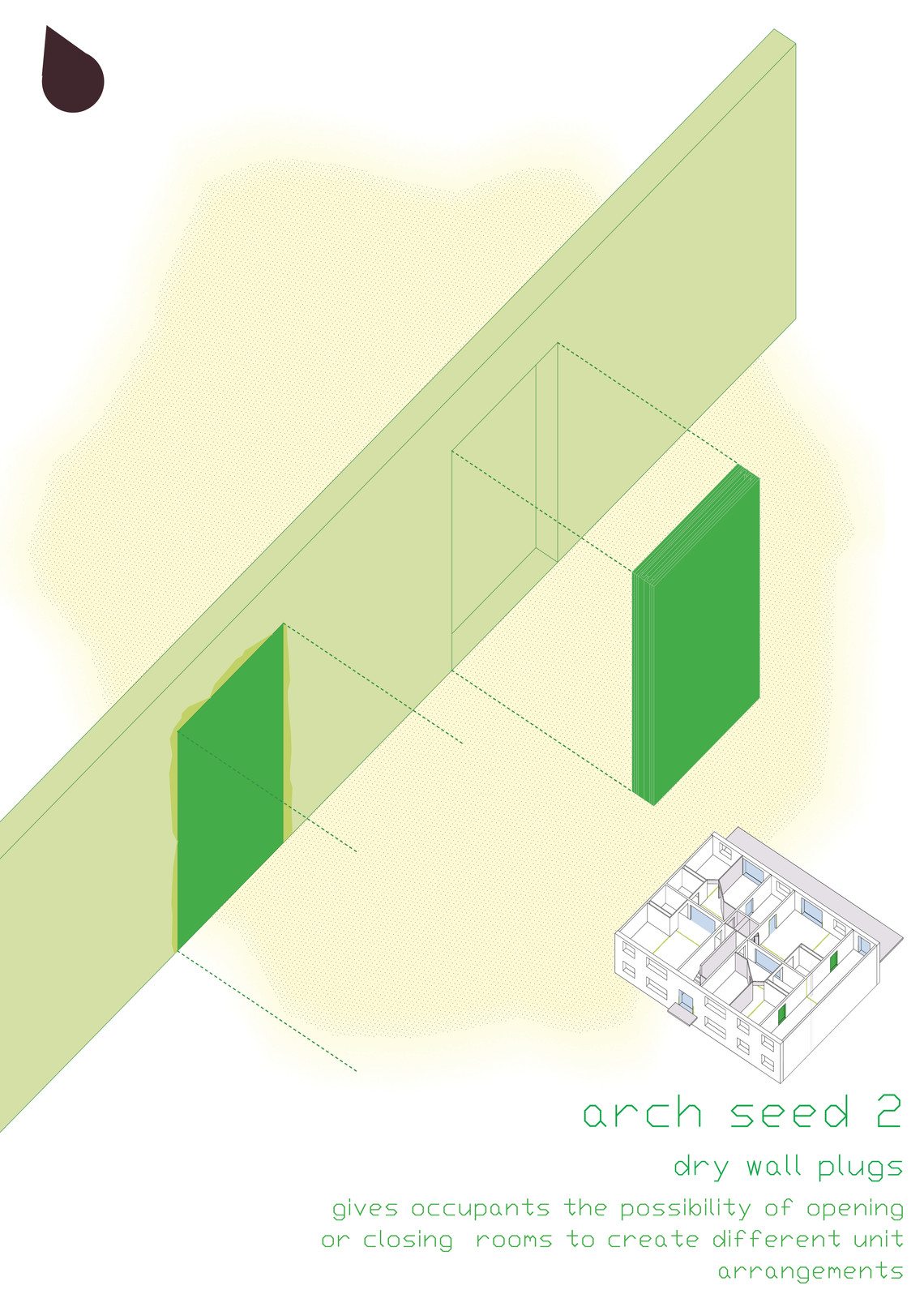
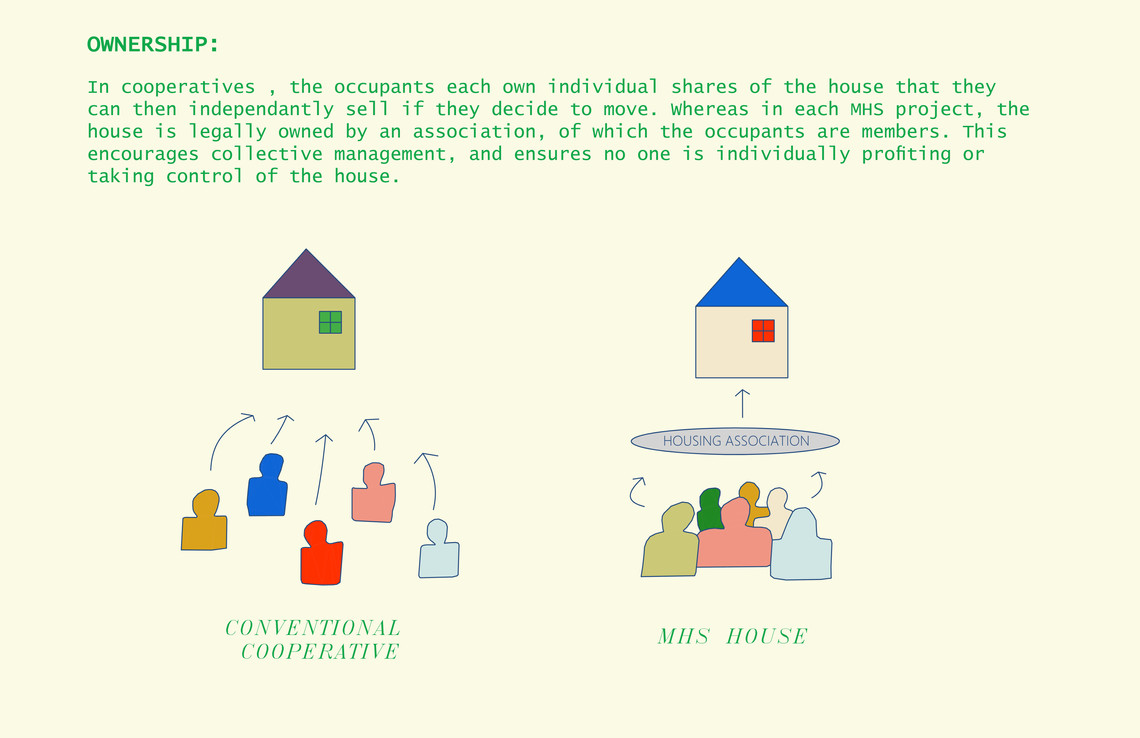
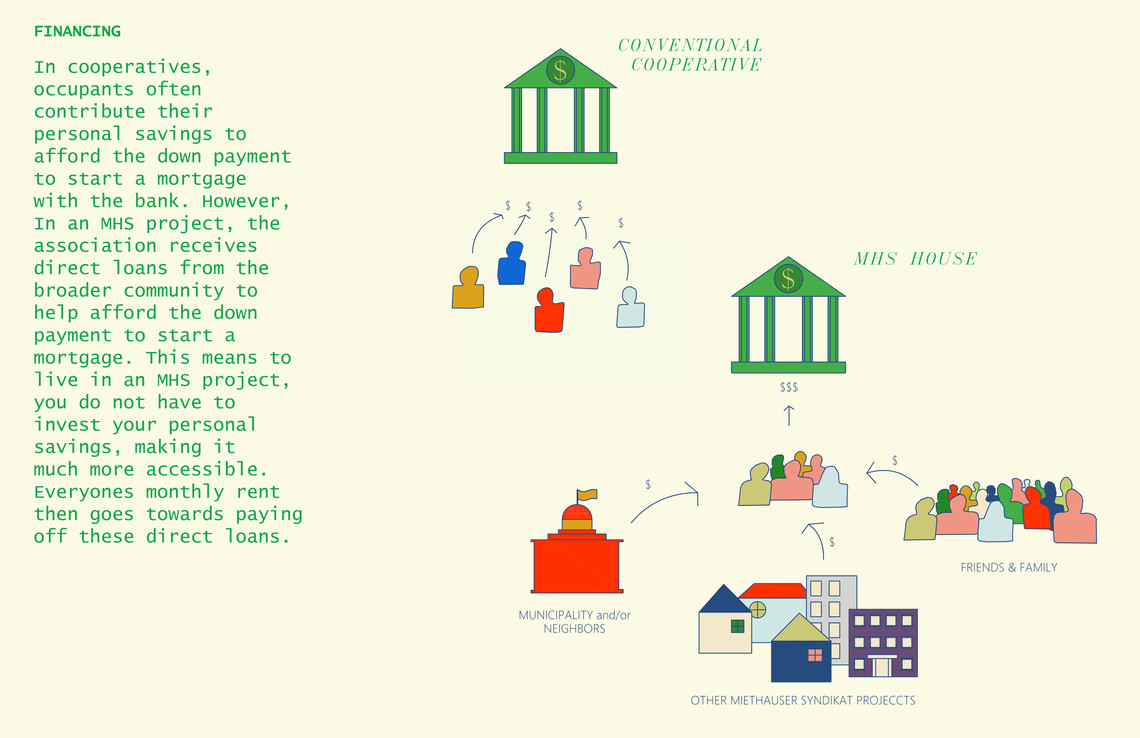
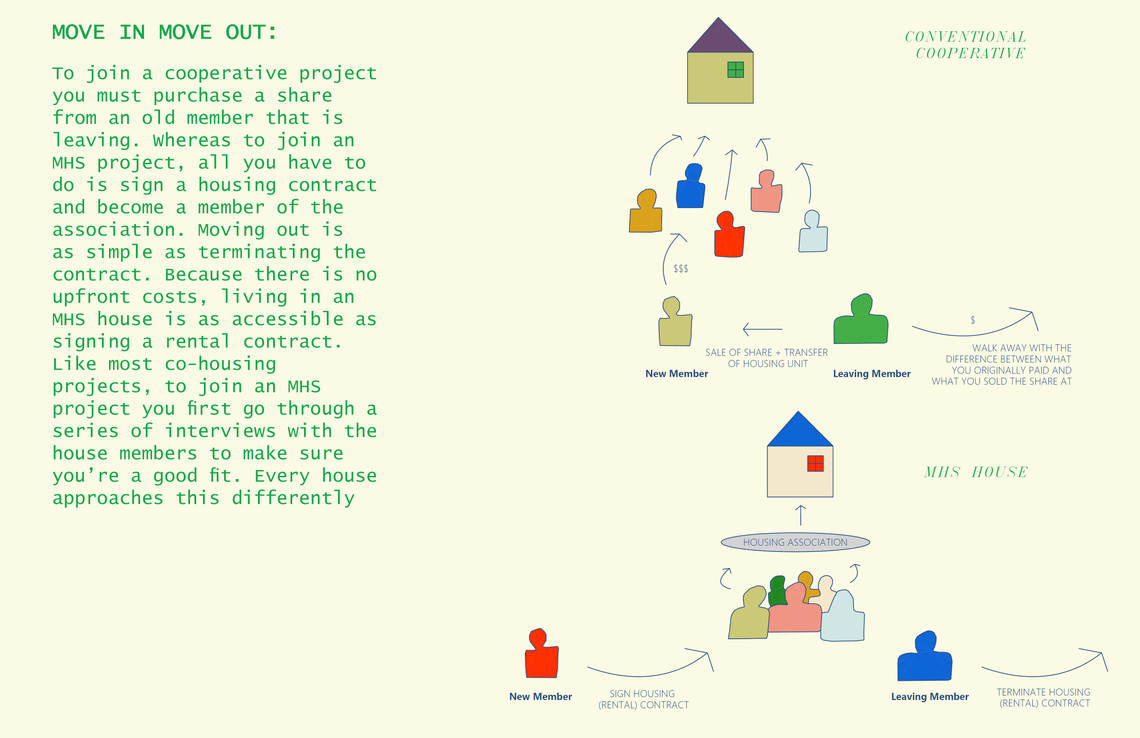
Learning from the existing collective ownership model, The Mietshäuser Syndikat (MHS), we explore the implications of self governance on the design of repair and maintenance. In this context, the traditional role of the architect comes into question. Instead of being the lead author of the building, we imagine a more humble role for the architect in the metaphor of planting seeds.
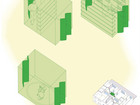
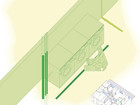
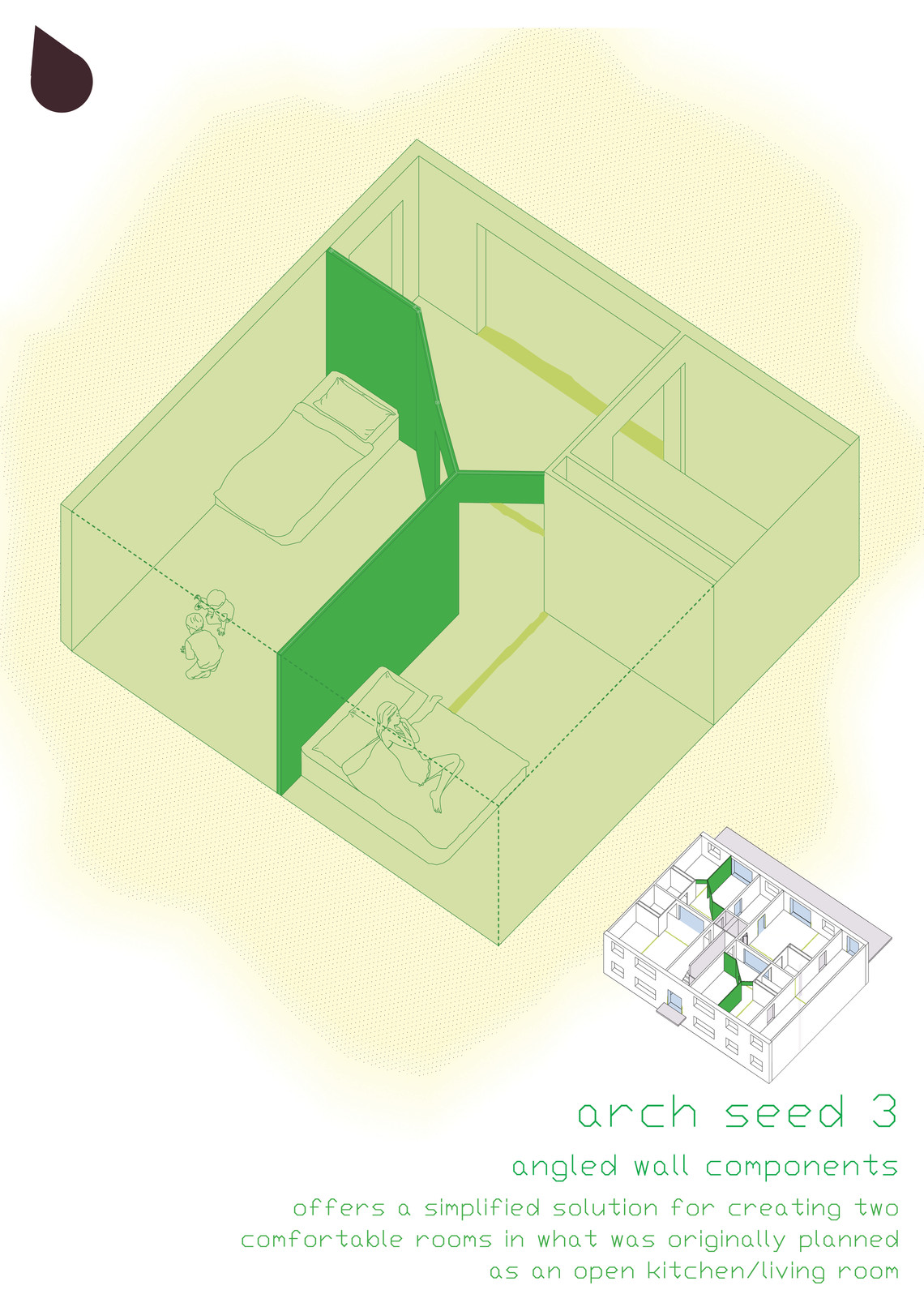
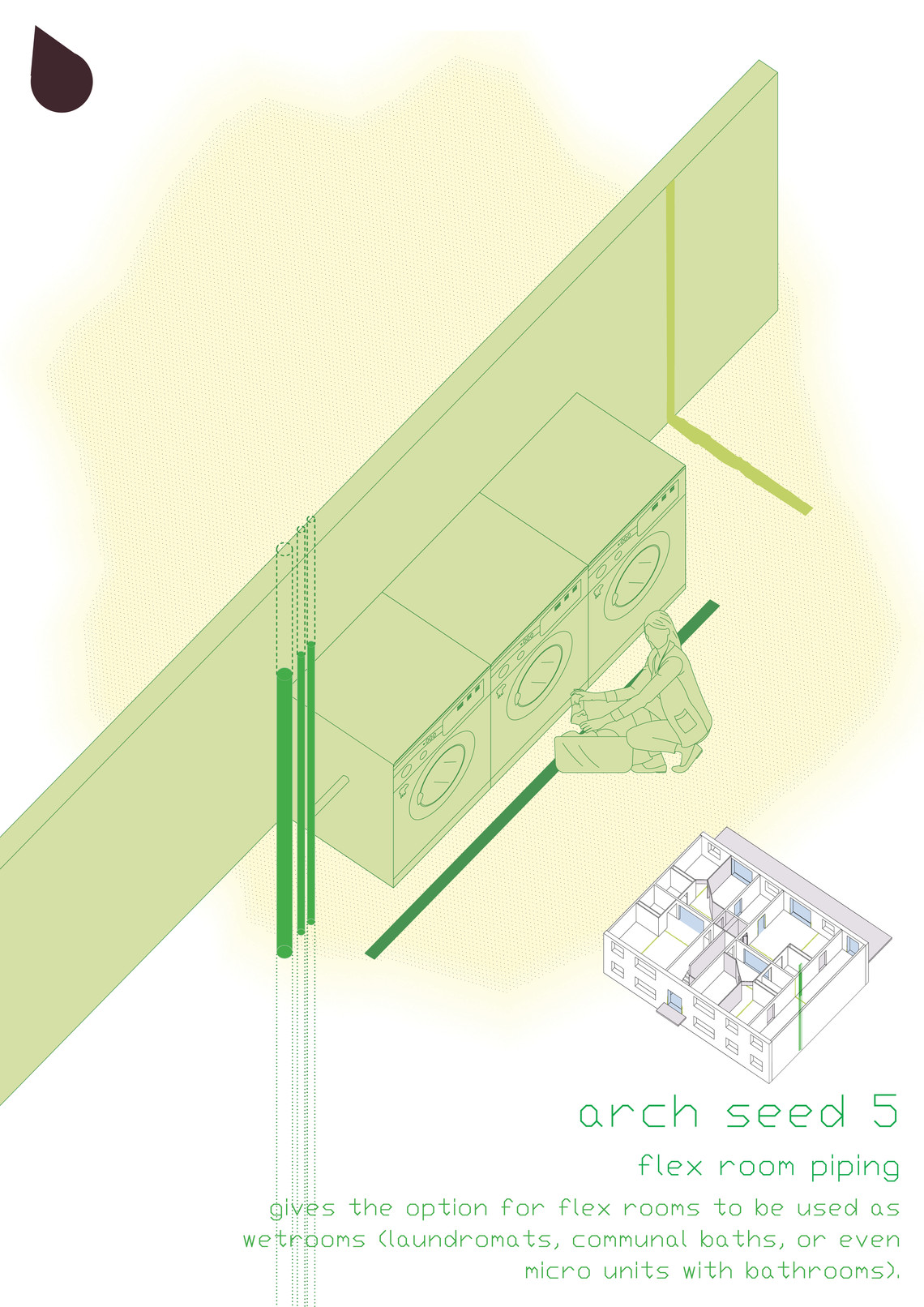
We see our proposal as a plug in to both the ownership context of the MHS, and the architectural context of the Plattenbau WBS70 typology: learning from what works well, and proposing some solutions to the pressure points we observed. Our goal is not to create a building or community from scratch but instead to connect and expand all these existing social and physical infrastructures.


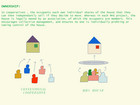
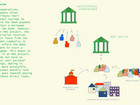
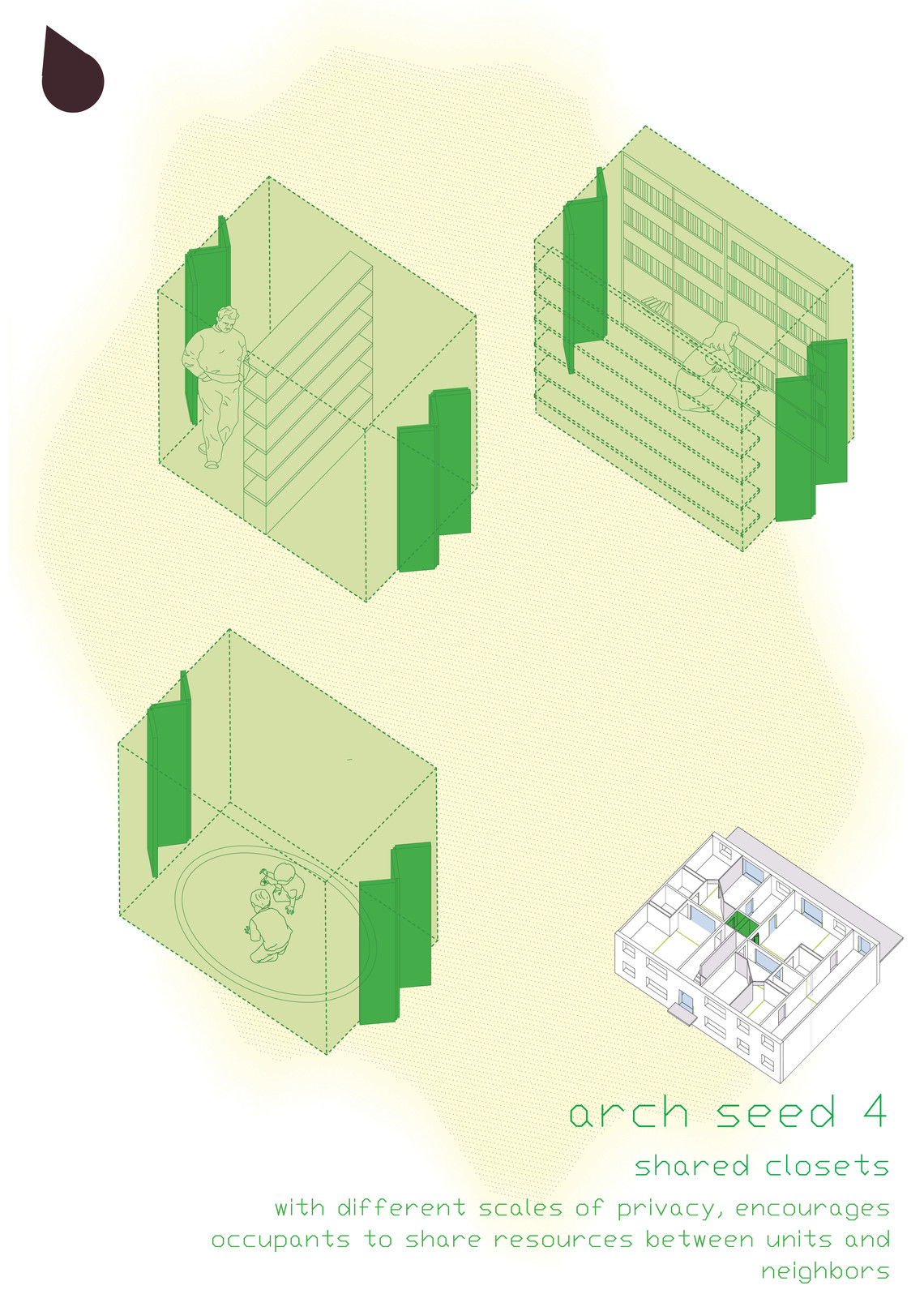
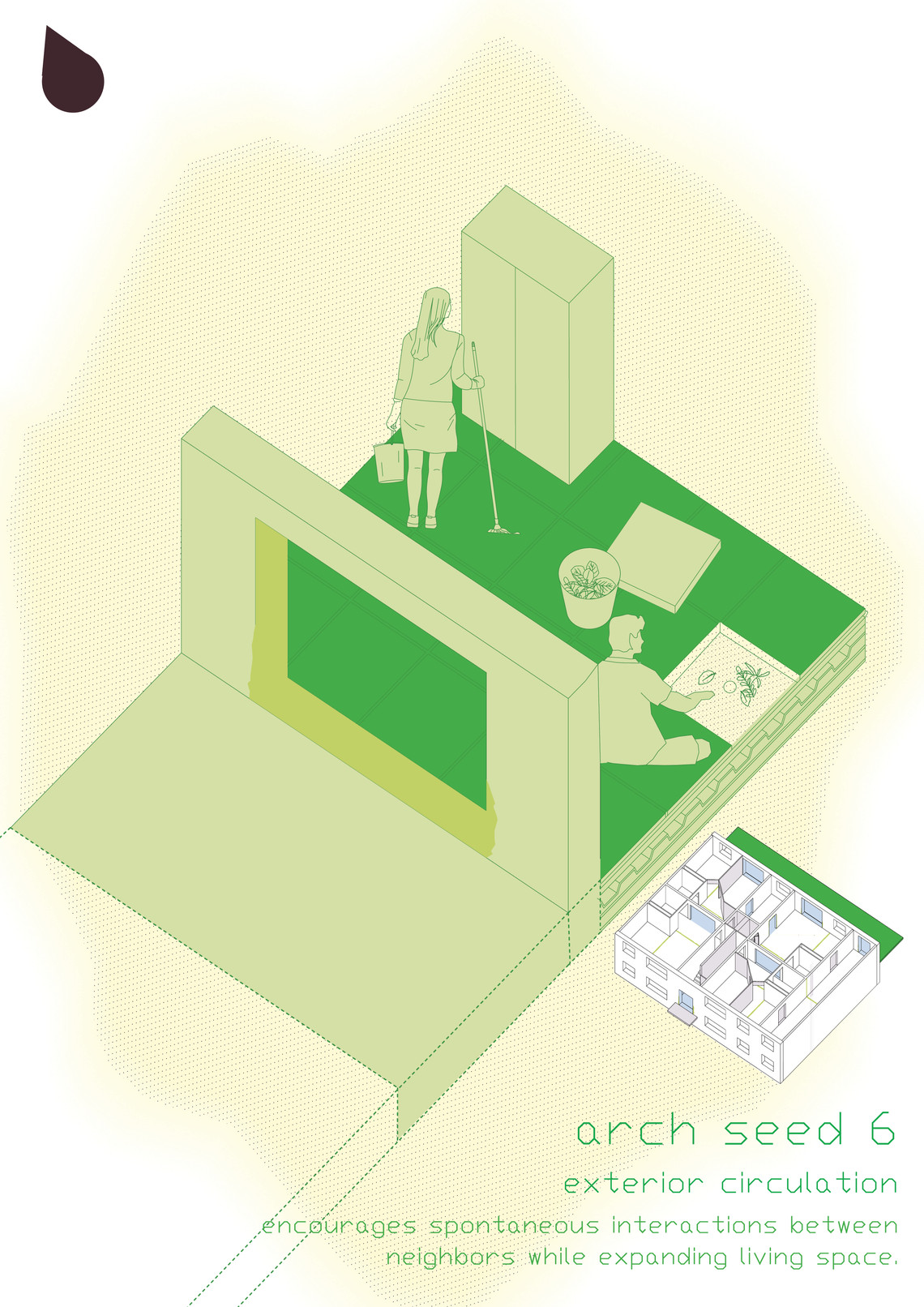
Learning from MHS we see maintenance and repair not just as chores but as opportunities for people in the house to encounter each other and build a sense of intimacy and solidarity. Zooming out we see how chains of giving and requiring care are what connect occupants to the building itself
but also each other.


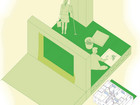
Instead of being the lead author of the building, we imagine a more humble role for the architect in the metaphor of planting seeds: seeds that have the potential to grow into different social and spatial conditions for the occupants, depending on how they choose to tend to them. How can we hand over some responsibility for maintenance and repair to occupants but in a way where they feel supported and equipped.


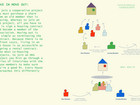
Based on the pressure points we identified in the MHS we want there to be enough flexability for different occupant types and capacities to co-exist. As a long term occupant who lives in a building for years, it is expected that you might go through different periods in your life where you're able to contribute more or less

The project is a collaborative effort by Ella Fortney and me, Celina Richter.