A


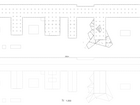
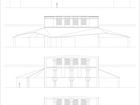
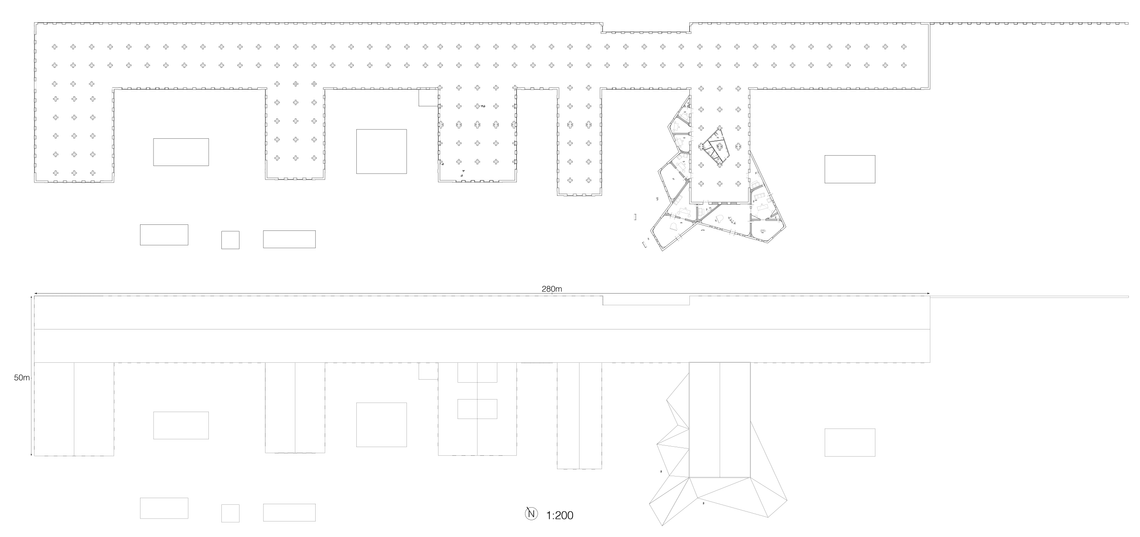
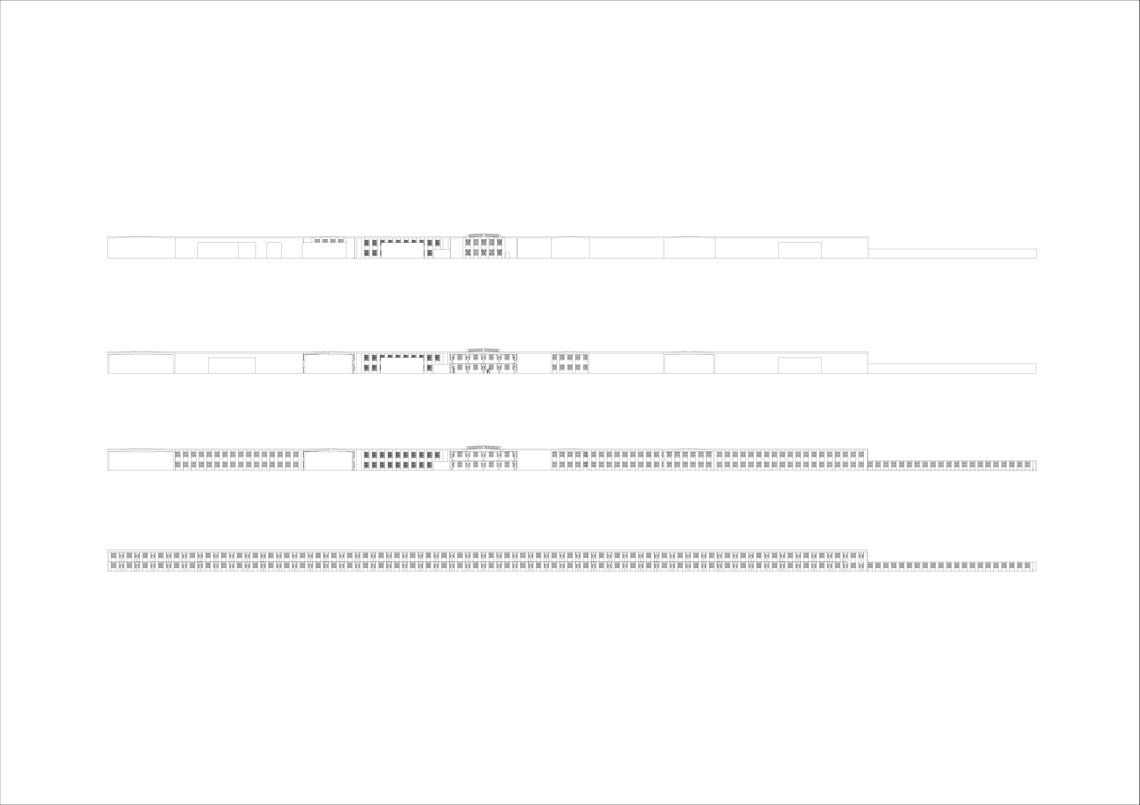
Katowice is transforming. But as capital claims its post-industrial ground, who is the city being built for? This project proposes a conglomerate of workspaces within the ruins of Huta Baildon, where former marginalised local businesses and established enterprises coexist, reusing what remains and minimising new materials, resisting the tabula rasa discourse of erasure and demolition.


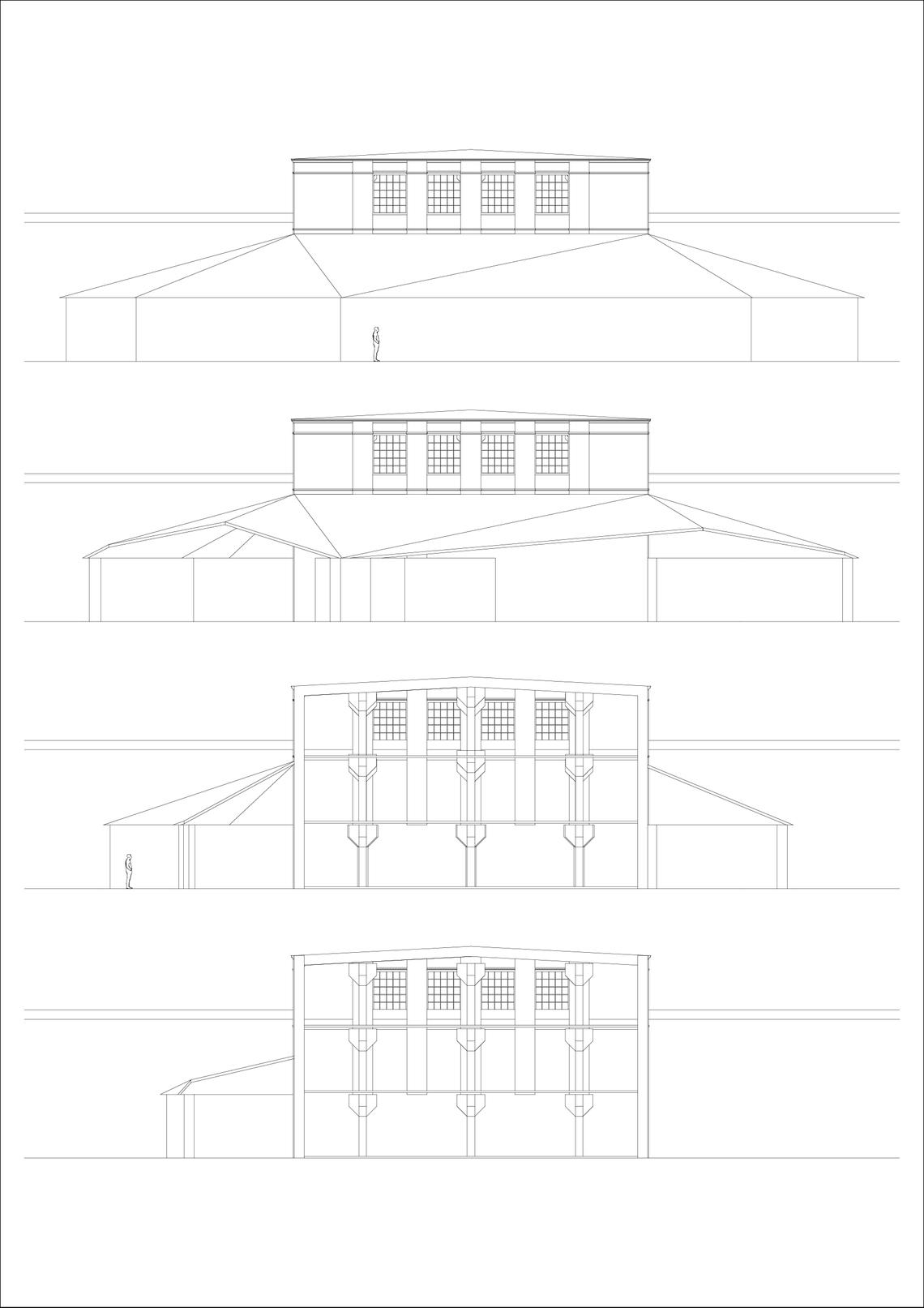
The conglomerate building method invites the city to evolve over time. Rejecting a tabula rasa approach, each of the four stages responds to existing conditions through ad hoc interventions that learn from and build upon what is already present. The diagram illustrates how each stage emerges from the previous one, revealing an incremental process of accumulation and adaptation.


Local traditions and practical needs bring direction to the project's development. Local building traditions bring inherited knowledge to its architectural language. A conglomerated approach to building brings together multiple influences, creating an architecture shaped by the specific character and conditions of its place, informed over time.
Informed by local building traditions, the immediate context is lifted onto the plateau of the existing structure, transforming the ground into a new architectural foundation and interweaving the surrounding urban fabric with the context of Huta Baildon.