A

This project presents a resilient building system for flood-threatened coastal communities. Moving away from defensive concrete structures, the architecture is elevated using robust recycled materials, letting storm surges flow freely underneath. Constructed with breathable bio-based materials, it offers a sustainable solution where we learn to live with the water, not against it.
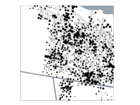
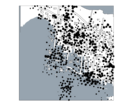
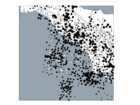
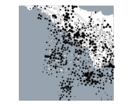
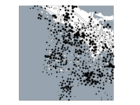
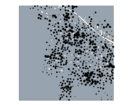
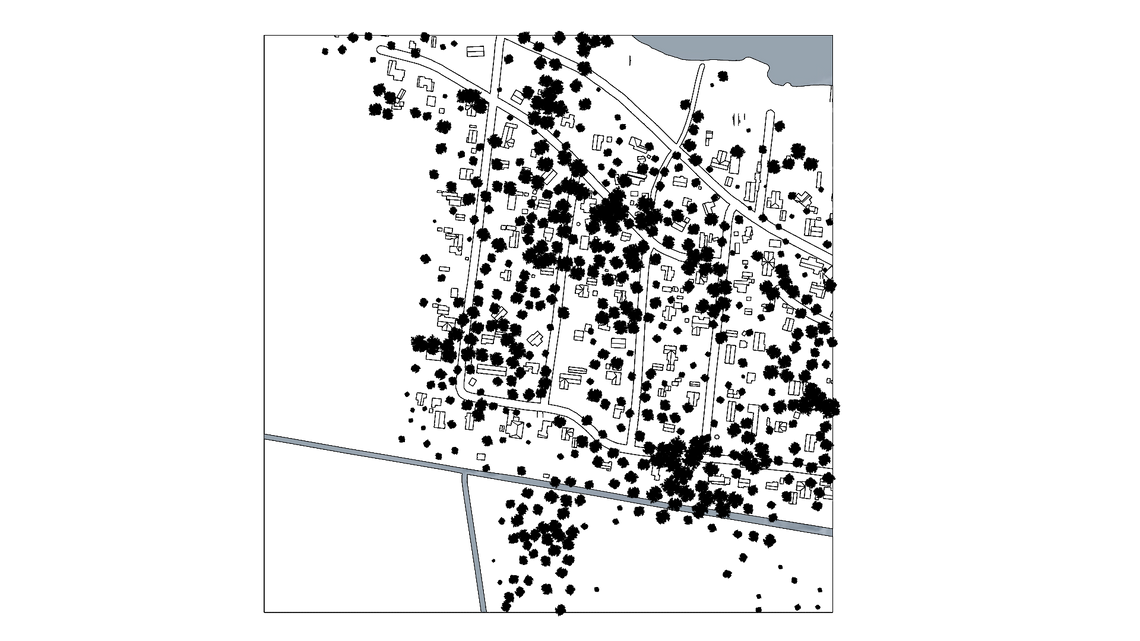
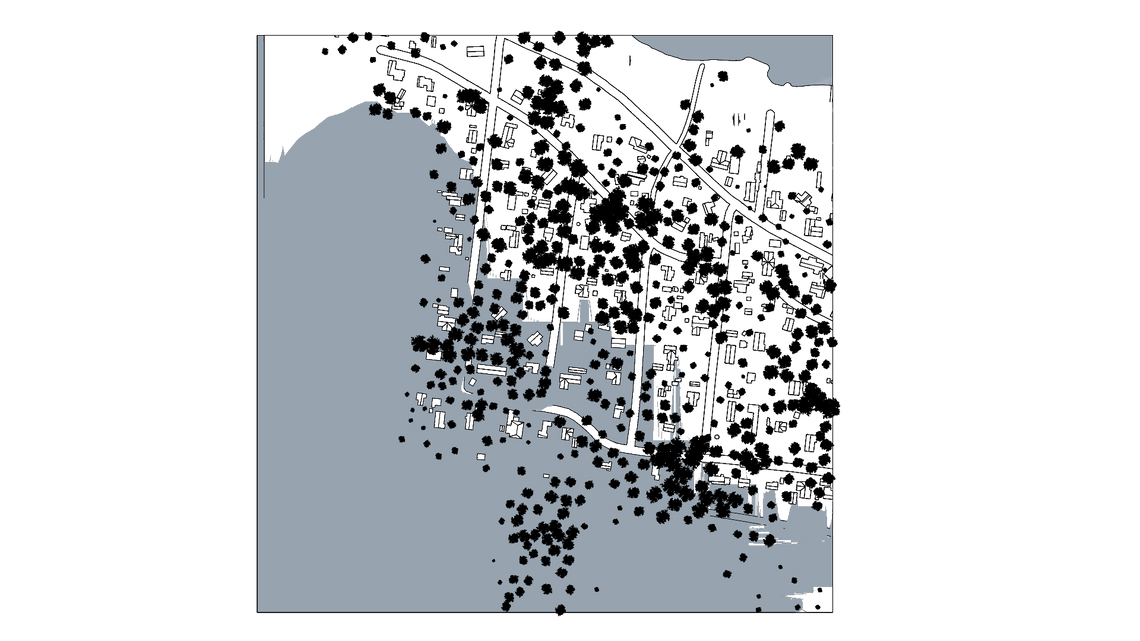
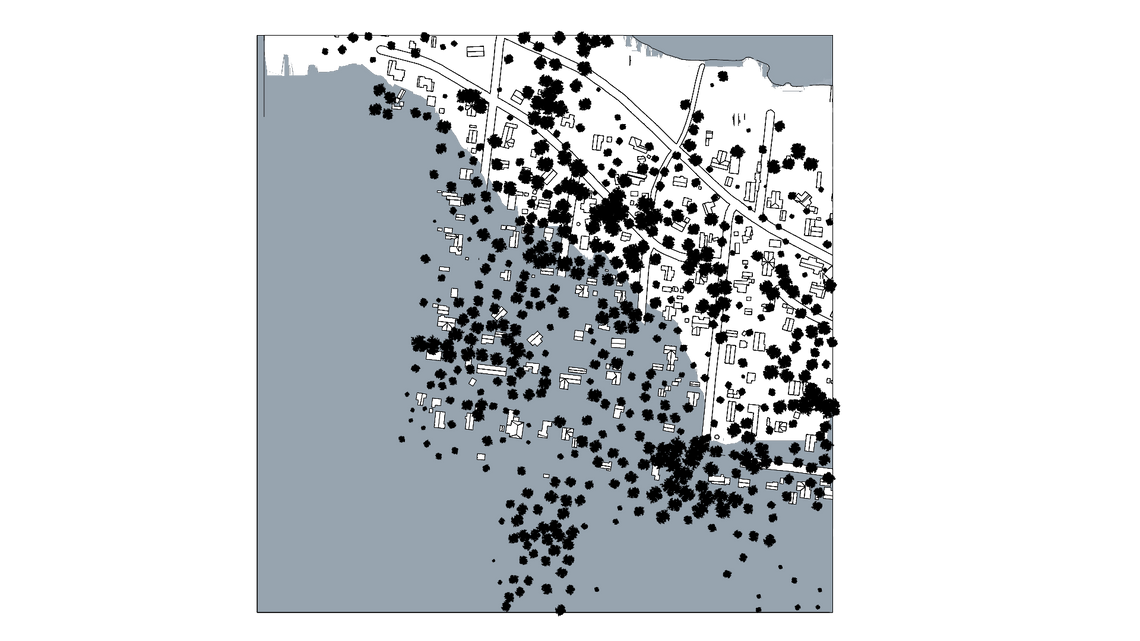
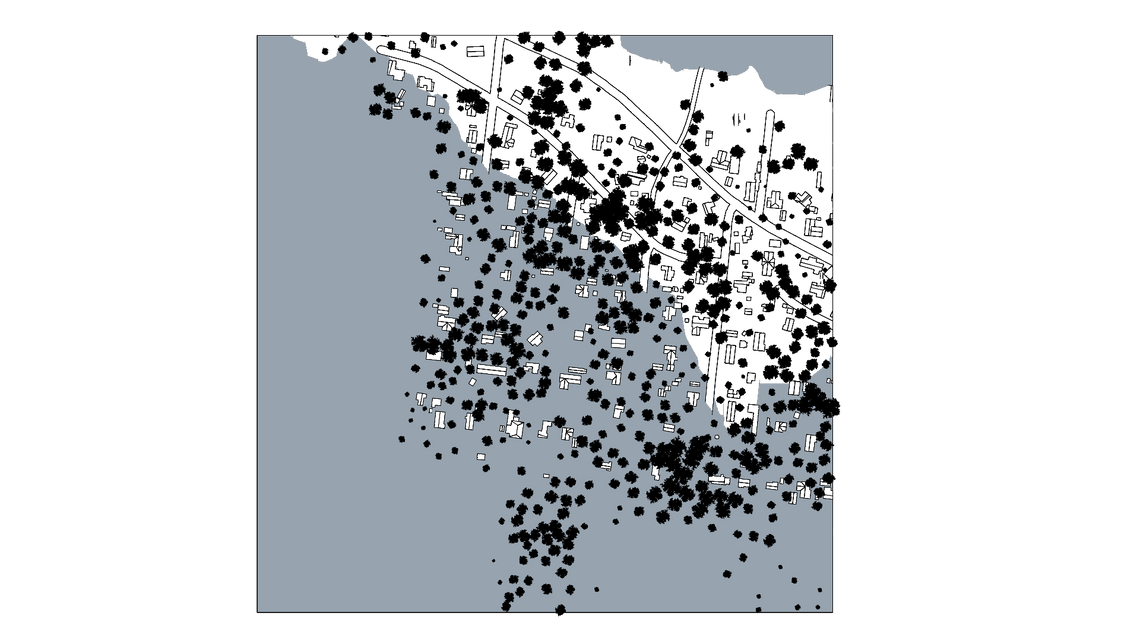
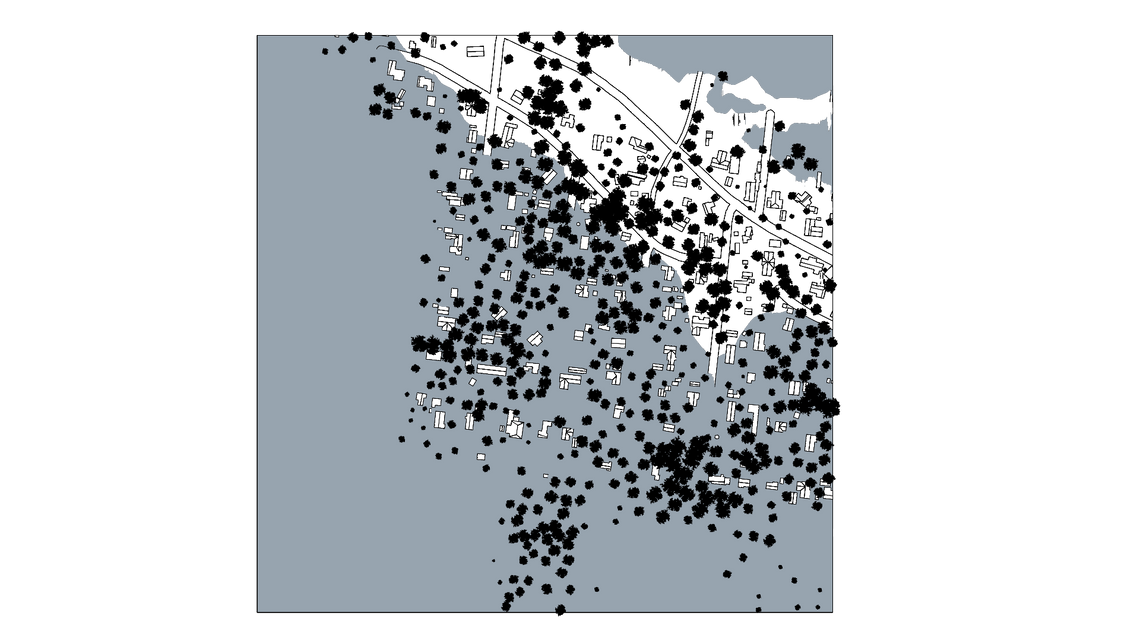
Vulnerable Zone. 0 - 2.5 m sea level rise
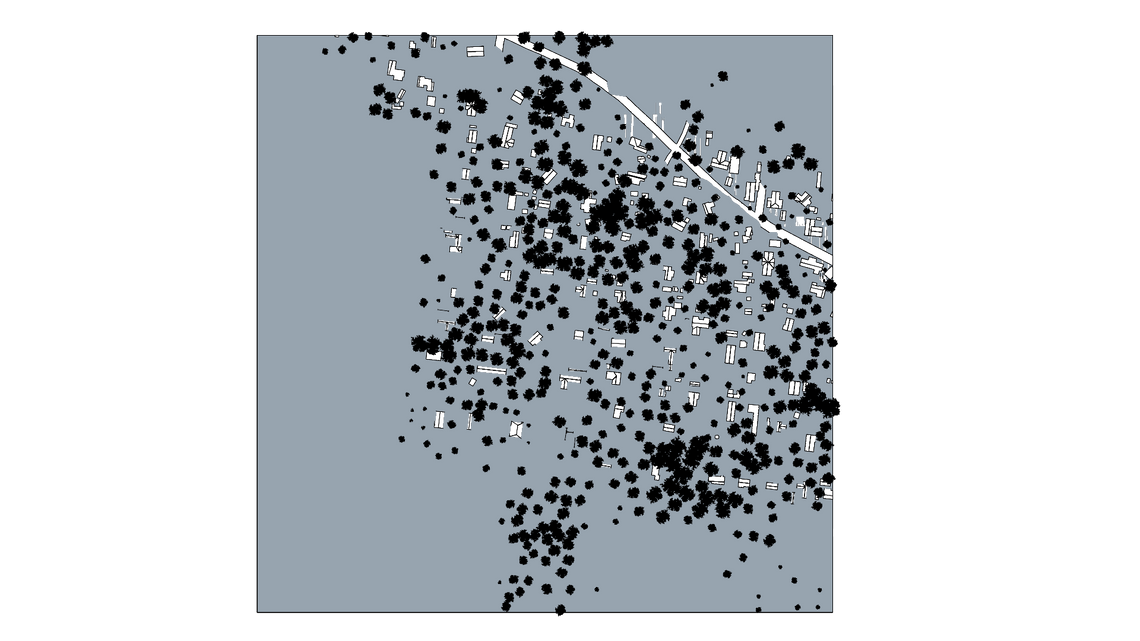
Sea levels are rising. By 2100, global sea level rises of nearly one meter are expected, and Denmark, with its 8,750 kilometers of coastline, is particularly exposed. Reersø is just one of many places at risk of disappearing from the map of Denmark this century. The houses in the risk zones were built in the 1960s and were not built to face the water — and this is noticeable.
The problem is not just technical. It is also systemic. State resources for coastal protection are prioritized according to cost-benefit analyses that favor dense infrastructure and high property values. Smaller coastal communities like Reersø fall through the cracks. Without professional guidance, residents are left to fend for themselves — drilling holes in foundations, pouring concrete around their houses, and building small stone embankments. These measures delay the problem, but do not solve it.
Through fieldwork, collaboration with the municipality, and interviews with three local residents, the project uncovers what really happens when the storm surge hits: destroyed foundations, compensation cases, and deep frustration with a bureaucracy. But the interviews also hold hope — one resident, an architect, has built his own house correctly for the site: raised above the ground, light, and breathable. He shows that it can be done.
Building on regenerative theory and biogenic materials, the project proposes a building system to replace the vulnerable existing housing stock. The house is raised three meters above the ground on reused telegraph poles — a direct reference to Reersø's own cultural history — and rests on natural boulders without a single gram of concrete. The construction is insulated with locally sourced eelgrass and finished with a thatched roof with wide overhangs. Storm surges pass freely underneath. No vapor barriers, no closed foundations — a construction that breathes, dries out, and can be disassembled without leaving a trace, should the sea ultimately win.