A


This project introduces oral storytelling as a form of civic engagement in Växjö Municipality, addressing the growing distance between political institutions and the public, the representatives and their voters, under representative democracy.
Drawing inspiration from the Carrier Bag Theory, it challenges the adversarial designed representative democracy by suggesting another design of representative democracy centering on oral storytelling, a prevailing culture in Sweden.
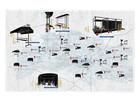
The interventions consist of three elements:
About Representative Democracy
Recent political events have deepened a sense of disempowerment among many individuals. Public discourse has increasingly turned inward, focusing on conflicts within political institutions and the power dynamics inside the system, rather than on the needs and experiences of the people those systems are meant to serve.
Representative democracy is currently designed in a conflictual and adversarial way, and this project would use architecture as an entry point for a critique of the existing design of representative democracy.


About Oral Storytelling
During fieldwork in Växjö, Sweden, I encountered a group of storytellers committed to preserving the tradition of oral storytelling. Much of their storytelling centers on the everyday life of their own, childhood memories, family anecdotes, friendships, work, and experiences of living in the community.
I participated in several of their events, including the Storytelling Café (Berättarkafé). At these gatherings, oral storytelling becomes a medium for self-expression among strangers.
Oral storytelling is more than simply the sharing of personal everyday stories. Within this space, people connect not to reach consensus, but to embrace plurality, acknowledge difference, and give voice to one another.[1]
[1] Arendt, The Human Condition, 176.


This project explores how storytelling might stimulate such sparks, for the stories from individuals to carry forward with a quiet momentum
It speculates storytelling as an act of democratic engagement, one that does not aim to resolve conflict, but rather to listen, to witness, and to affirm the lived realities of others, offering an opportunity for individuals to be heard.
About Växjö Municipality
In Växjö Municipality, Members of the Parliament (MPs) are elected every four years. This electoral structure means that residents’ direct political influence is generally confined to election cycles.
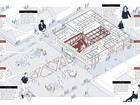
Similar to many municipalities, political activity is concentrated in the city center. Key political institutions are clustered in the city centre, reinforcing a political landscape that centered only in the inner part of the city.


"The first cultural device was probably a recipient... Many theorists feel that the earliest cultural inventions must have been a container to hold gathered products and some kind of sling or net carrier."
Instead of centering on weapons, an ax, or a knife, it suggests that the first cultural tool was a container, a means to collect and carry. This shift in perspective reframes human nature not as inherently combative, but as collaborative and sustaining.
Applying this theory to today’s democratic systems reveals how deeply current political participation models and political architectures are shaped by “weapons”, conflict and confrontation.
In response, this project proposes a "collector", a space that gathers lived experiences.


Three Spatial Interventions
On the voters side, on the institute side, and one connecting them.

[Intervention on the Voters' Side]
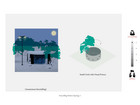
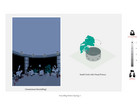
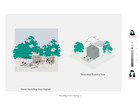
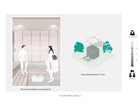
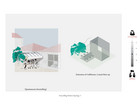
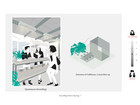
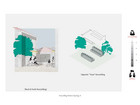
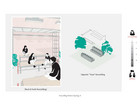
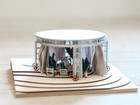
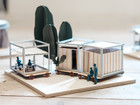
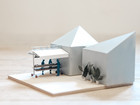
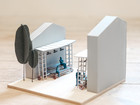
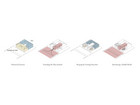
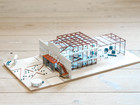
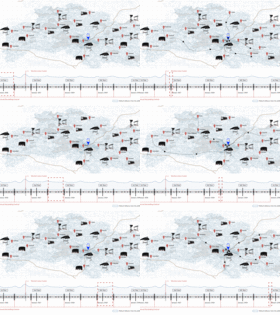
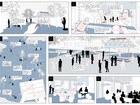
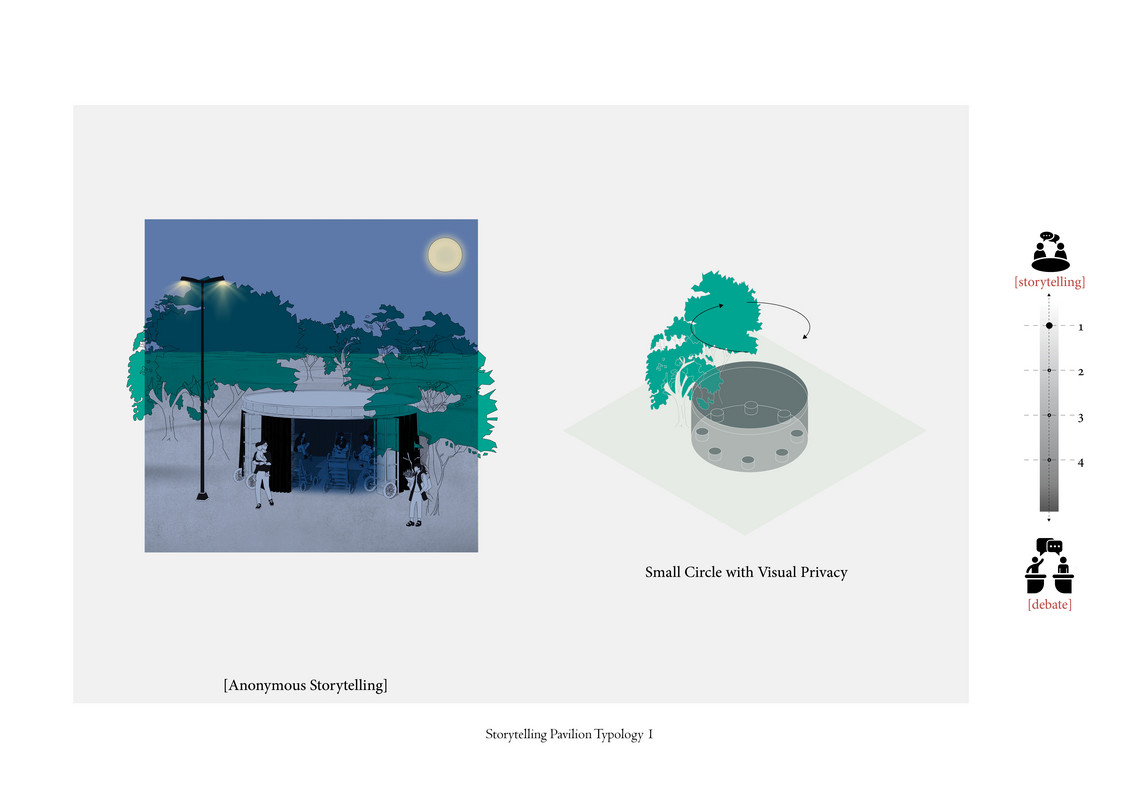
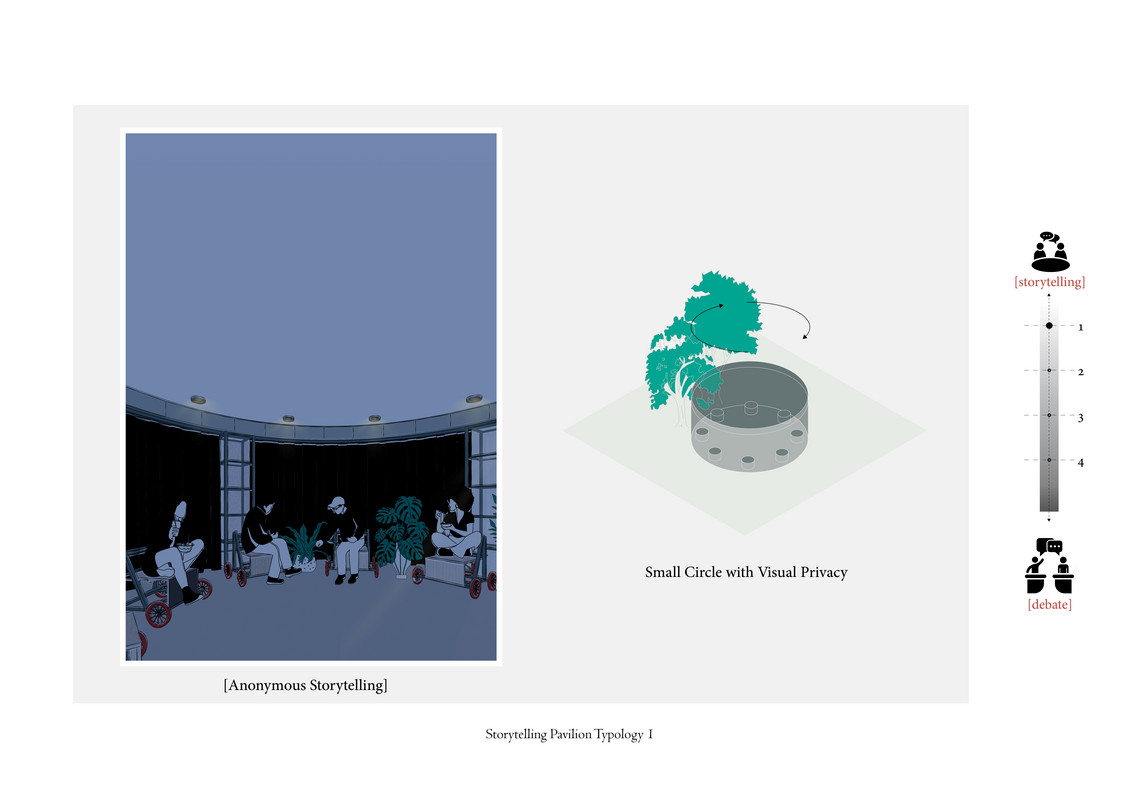
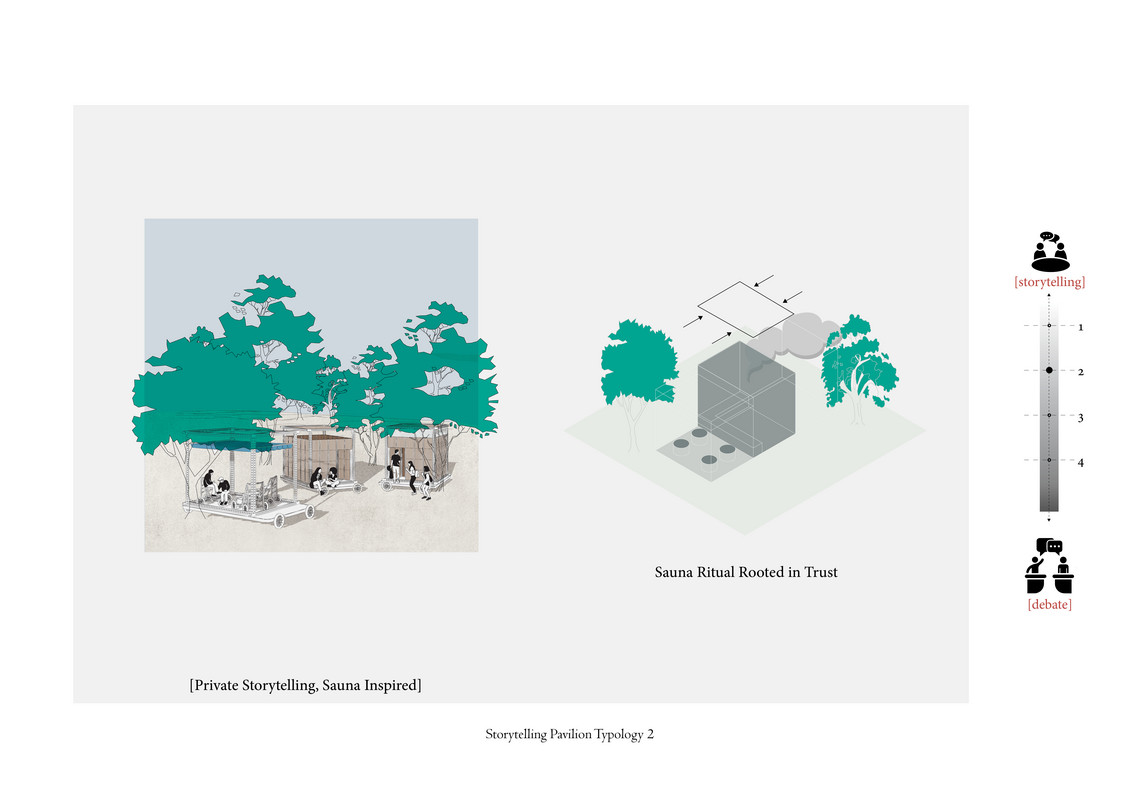
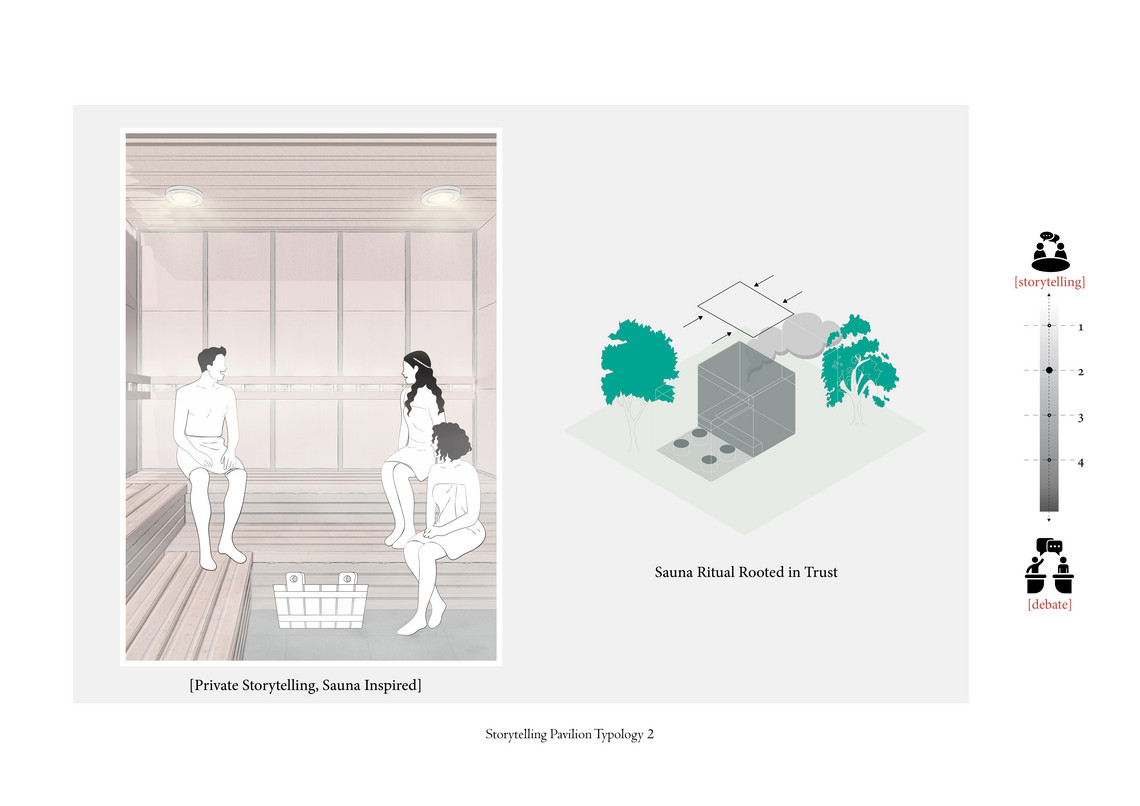
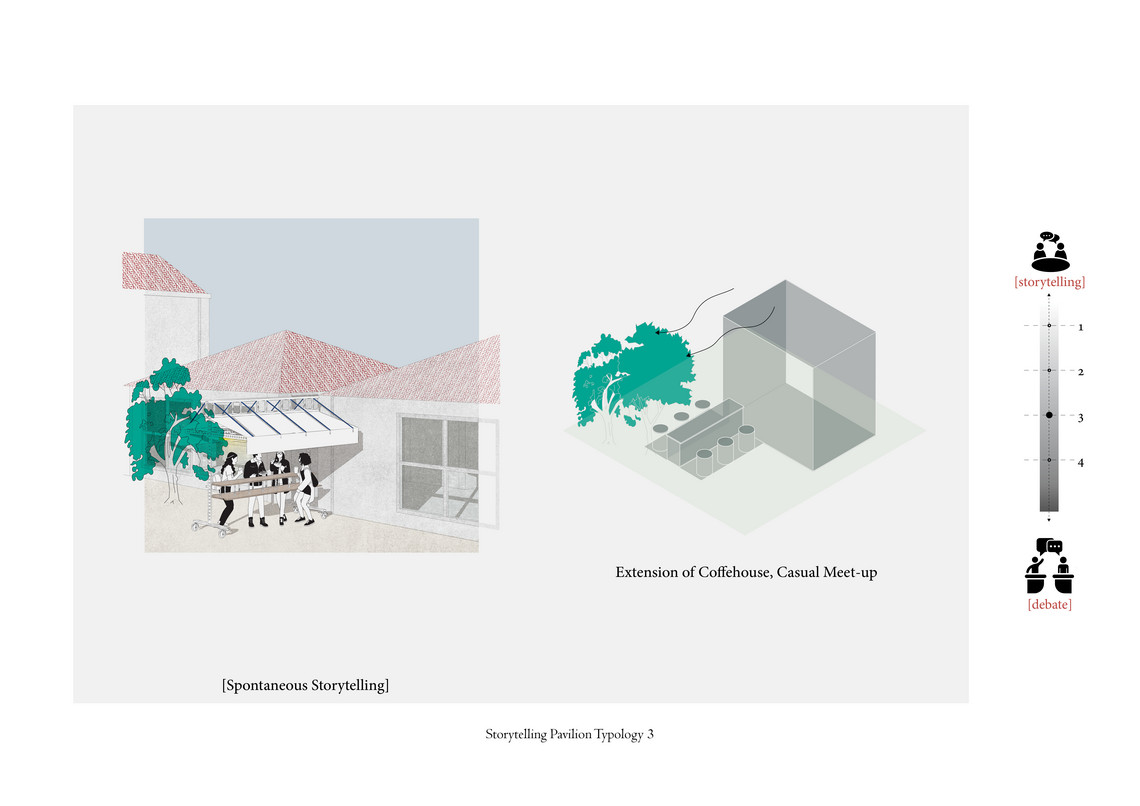
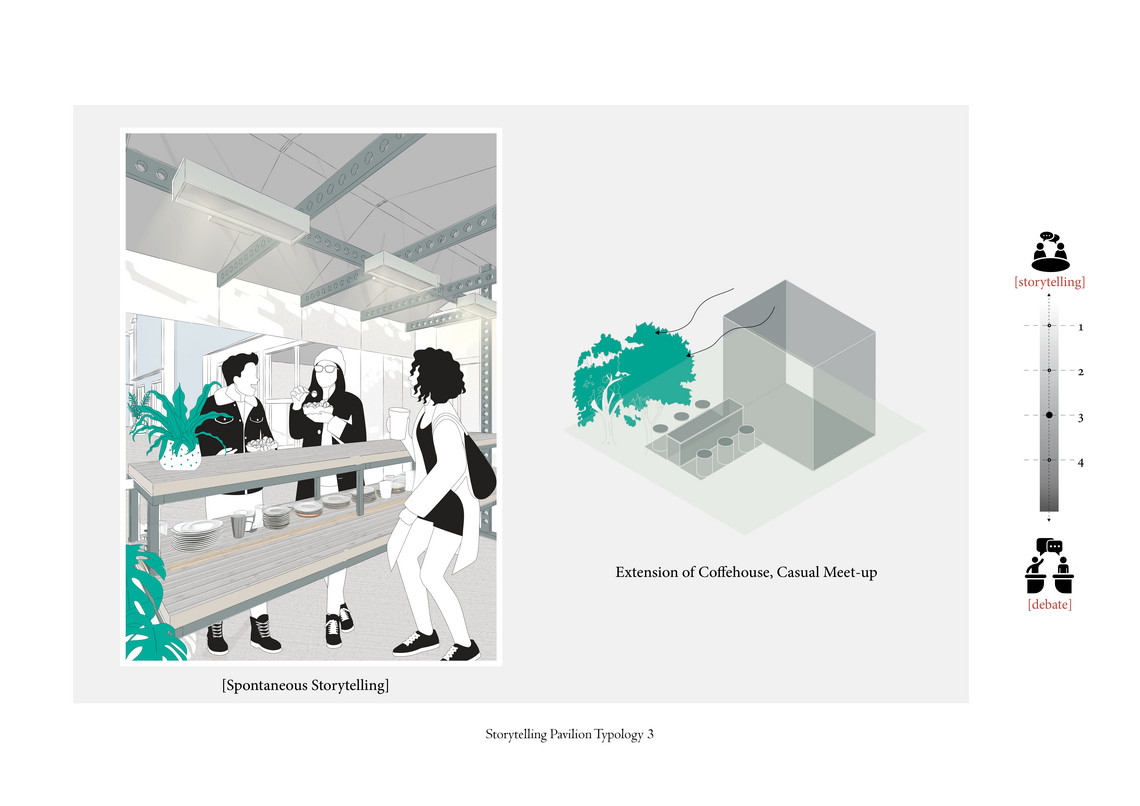
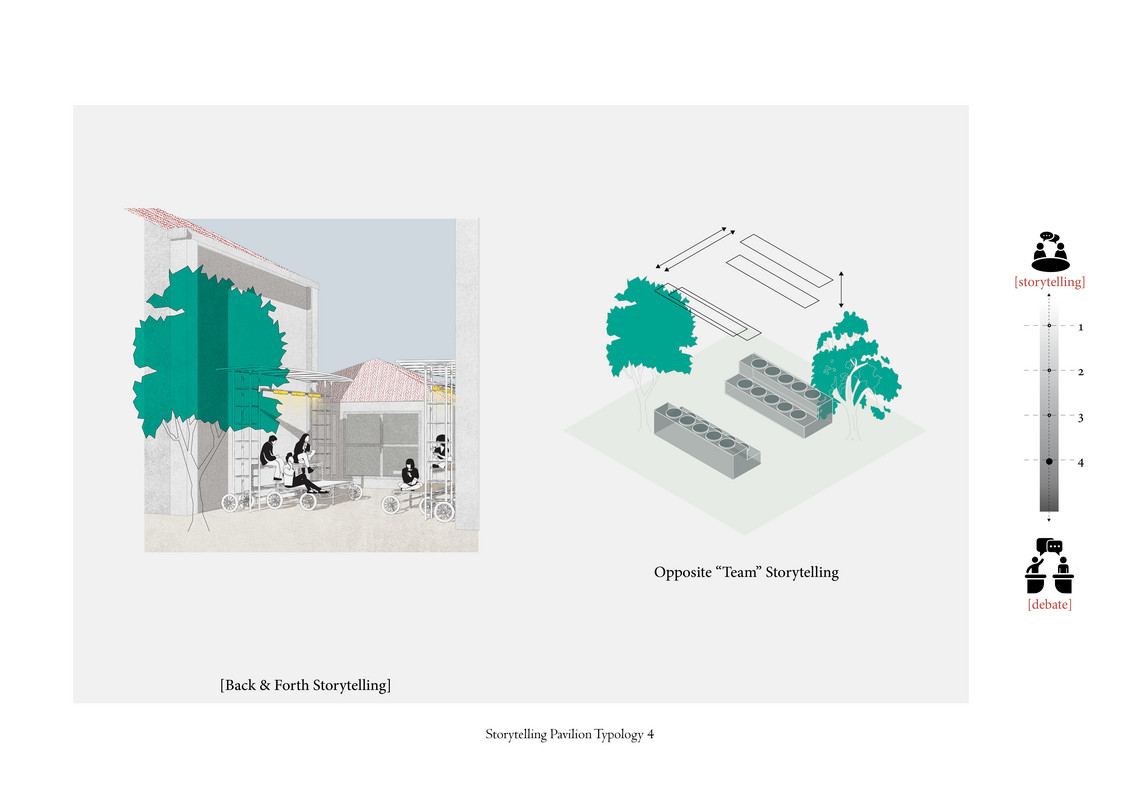
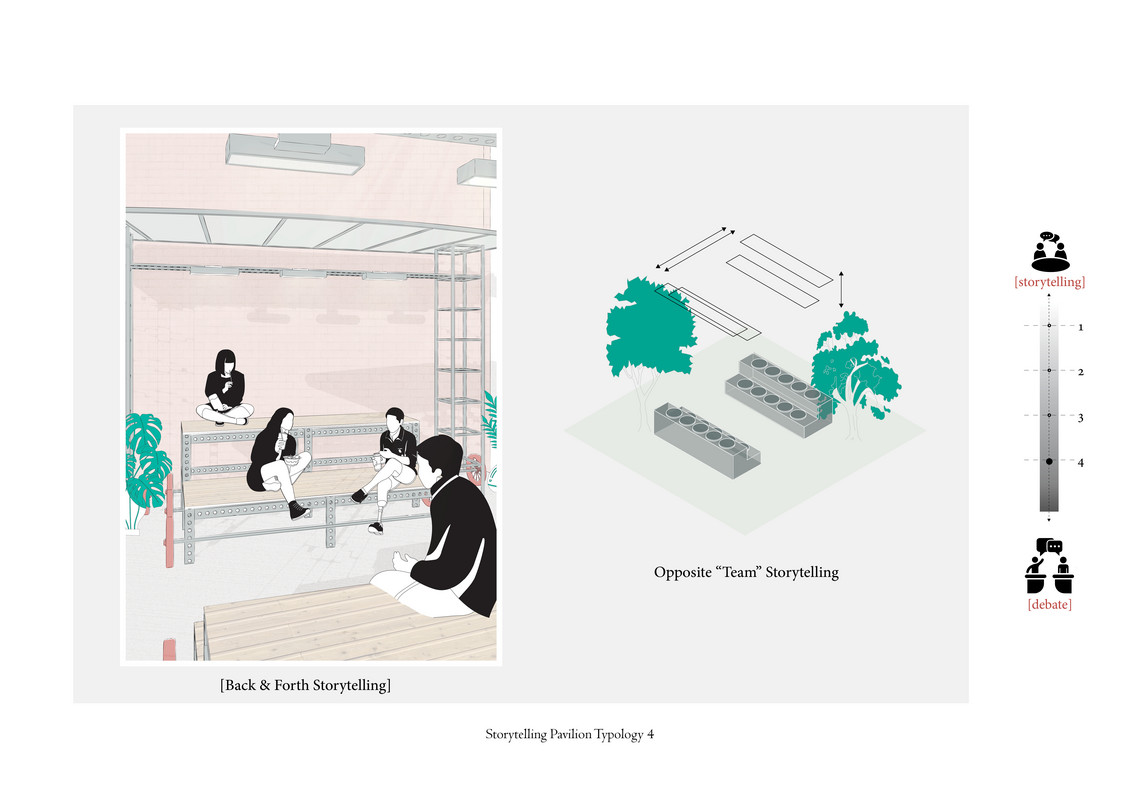
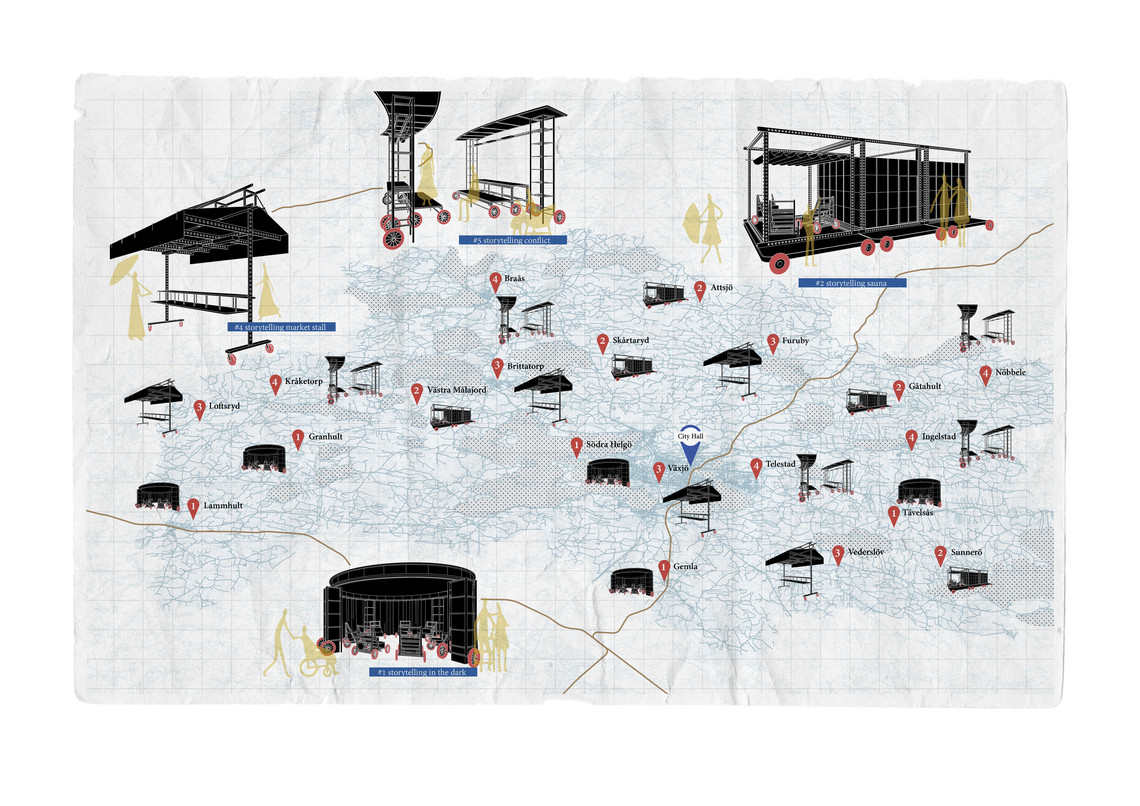
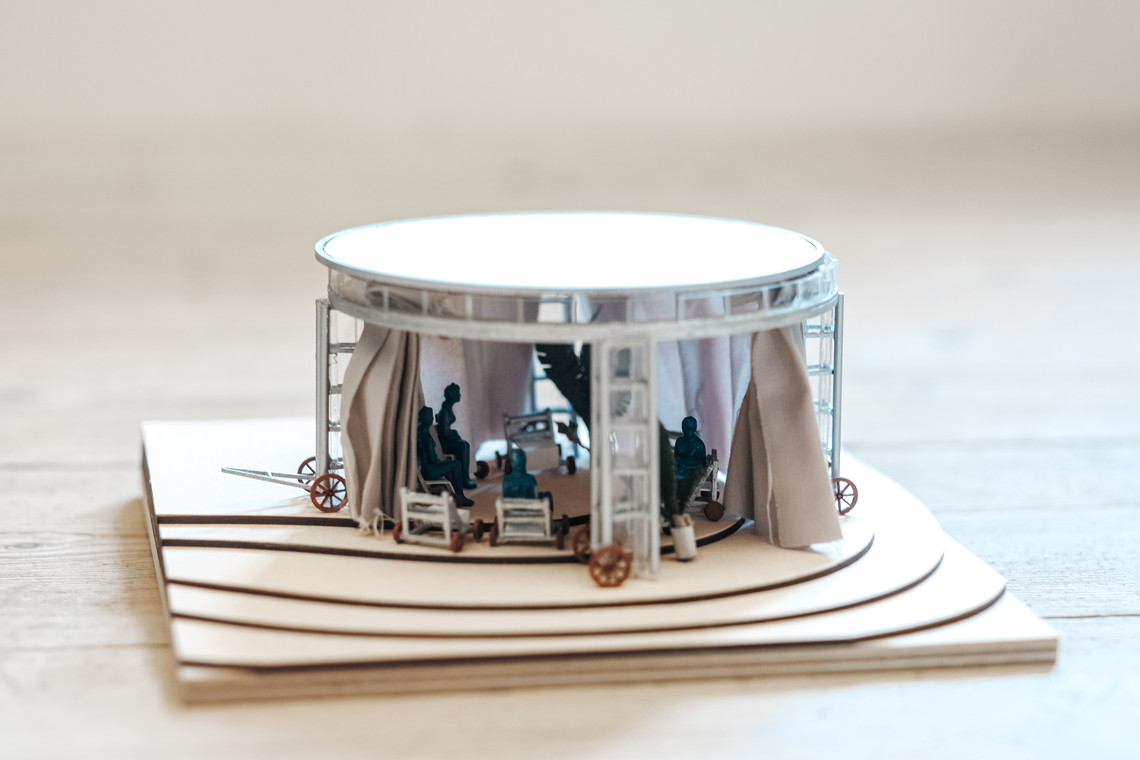
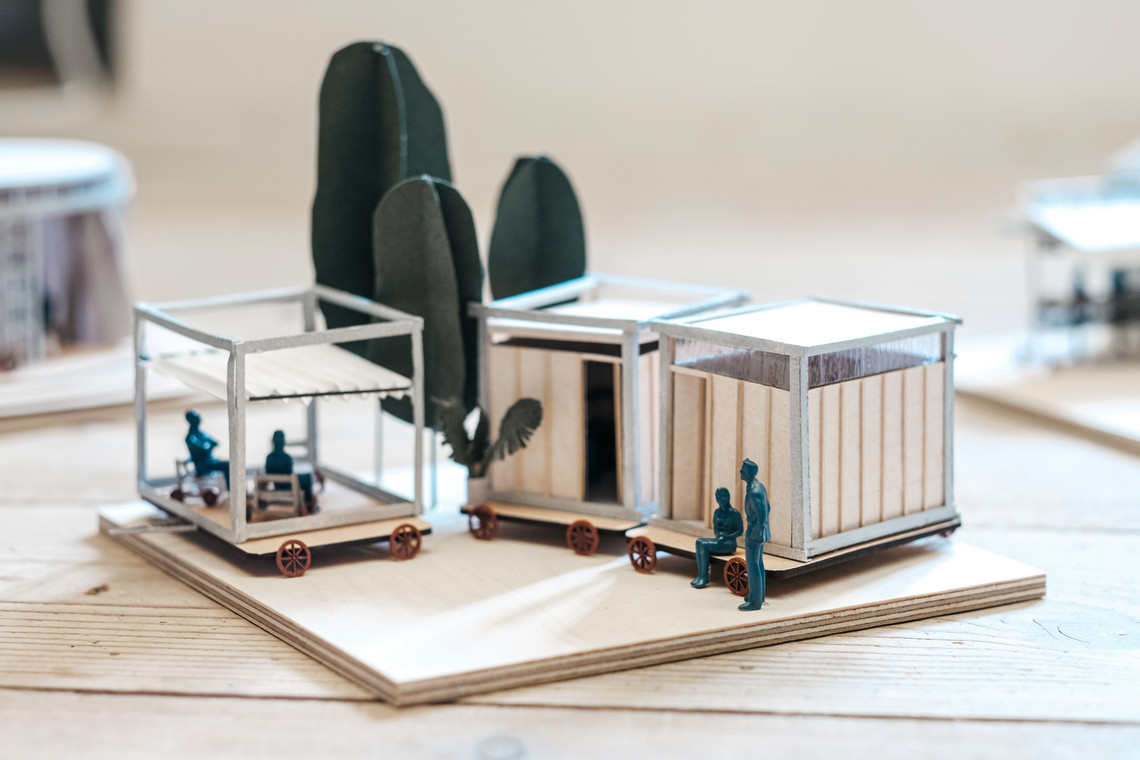
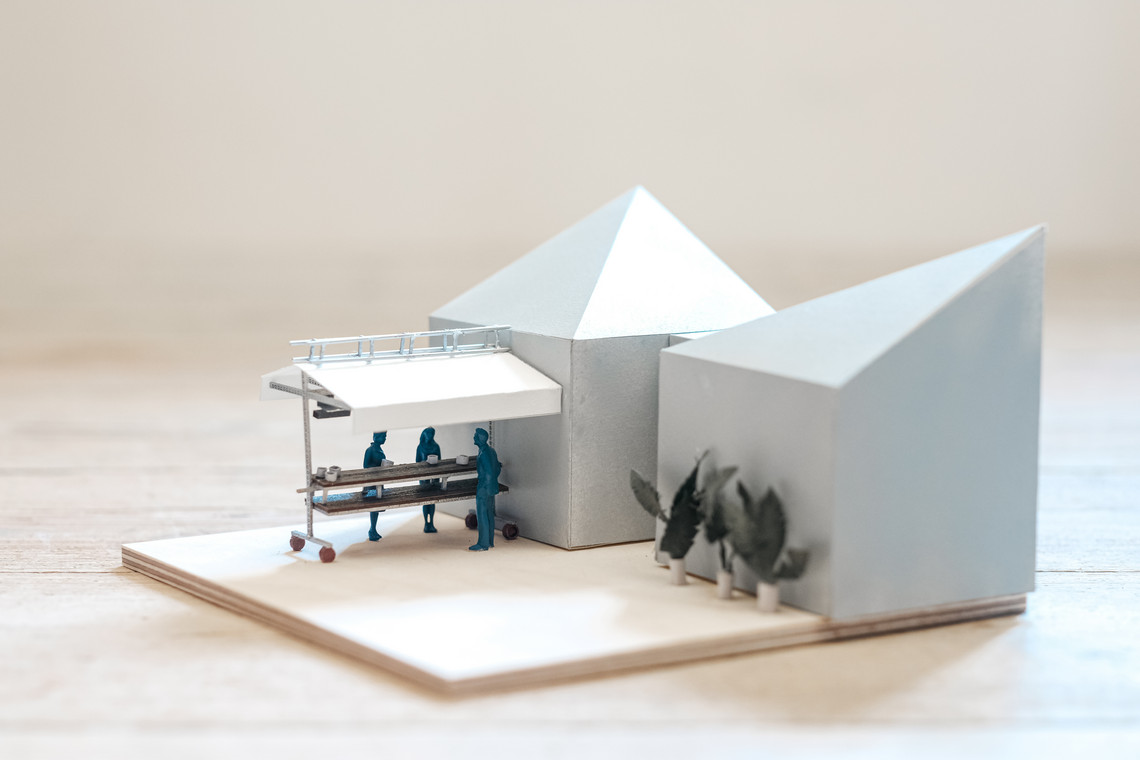
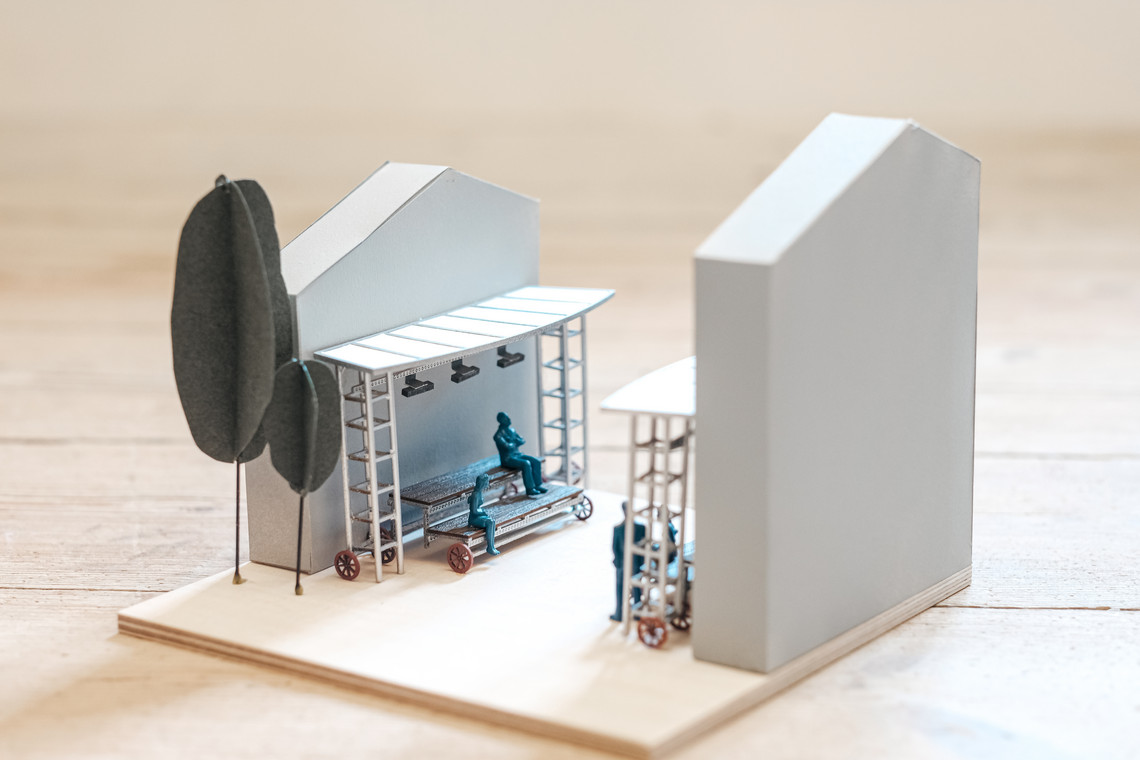
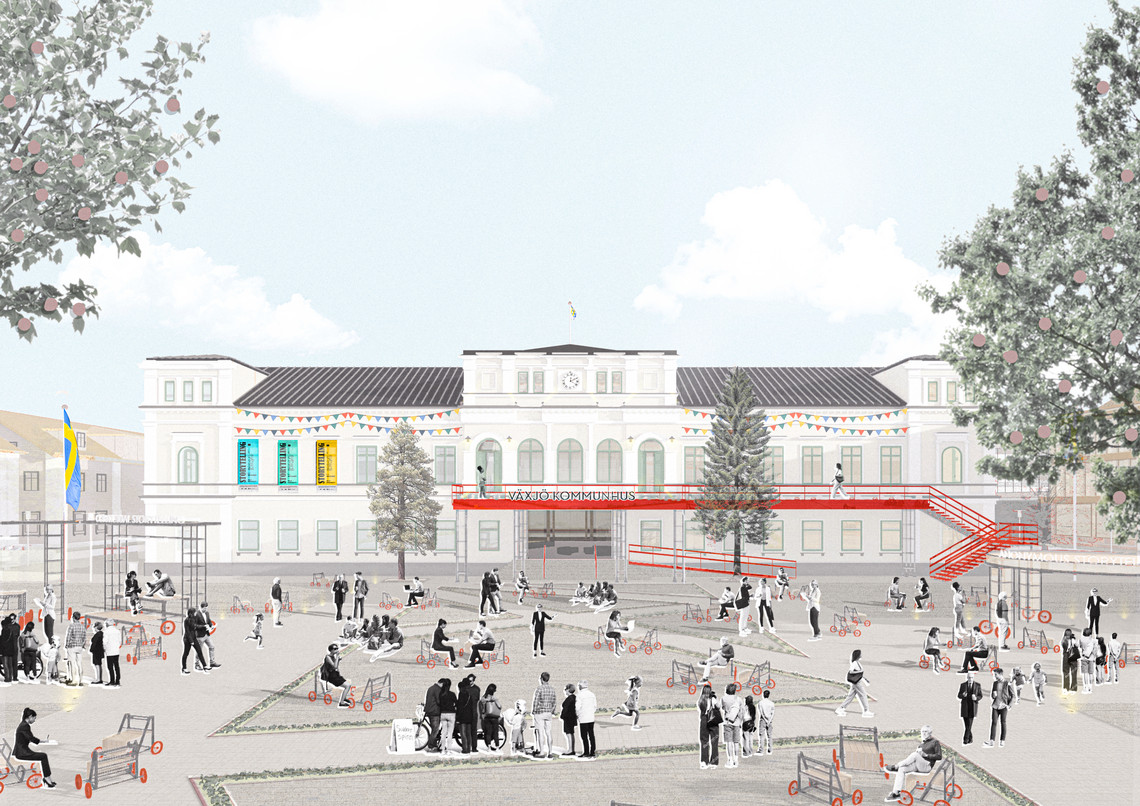
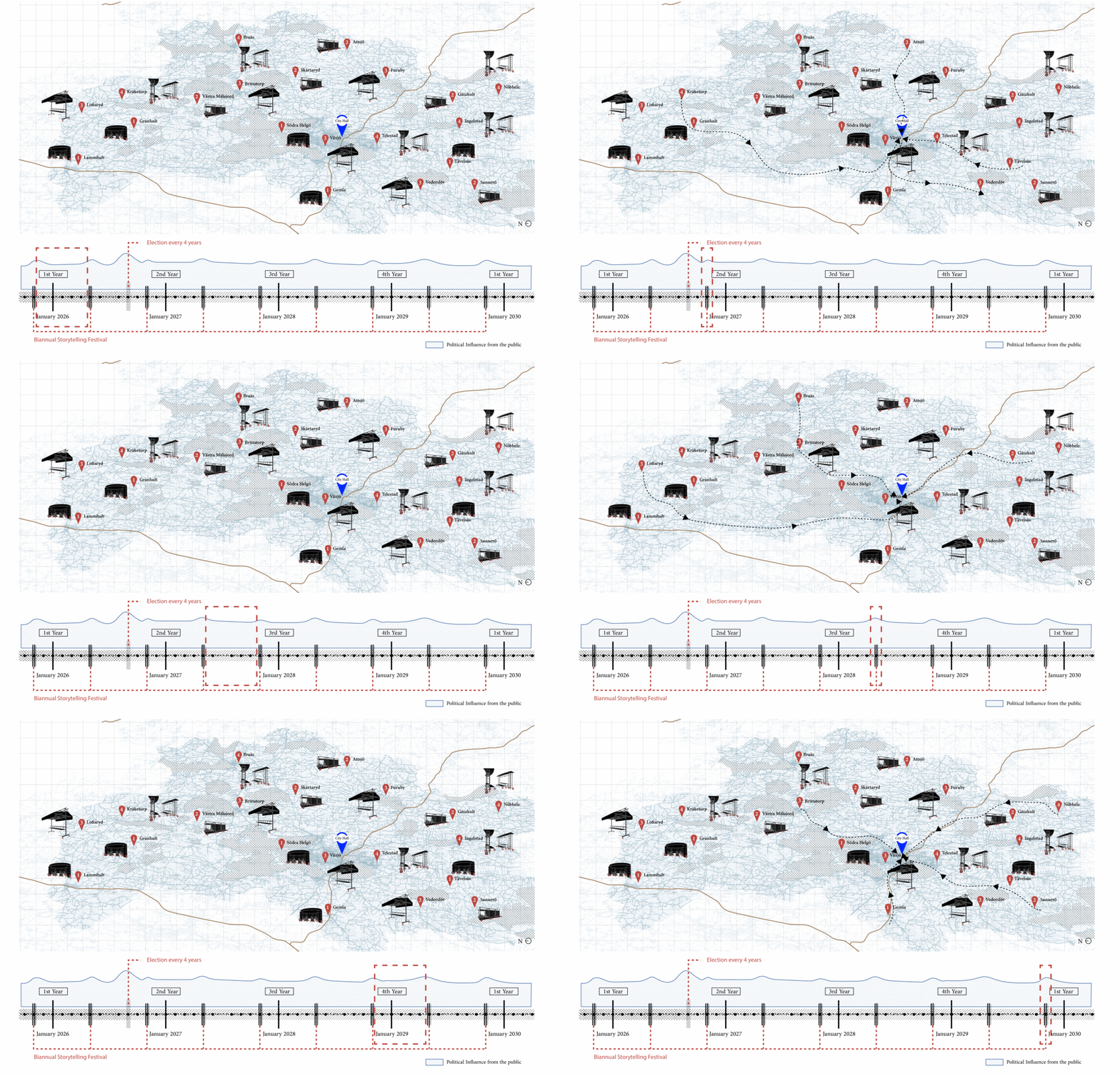
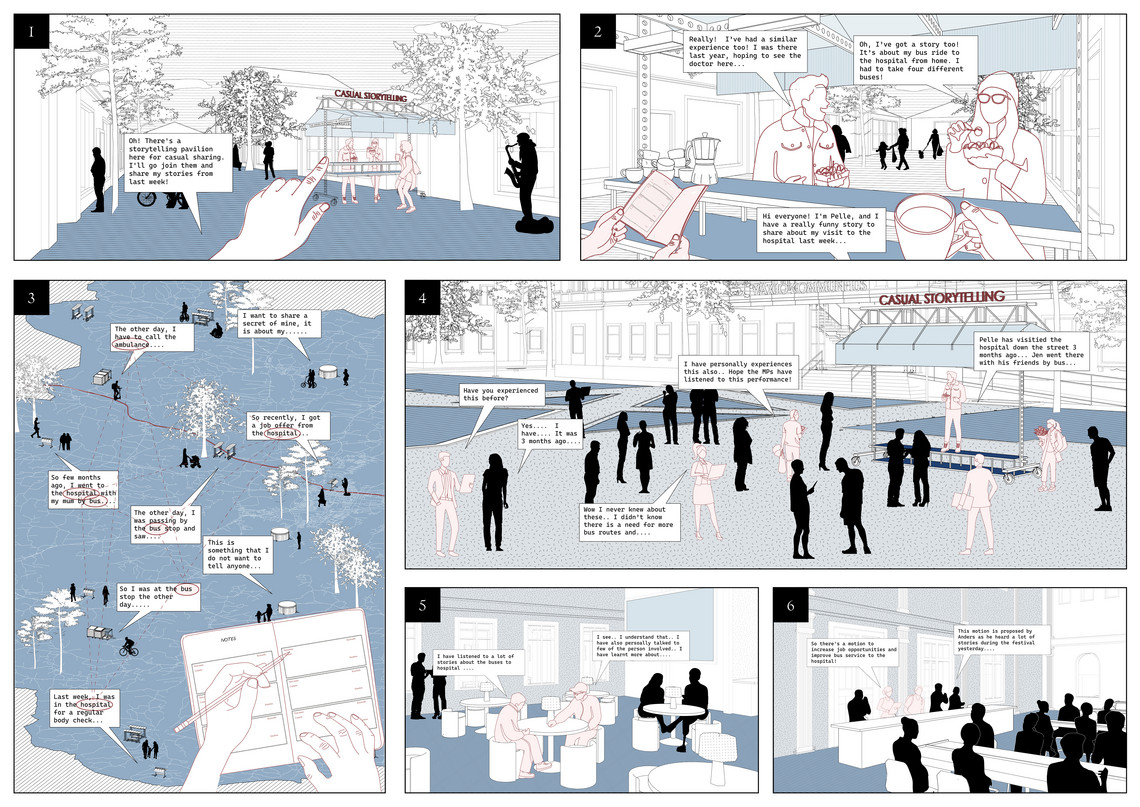
4 distinct typologies of storytelling pavilions are designed, each with a spatial quality to accommodate different modes of expression, and types of storytelling. These typologies span a spectrum from intimate, introverted spaces to open, extroverted formats.
These Storytelling Pavilions serve as decentralized civic storytelling spaces, creating accessible, everyday sites of civic engagement that are woven into the daily rhythms of the municipality, enabling storytelling not as a one-off event but as a daily civic practice.


Each pavilion typology will be produced in 4 copies, creating a network of storytelling spaces throughout the municipality, including suburban and peripheral areas that are often being excluded from political discourse.

A real-world workshop was conducted to test how to collect and document stories.


[Intervention on the Institute's Side]
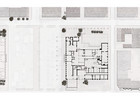
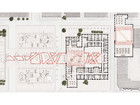
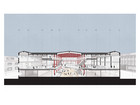
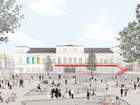
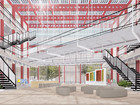
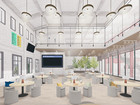
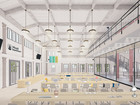
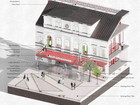
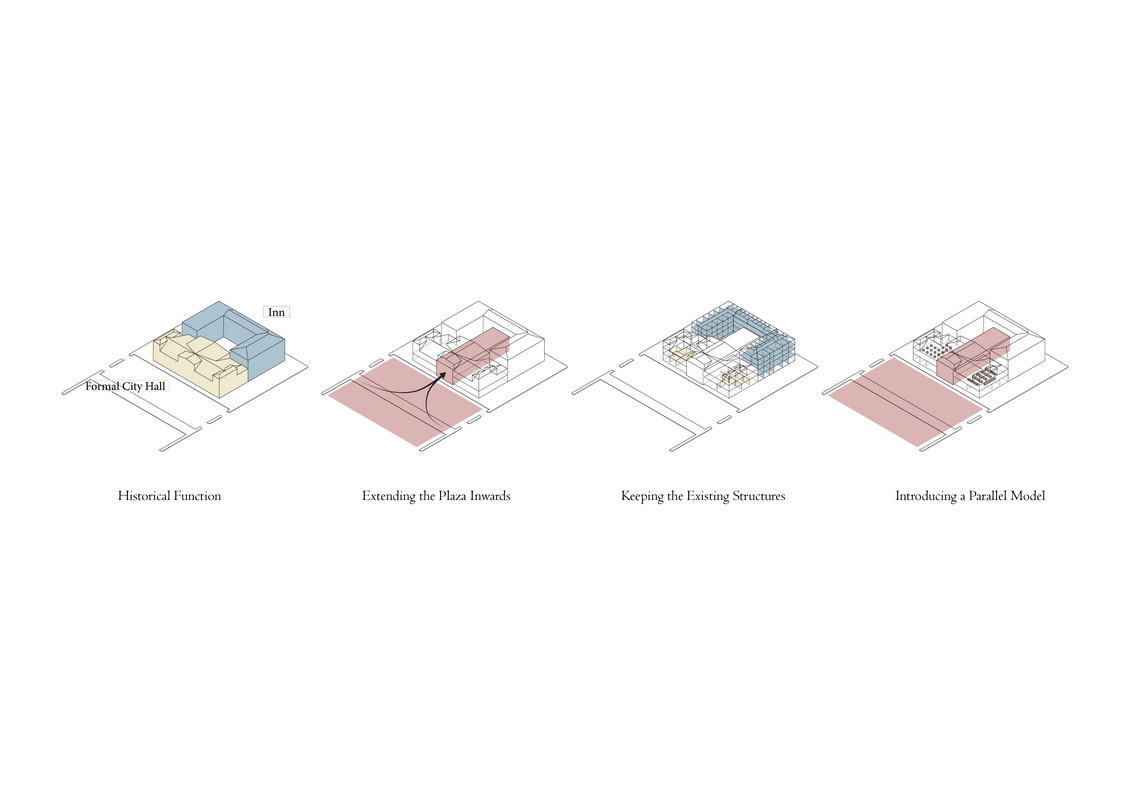
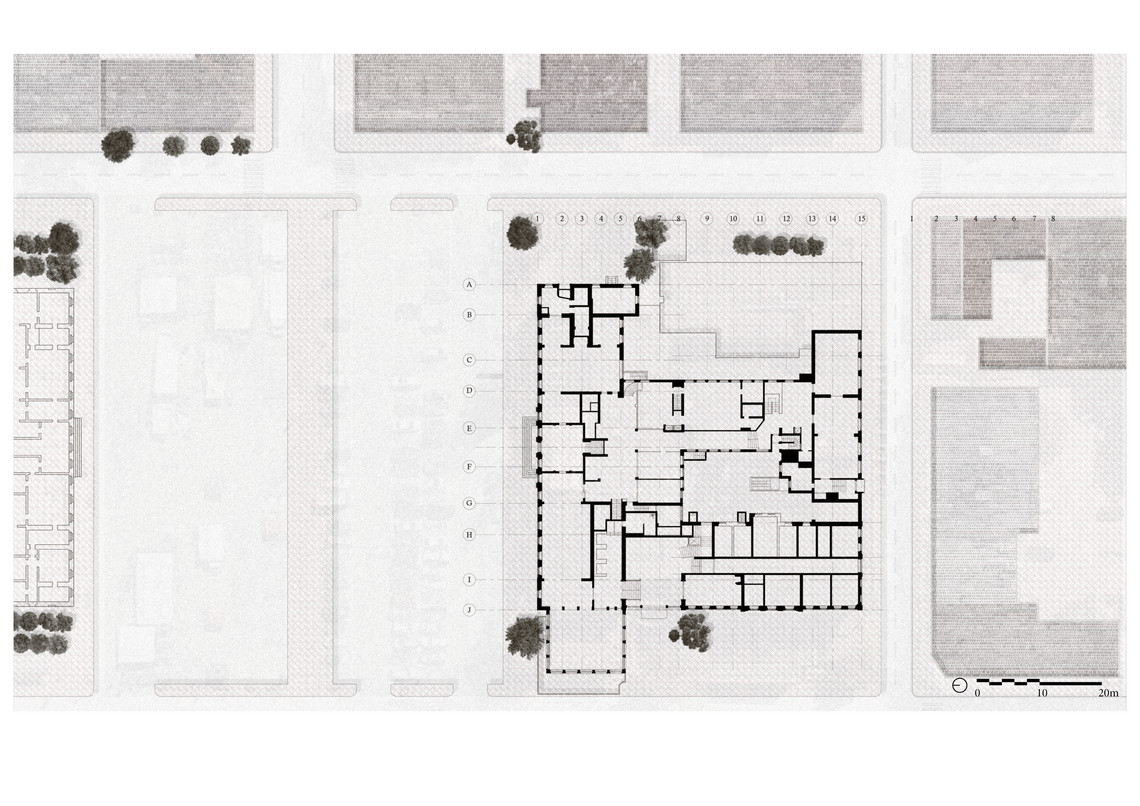
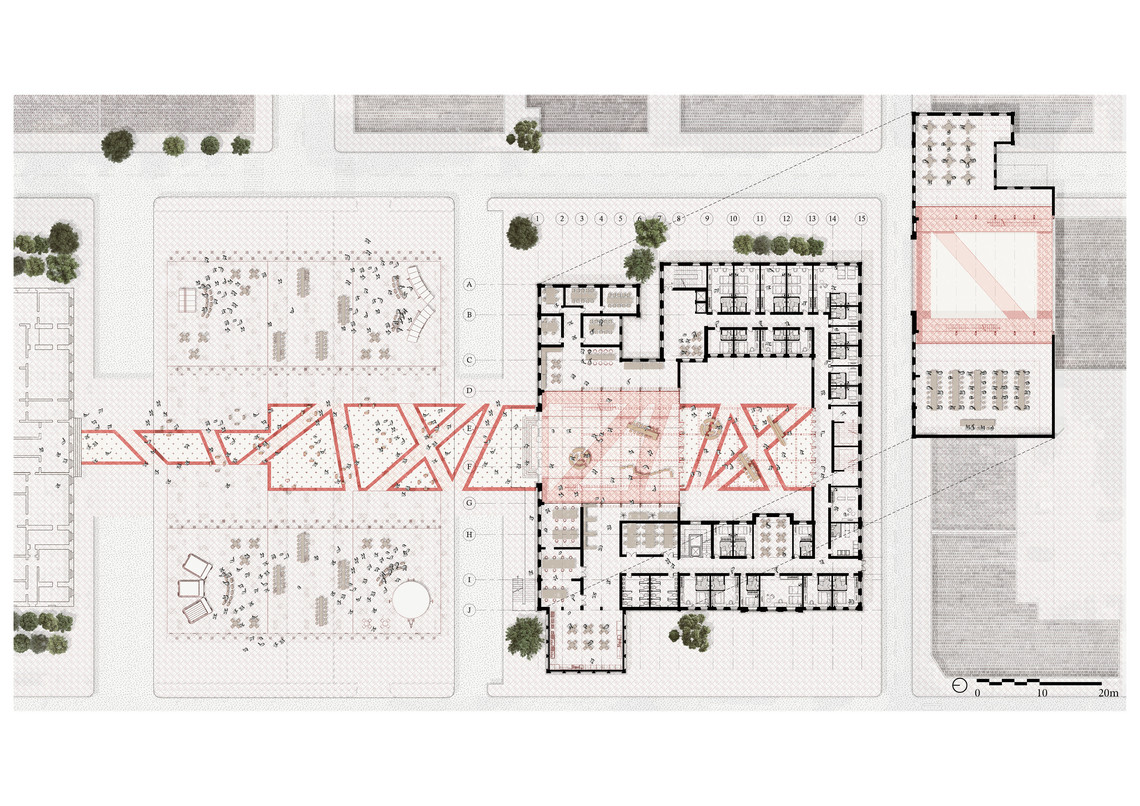
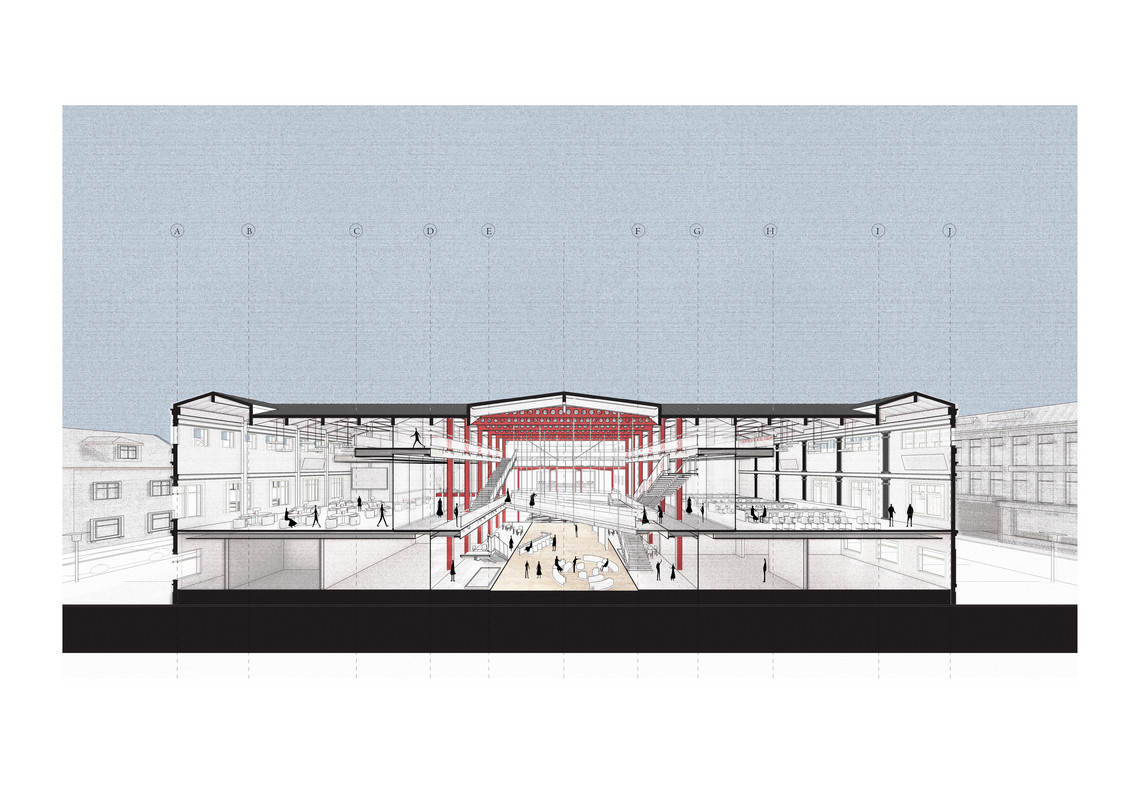
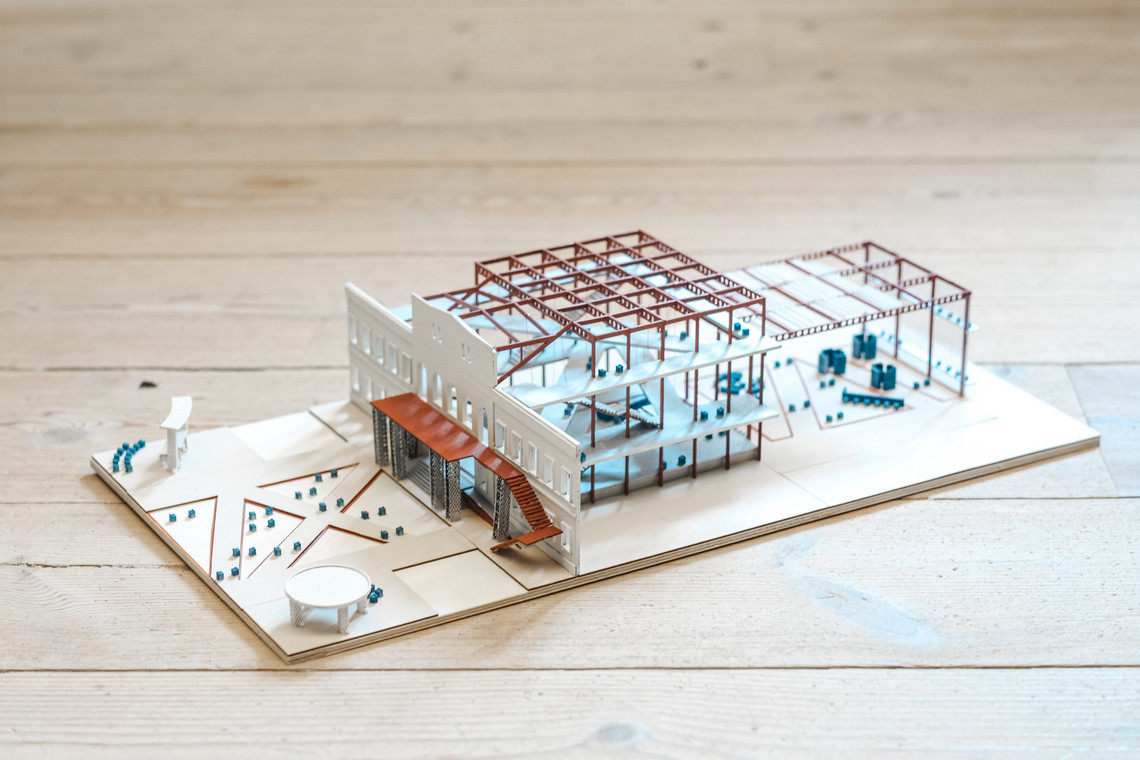
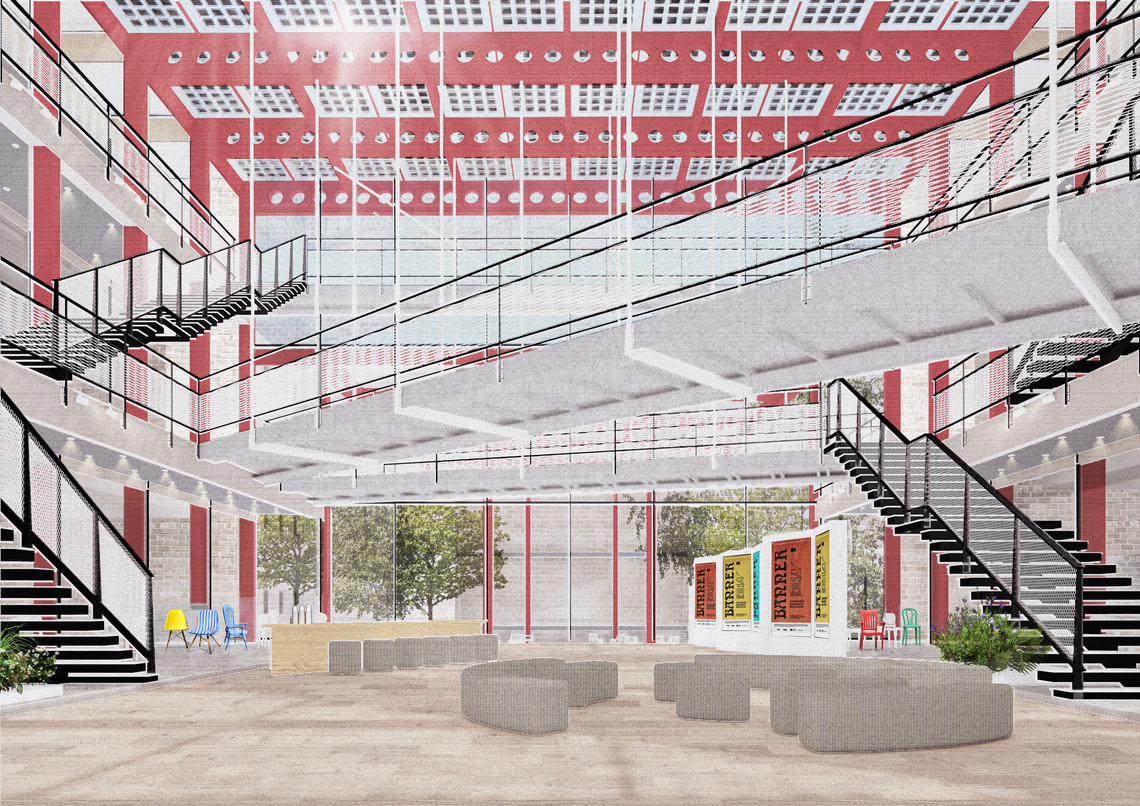
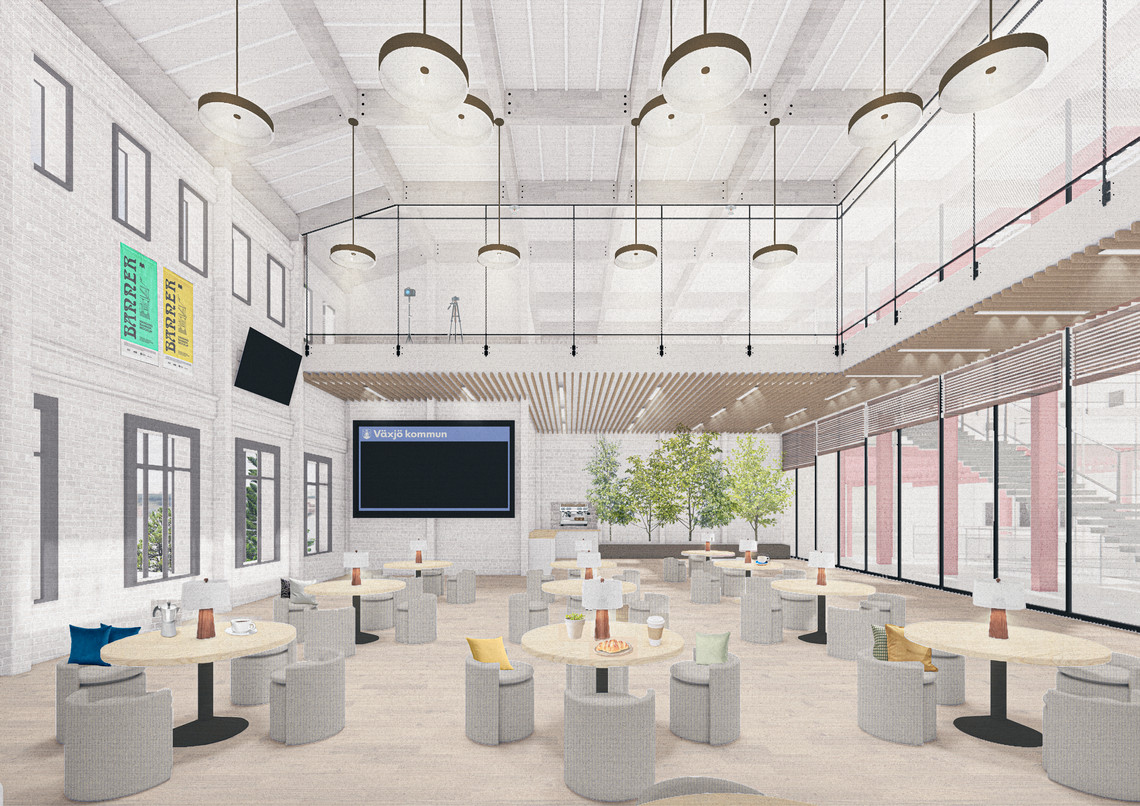
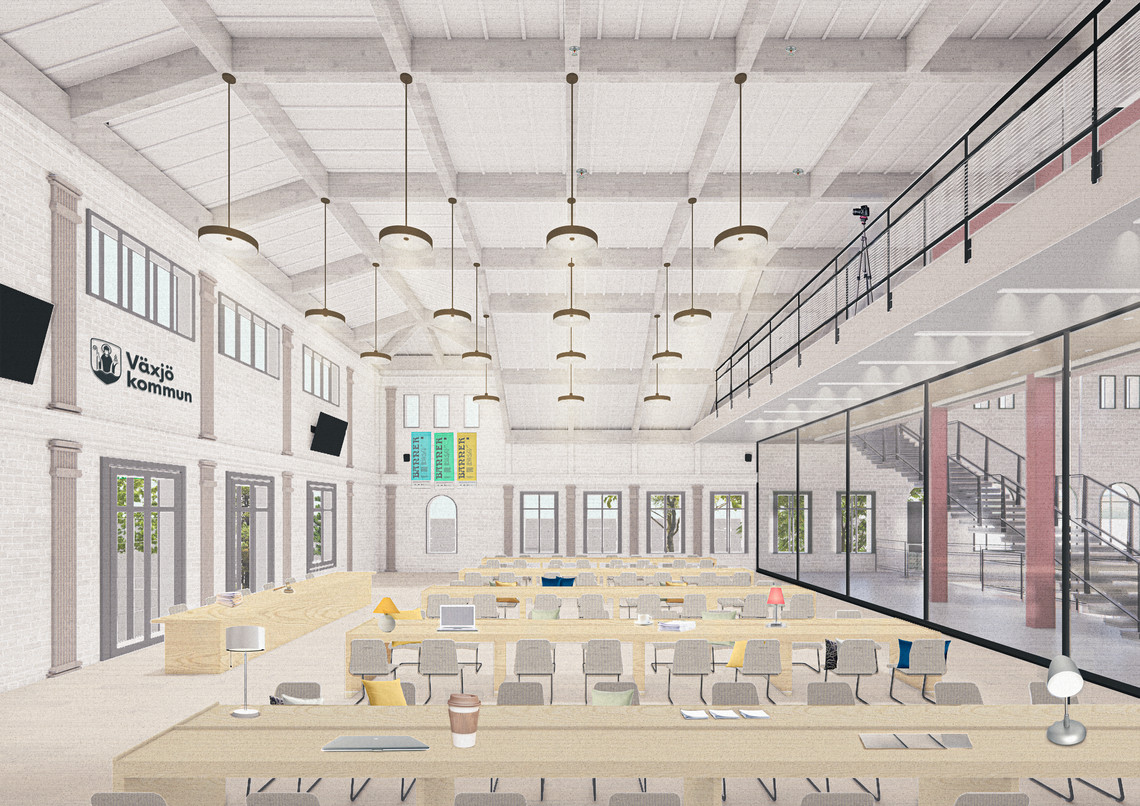
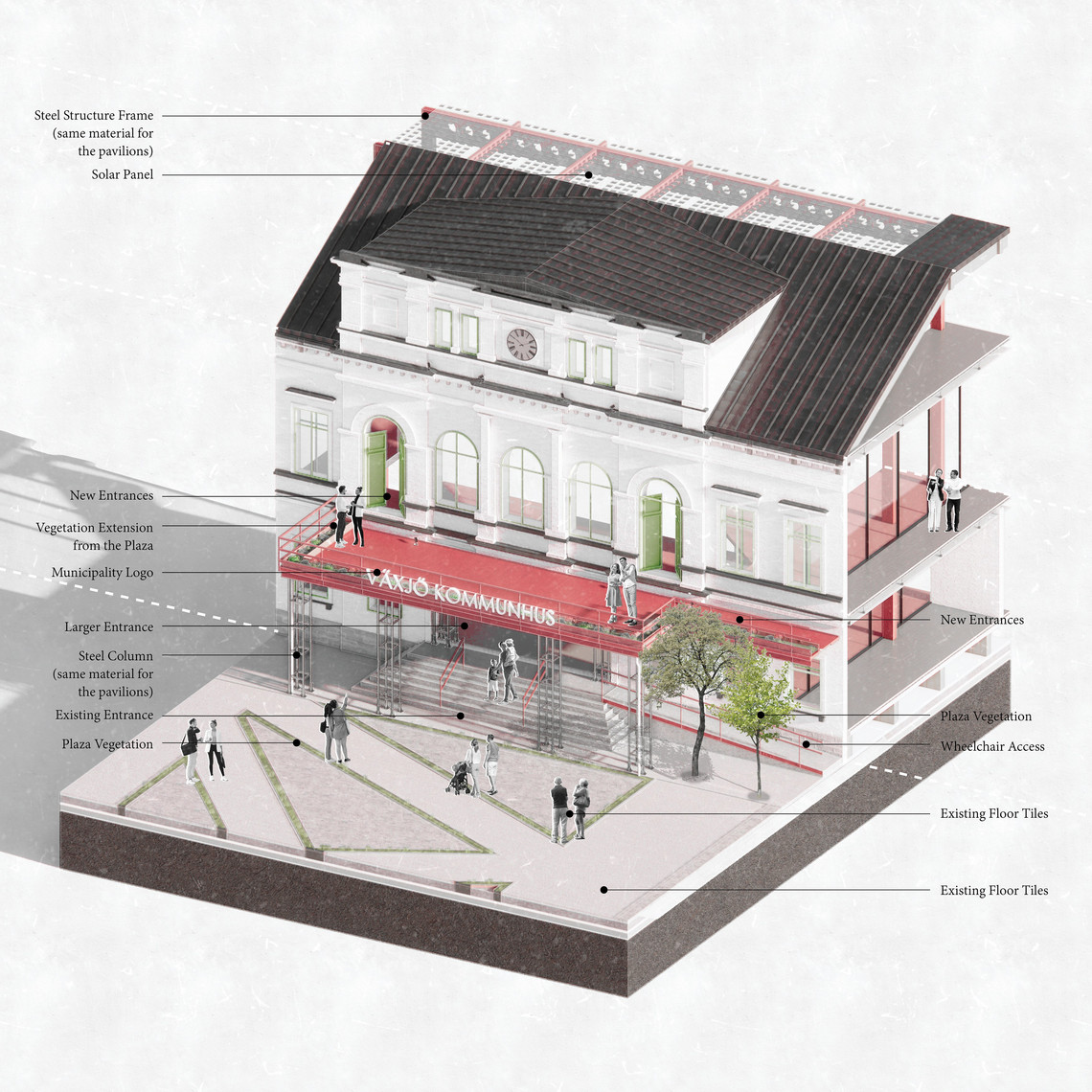
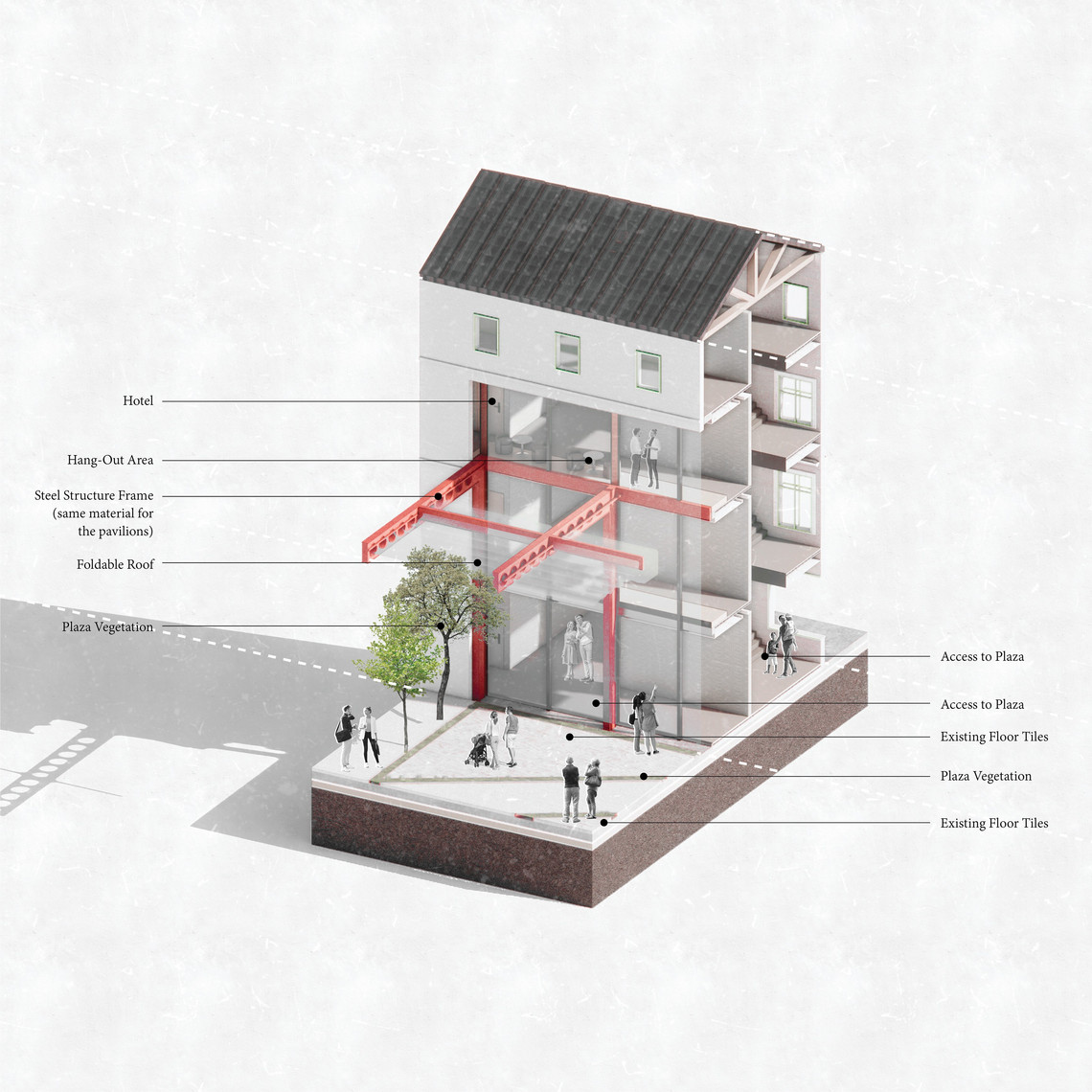
The Formal City Hall, which was a municipal meeting space, is repurposed as a parliament to allow more room for different types of dialogue, including both debating and storytelling.


Together, these two chambers represent a dual-functioning parliament that expands the definition of political conversation. They offer both rational deliberation and empathetic listening, between structured policy debate and the multiplicity of everyday life.

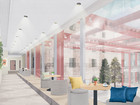
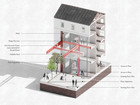
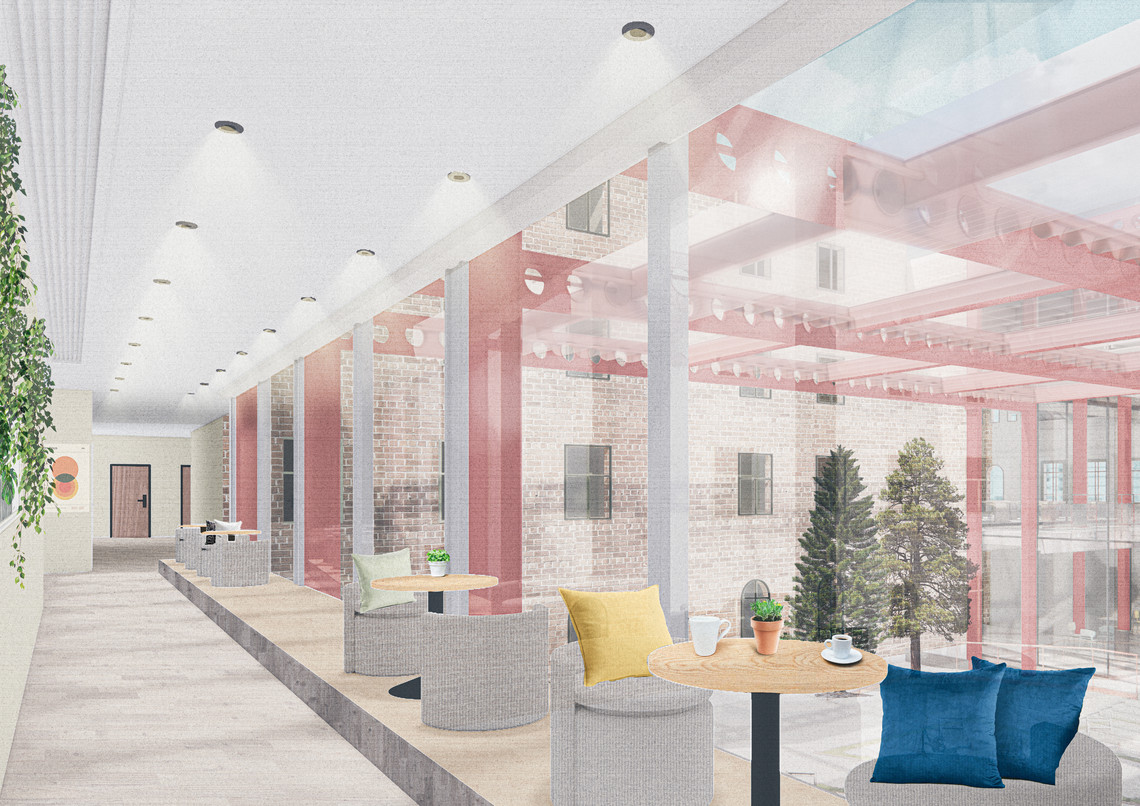
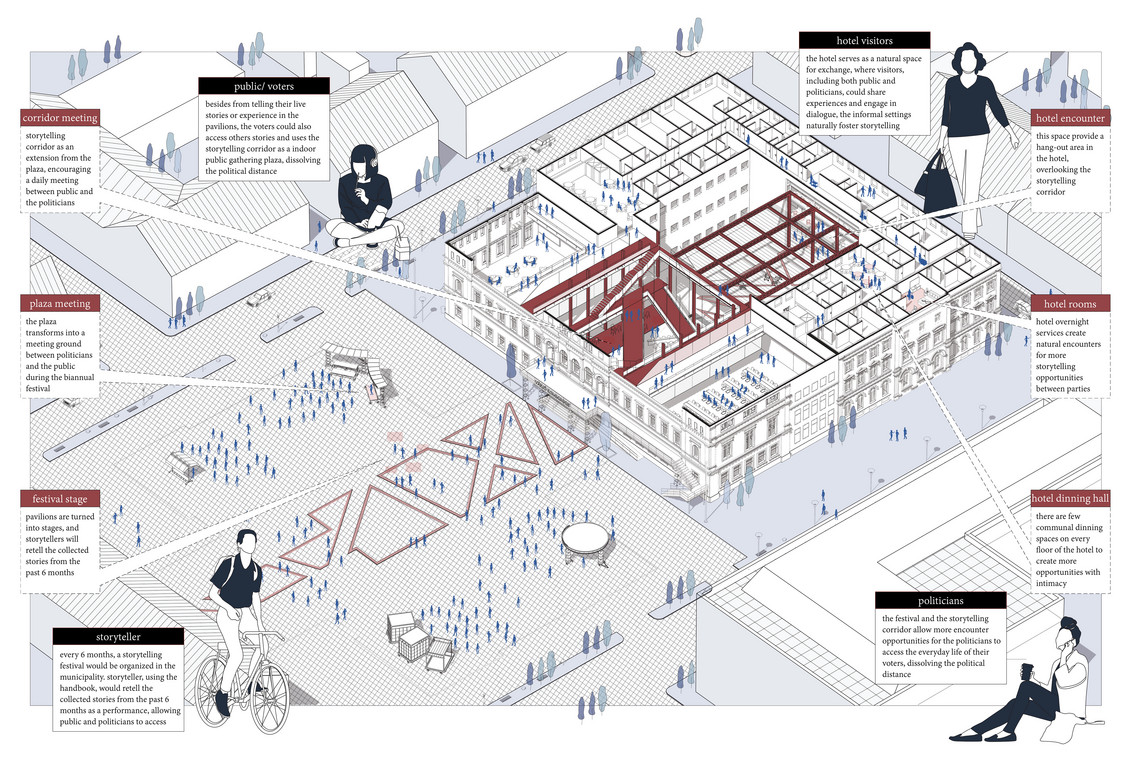
By maintaining hospitality spaces, such as shared lounges and dining areas, the hotel serves as a natural space for exchange, where people can share experiences and engage in dialogue.


[Intervention to Bridge the Divide]
To further reinforce the connection between the people and institutional politics, a Storytelling Festival will be held every six months. This recurring event serves as both a celebration and a civic ritual, bringing together all the stories, creating a space where both the public and MPs can engage with the collected narratives.