A

Situated in southern Sweden, this project dives deep into the tangle of land use, ecology, and economy that comes to a knot in a family-owned sawmill.
It builds on a hunch that there is critical leverage for experimentation in this overlooked industrial site. How can architecture break echo chambers and catalyze transformative relationships between environmentalists and forest industry workers?

“the history of wood is a history of intentionally constructed relationships with the earth, meaning that forests, just as much as cities, are built environments.”
Lindsey Wikstrom, Designing the Forest and Other Mass Timber Futures (2023)

Plural stakeholders, common ground
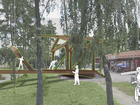
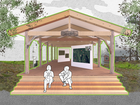
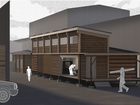
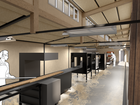
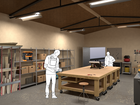
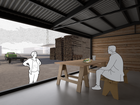
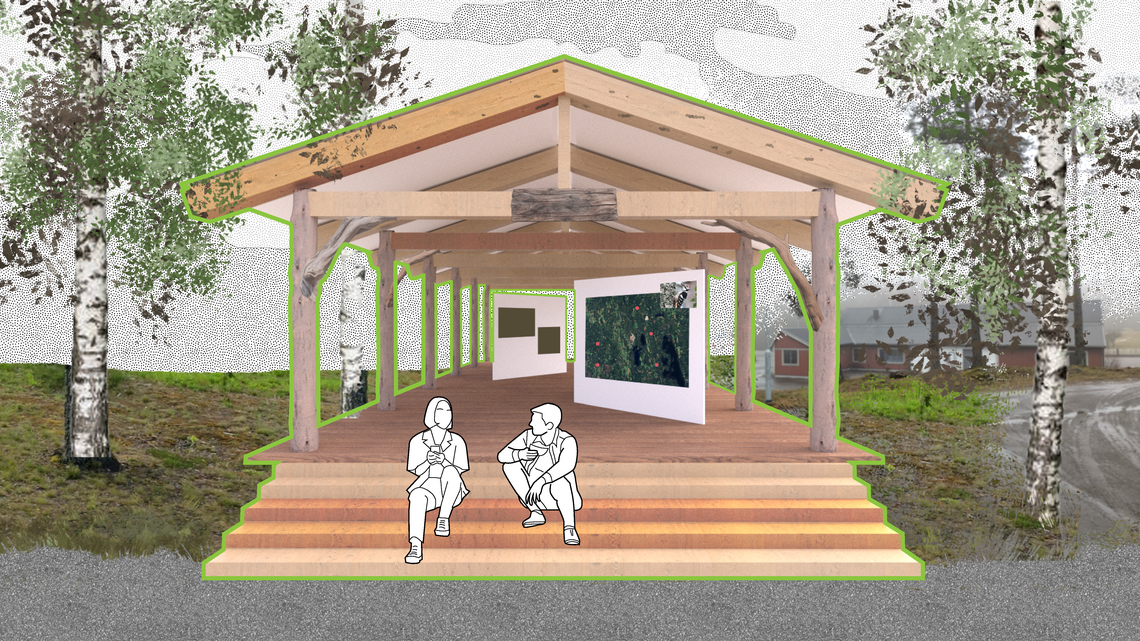
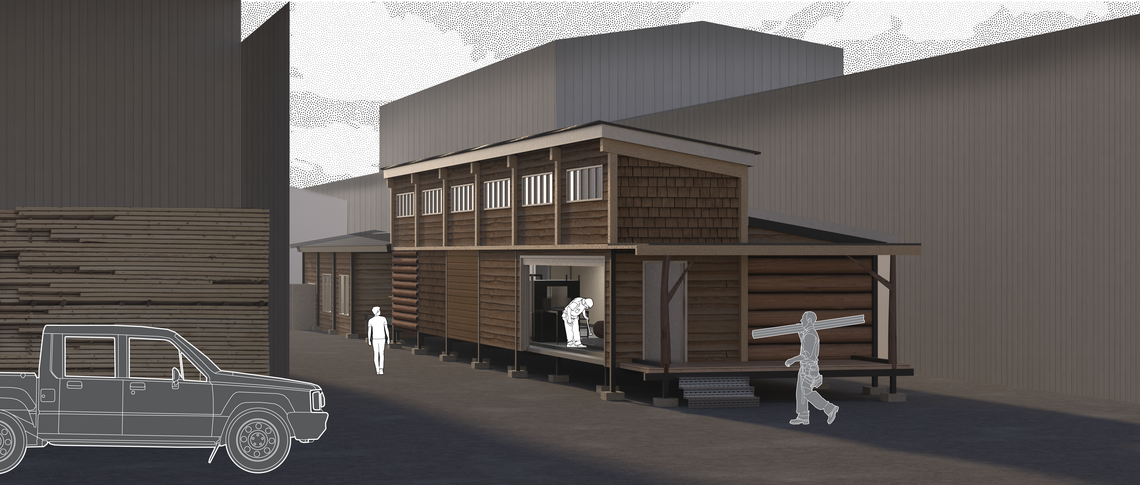
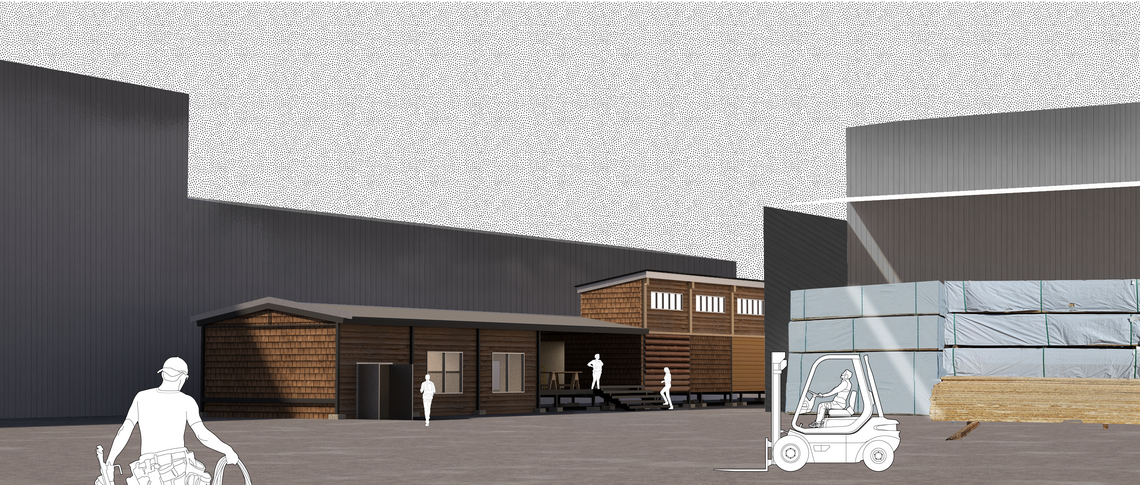
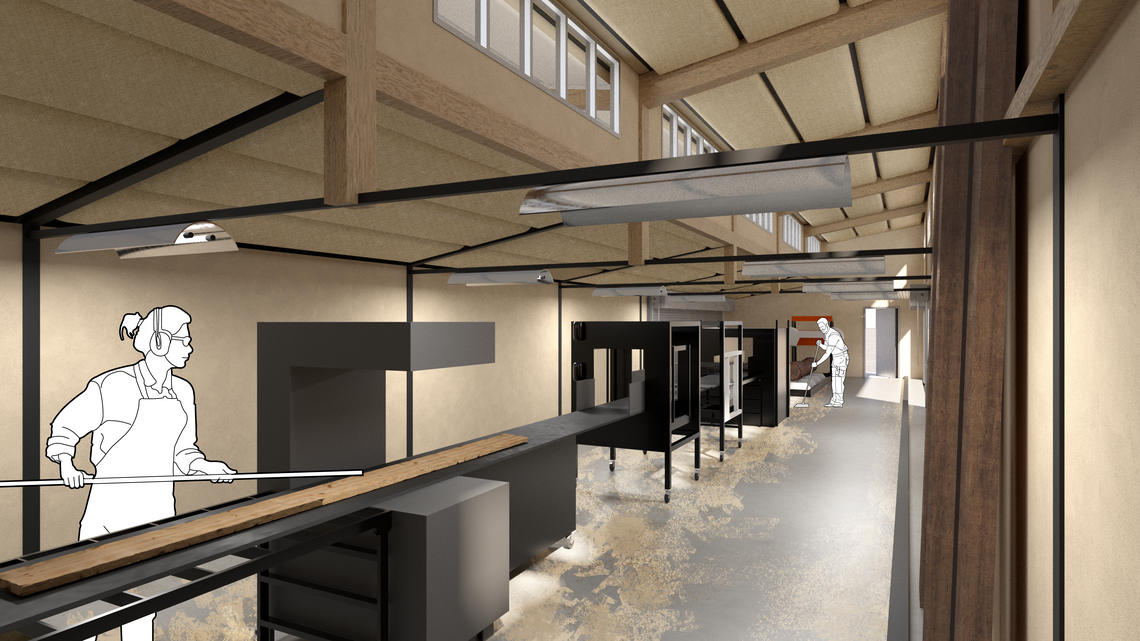
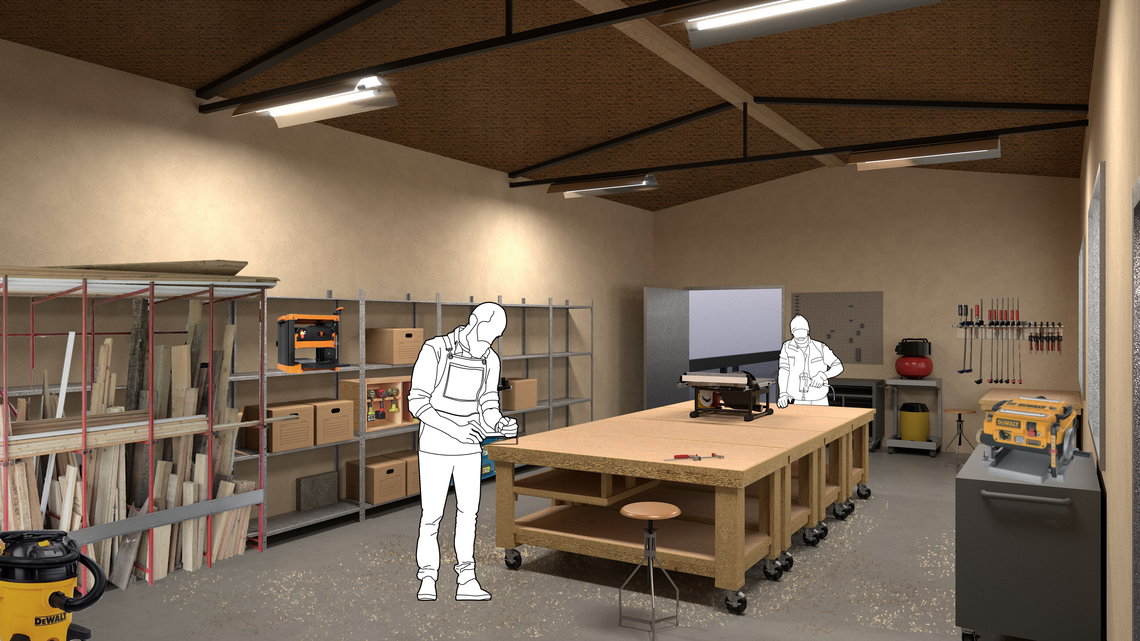
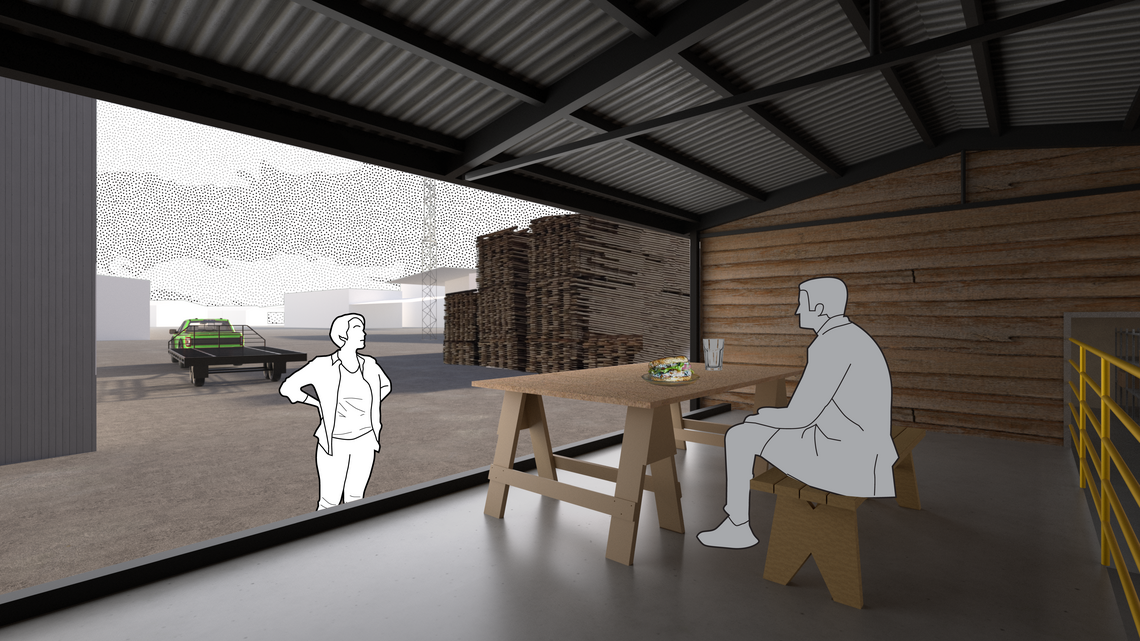
This project proposes two spaces for stakeholders who hold opposing views - a non-compliant wood workshop where architects, timber buyers, and sawmill employees create a new supply chain for undervalued wood products, and a nature center (naturum) that invites sawmill employees, biologists, and foresters to gather & collaborate.


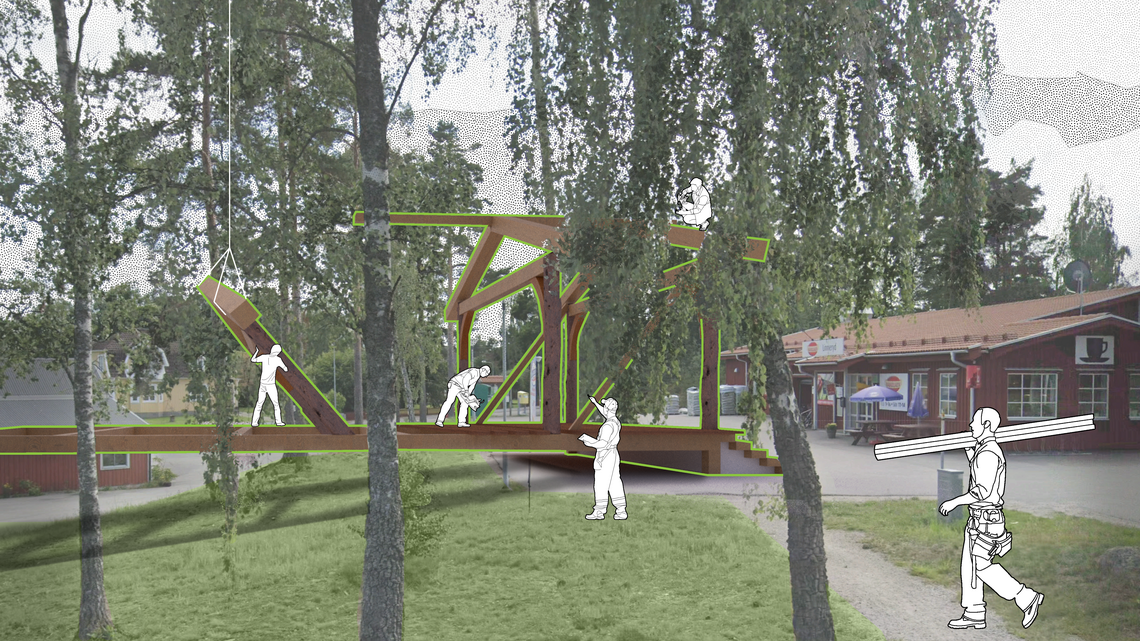
Project concept vocabulary.


Locating the proposal within Sweden, Kronoberg county, the town of Linneryd, and JGA sawmill.


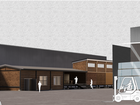
Acupunctural demolition & "grafting" strategy to transform existing derelict steel structure into a sawhall and workshop for non-compliant wood.