A

The world is currently suffering from an epidemic of overconsumption. Large corporations are systematically depleting the earth’s resources, with deforestation, over-usage of fresh water supply, destruction of landmass through mines, and so on. Together with consumers, the overconsumption cycle of produce, buy and dispose is ever on-going.
Fast furniture is a large contributor to the depletion of the earth’s resources. The term relates to the very quick turnover of furniture and the fact that a great number of products are being produced, consumed, discarded and replaced in a short amount of time.
Overconsumption of fast furniture and other products creates a large amount of wasted materials, which, because of a lack of quality, can be difficult to recycle or repurpose. The issue also correlates with increasing socio-economic class division. Higher quality pieces come with a higher price tag, resulting in lower income households having to rely on affordable fast furniture companies for their furniture procurement. The issue here stems from the quality of the pieces, often not lasting for more than a few years, resulting in the need for constant consumption of new products.
As architects and designers, we should always have a sustainable mindset when designing furniture and homes. Sustainably resourced materials, long-lasting structures and efficient planning are essential for the design process. It is also important to consider the usage and future of our design after the project is completed. How is the designed home benefiting the residents environmentally, socially and economically?
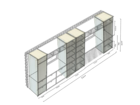
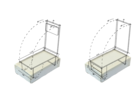
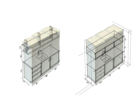
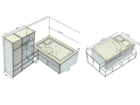
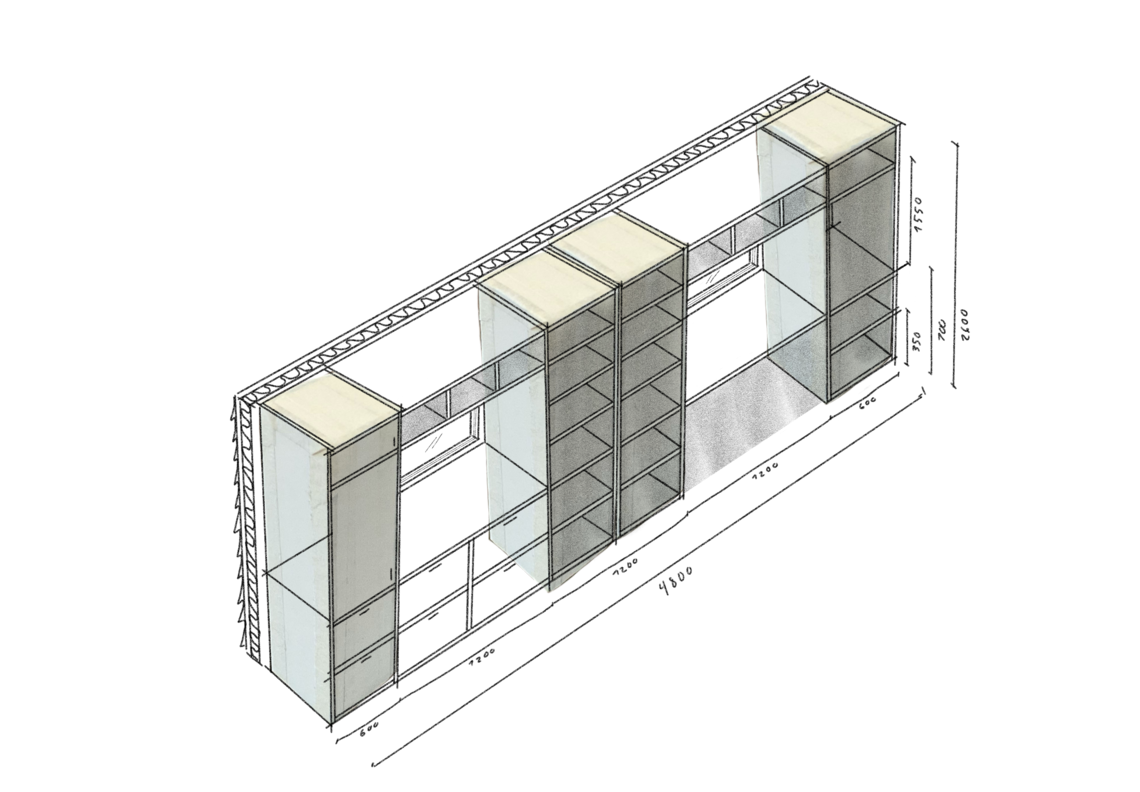
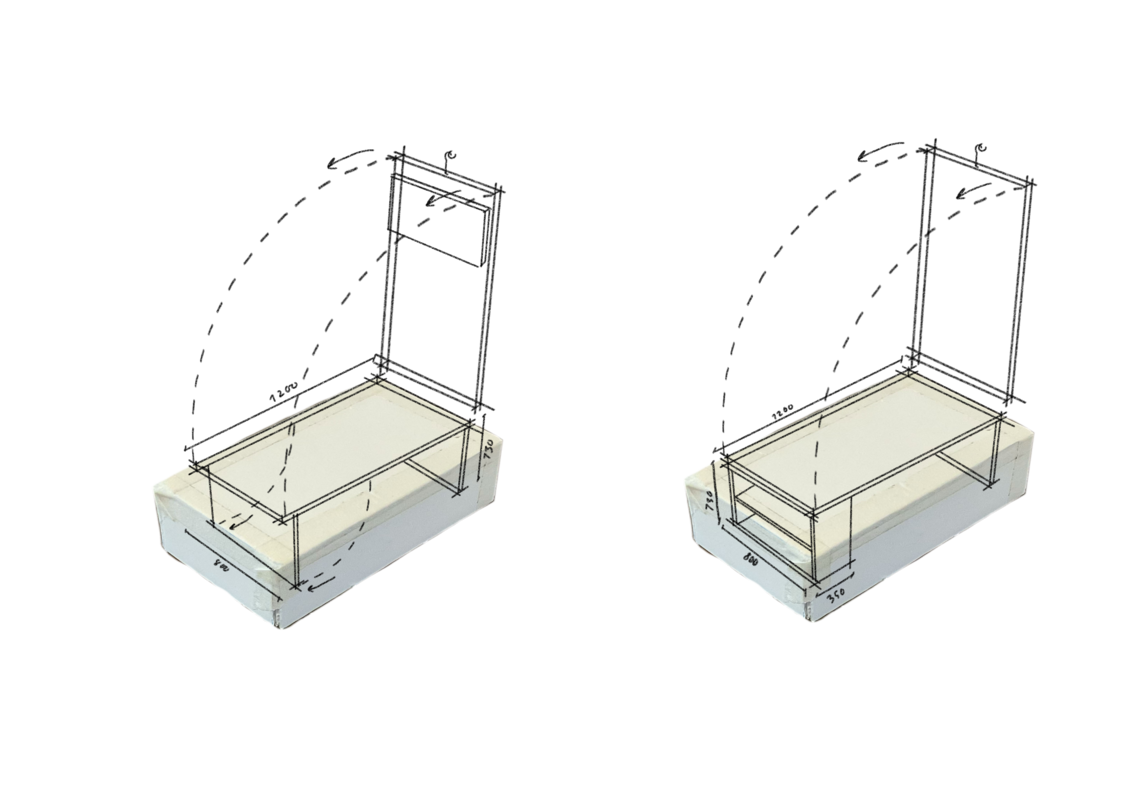
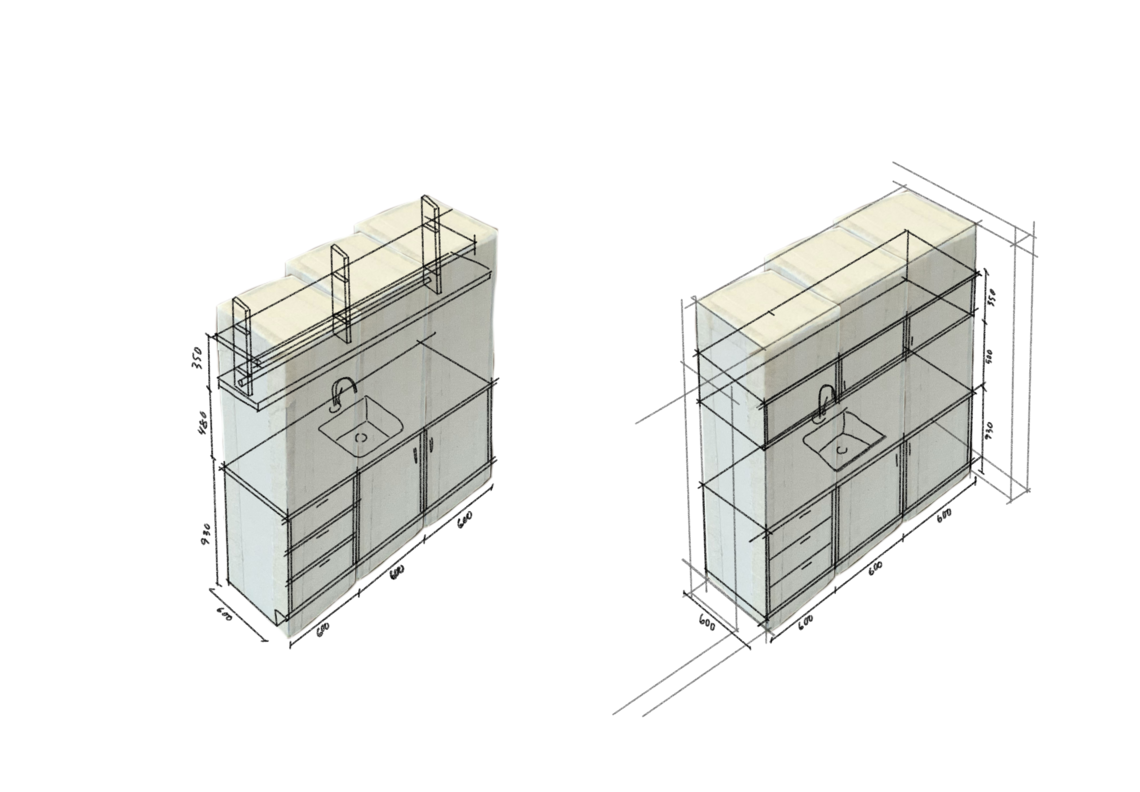
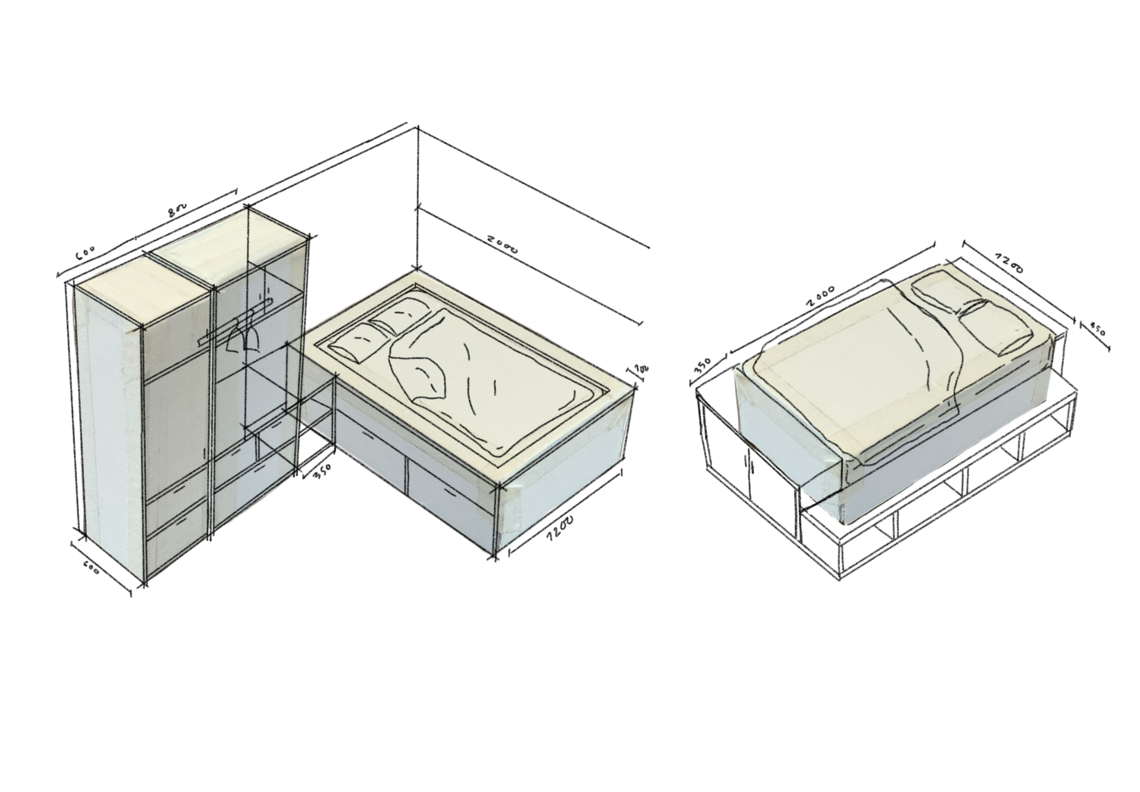
This thesis project offers an alternative solution to how we can design and furnish homes. Working with students as a socio-economic group, where consumption of fast furniture is very common, the project proposes a sustainably conscious design of student housing, where the essential key furniture elements are already built into the apartments, in order to eliminate unnecessary consumption.
THESIS STATEMENT
Through the development of a proposal to design a residential building, I will investigate how we through architecture can develop an alternative way of life, contrasting the current norm of overconsumption of the earth’s resources, while still providing comfortable, affordable and socially active living spaces.
THESIS QUESTION
How can we, through the design of a co-housing project for students in Malmö, create alternative living situations where the architecture itself, both spatially and structurally, contributes to a more sustainable way of living environmentally, socially and economically?


This project is based in Malmö, Sweden third largest city. Historically, Malmö has been a large industrial city, but through several circumstances the industry was moved away from the central parts of the city and has over the last few decades developed into a culturally rich and diverse city, with new residents moving in every year.
Norra Sorgenfri, located in eastern Malmö, is an old industry district, where many buildings were abandoned, when the industry moved out of the city. The main street, Industrigatan, goes through the whole district.
As of today, the plots surrounding Industrigatan are mostly empty, but plans for developing the area are in motion. New residential housing has been built in the last few years in the western parts of Industrigatan, whereas the eastern parts have been torn down, are abandoned or are under construction.


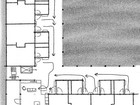
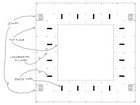
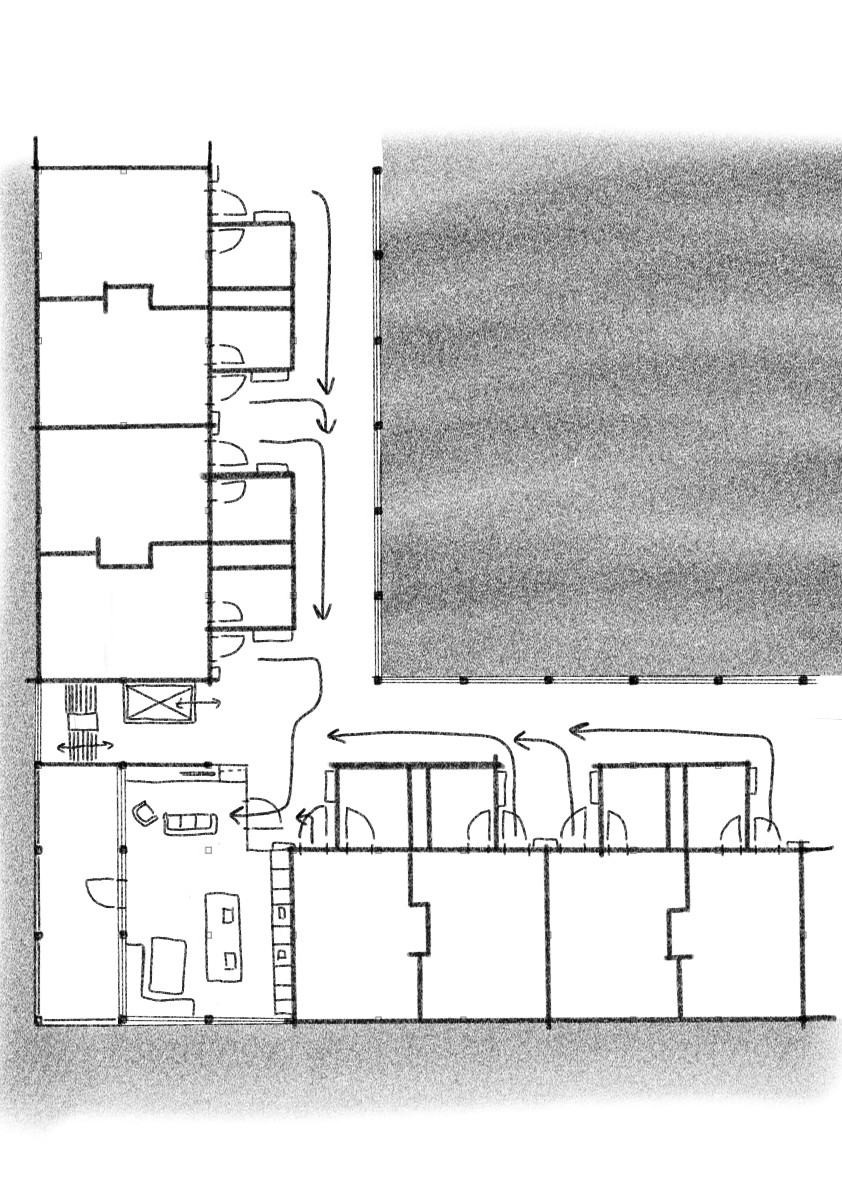
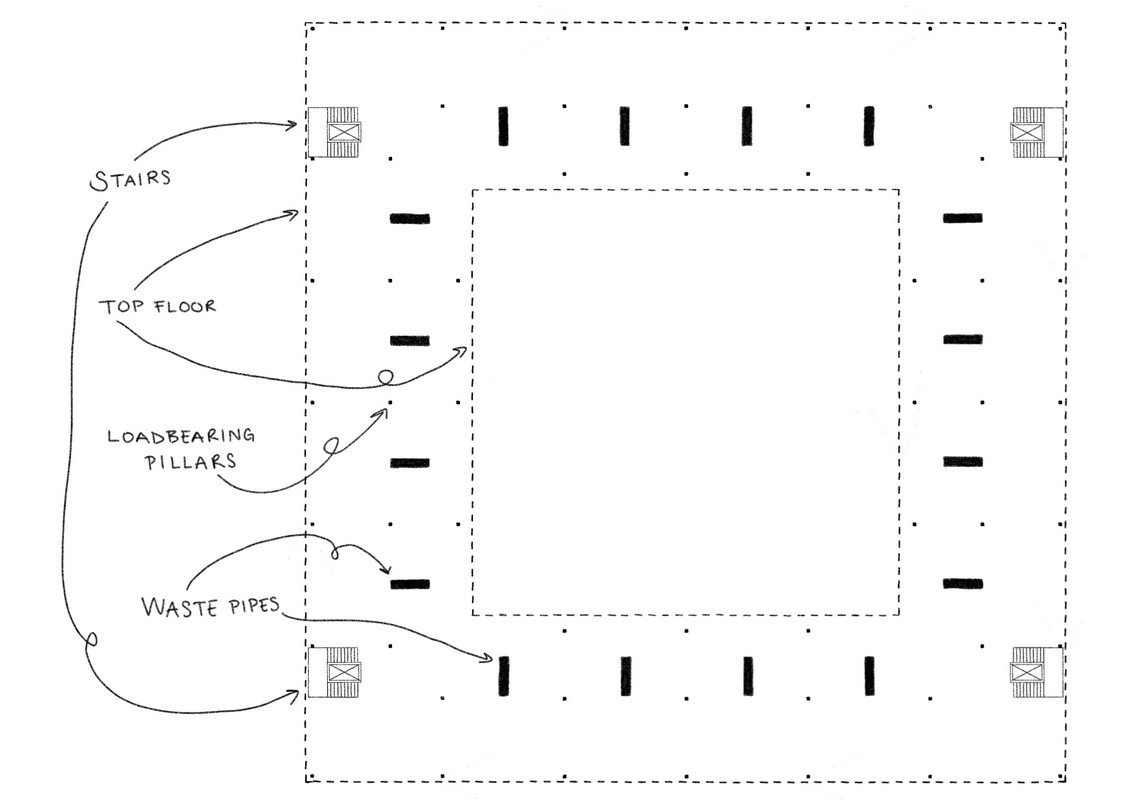
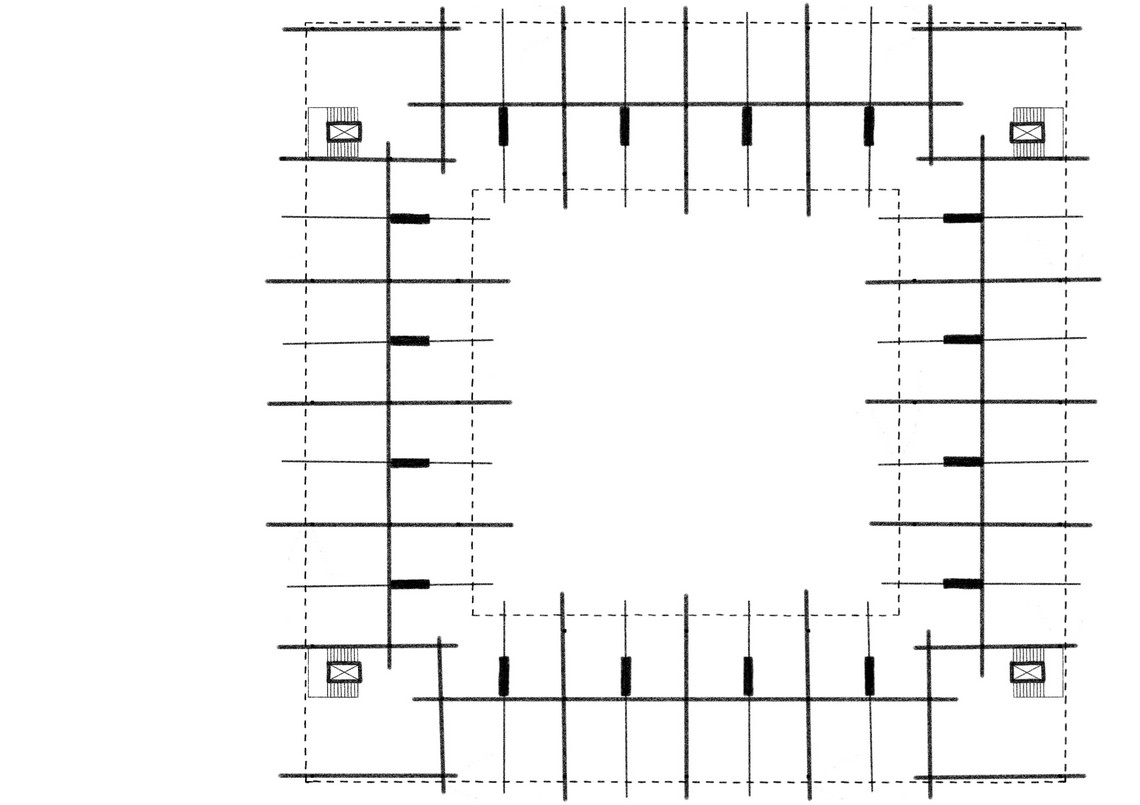
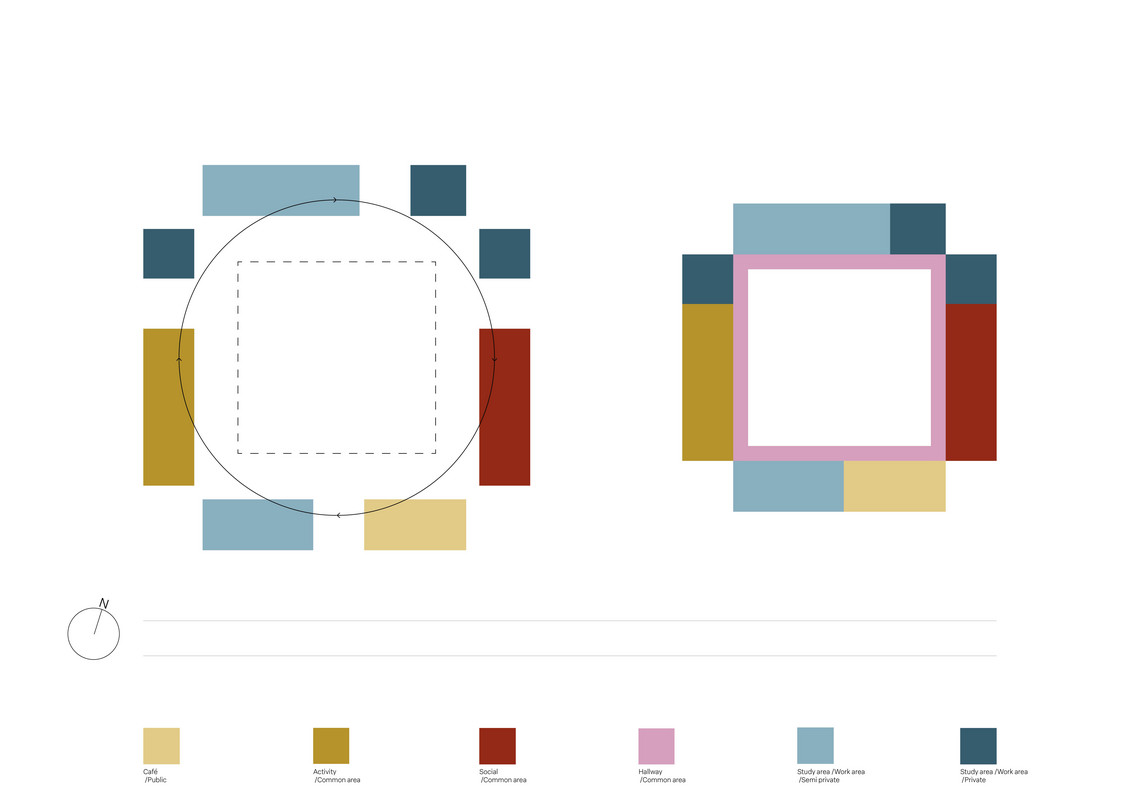
The project was designed from the inside out, starting with the individual pieces and how they work together to shape the layout of the student apartments, rather than the other way around. The rooms together determined the design of the common spaces and the structural concept of the building as a whole.

The title Architecture of Degrowth for this project is based on the concept of designing with a long-lasting and sustainable goal, as opposed to designing for economic growth. In this instance, this project is focused on the design of built-in furniture, in order to oppose today’s overconsumption of fast furniture and the earth’s resources. By designing furniture already built into homes, this would eliminate the need for certain furniture consumption.