A

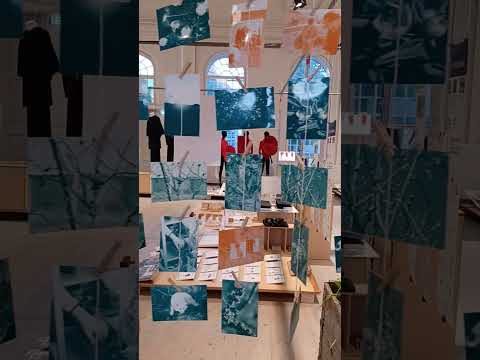
A strategic design project exploring how grassroots spaces can use analogue and hybrid communication tools - like zines, signs, and newsletters - to foster real-world engagement. Tested in Copenhagen’s Garden of Decay, the project offers a scalable model for sustaining participation in community-based entities.
This project began with a pressing question:
How might the communication of a community-based entity be improved to increase member engagement and ensure its vitality?
It’s a quiet question. Not solved shouting on billboards or algorithm-based ads on the Internet but answered in all the quiet forms that care can take when reflected through strategic communication.
This inquiry comes not from theory alone, but from walking, listening and engaging with a multi-species community in a corner of Refshaleøen, where nature is in soft rebellion against order.

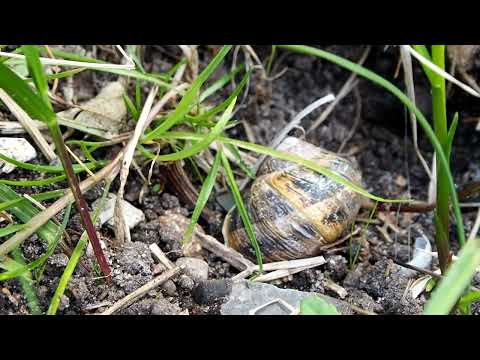
Once a carefully cultivated kitchen garden for the high-end restaurant AMASS, it is now a wilded, biodiverse space quietly reclaimed by time. Its days, however, are counted before an inevitable redevelopment within a decade. Its protection was taken on by artist Seraina Grupp in 2024 - two years after it was abandoned upon AMASS closure. She initiated the TRANSFER community – a volunteer-based group with high turnover due to its largely international composition. While these current stewards protect, celebrate, and tend the Garden of Decay with care – honouring its rhythms and hosting gatherings throughout the year – sustaining this energy requires thoughtful engagement of potential new members and collaborators.


Until now, communication has primarily relied on limited forms which are warm, decentralised, and personal, and held a potential for being deepened, expanded, and diversified.

This project added a dimension of relational strategic communication to the existing relational artistic approach it had. This thesis offers new and adapted modalities of engagement. These extensive analogue and hybrid longer-lasting formats provide deeper invitations to and broader messages about the community, carried out in line with the original spirit of the garden, expanding its cosmos.
From those questions emerged a toolbox of strategic, yet sensitive, tactical communication practices. Each tool (including those exhibited) occupies a specific niche.
Some are ambient and poetic, others are functional. Together, they create a layered communication ecology; adaptable, scalable, and grounded in relational care.
What’s offered here is not a rigid formula, but a flexible constellation of tactics:
A framework that can be adapted to any grassroots organisation. Whether their work grows from the soil or from spreadsheets, from shared meals or from advocacy, this framework meets them where they are: messy, temporary, underfunded, and full of potential.


Through relational workshops, and co-design, this work has tested the hypothesis that they can contribute to further invite and sustain in-person participation on the long-run.
How do you grow a community without being controlling?
How do you stay legible to newcomers without becoming generic?
How do you communicate the true value of a community and place to the right people?


What’s offered here is not a rigid formula, but a flexible constellation of tactics:
A framework that can be adapted to any grassroots organisation. Whether their work grows from the soil or from spreadsheets, from shared meals or from advocacy, this framework meets them where they are: messy, temporary, underfunded, and full of potential.
It includes design criteria for each element, and proposes measurement of success not by conventional analytics, but by quieter qualitative and quantitative metrics.
Through this, the project suggests that communication is not just logistics or outreach. It is infrastructure for belonging.
When designed with intention, communication becomes a form of stewardship, a way to hold space for slowness, trust, and shared growth.

This framework helps temporary places feel rooted and gives fragile communities a stronger chance at lasting.
And so, this thesis is not only about a garden: It is about the quiet but radical idea that how we speak about our spaces can shape how they can be cared for.