A

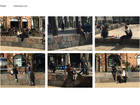
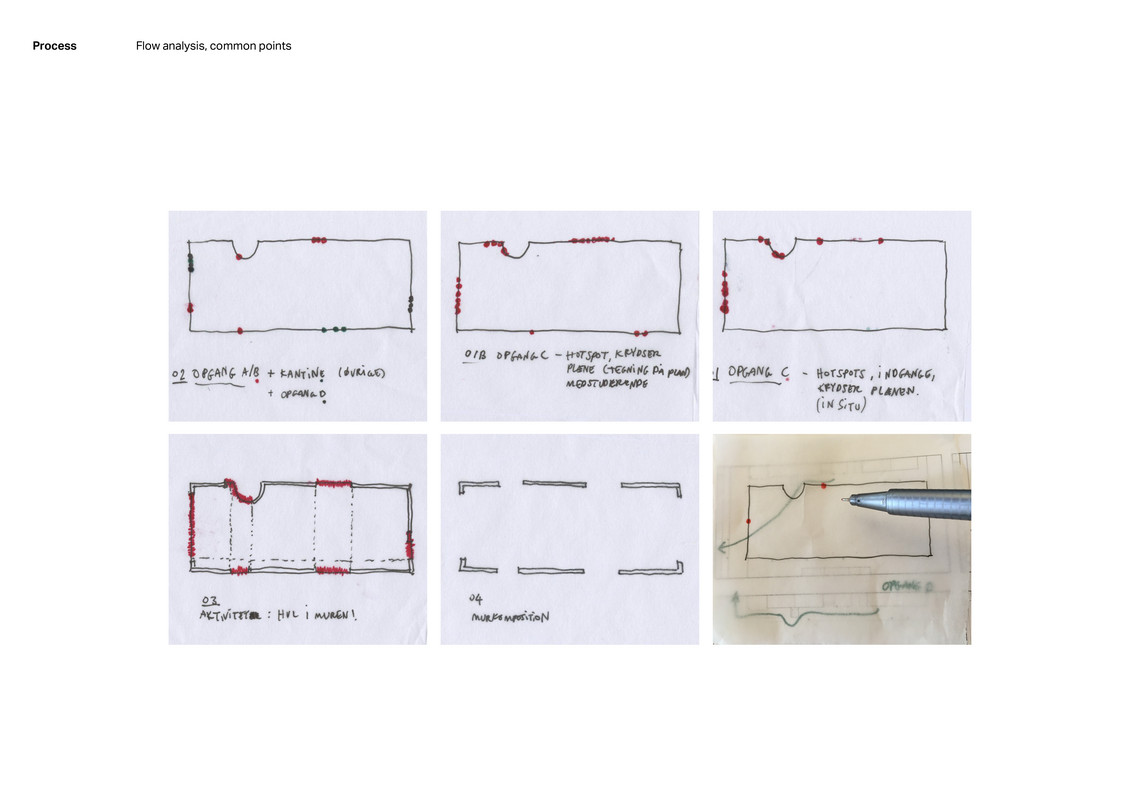
A framed space situated in the heart of Royal Danish Academy campus. The project explores the potential of space in a shifting wall structure. Værket is up for interpretation: its function and spatial qualities are determined by the user’s need; the need of space, gathering and expression.


How can we create a space without a specific program;
a space that invites and inspires for different kinds of activities and stays?


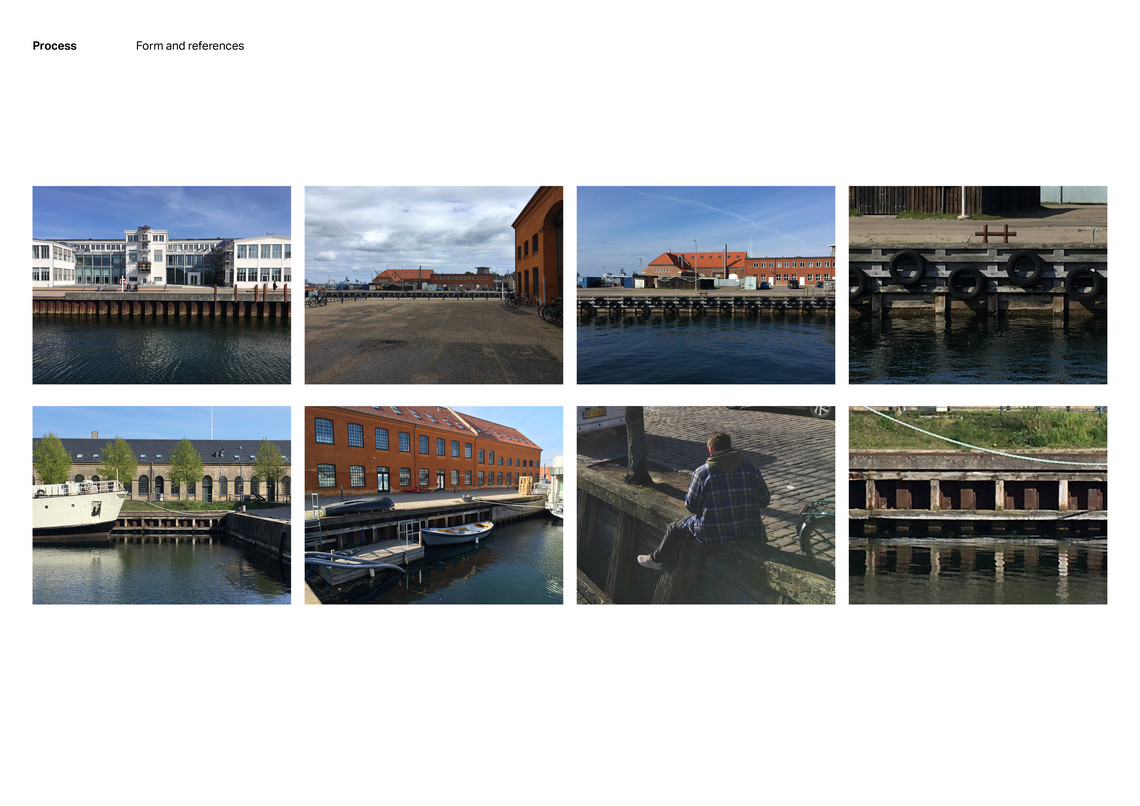
Værk, the Danish definition: Bolværk (bulwark), træværk (woodwork), activity, a place for creation, a work place.


The intention of Værket is not to tell how to use it. The familiarity in materials, visuals and relation to the body appeals and communicates how to use it naturally.

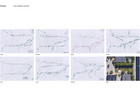
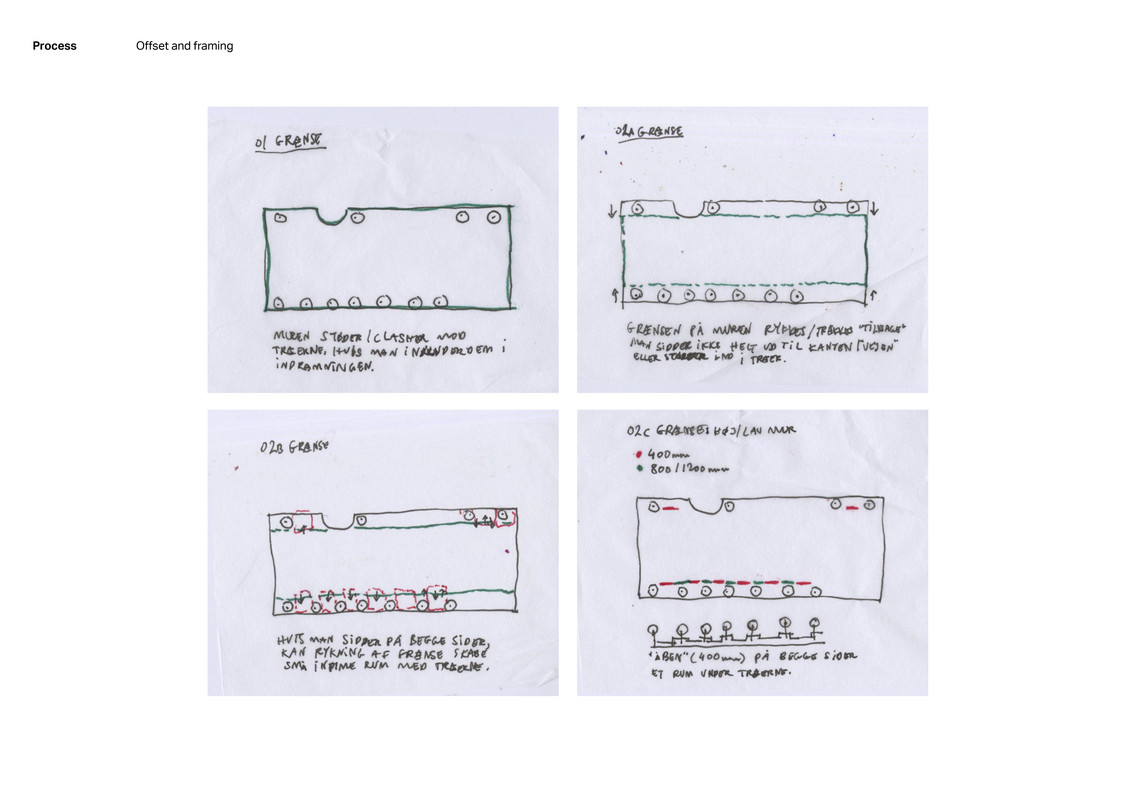
The base module is repeated in a consistent rhythm horizontally. It varies vertically and can be in different heights: 40cm, 80cm and 120cm; heights related to the body scale. It can be interpreted as a seating element, a table element and a spatial element.

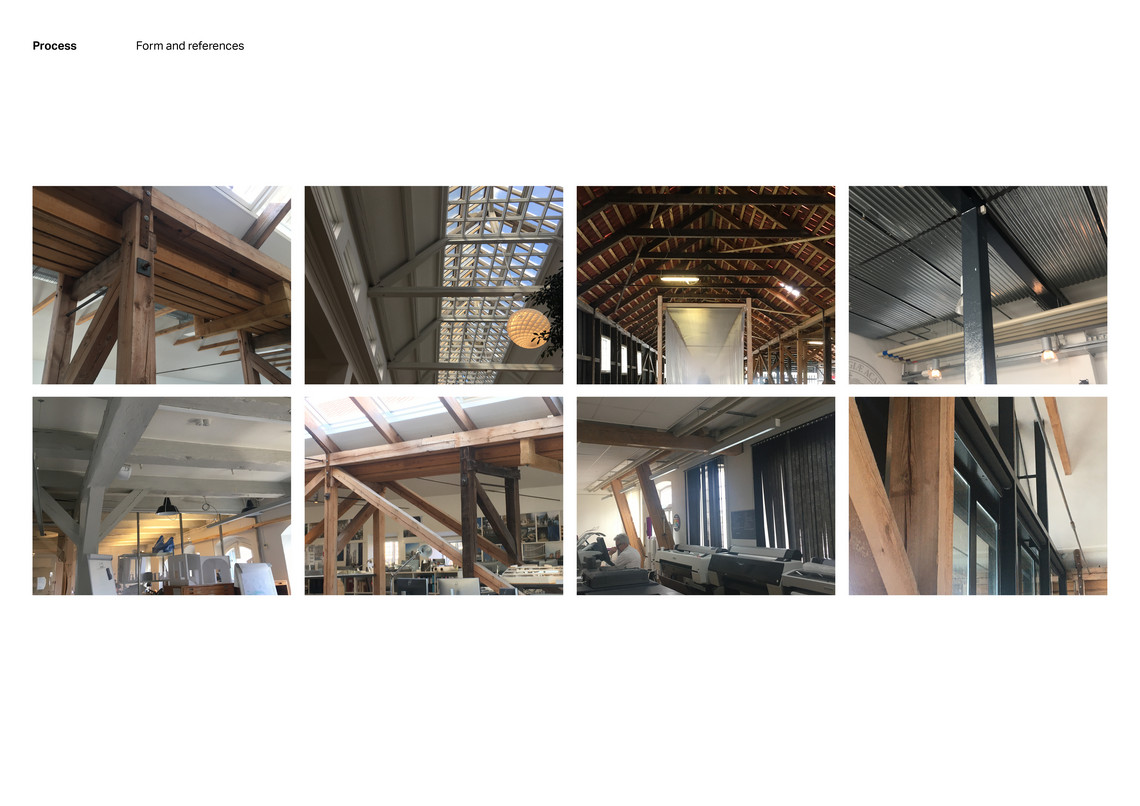
Materials: Oak or Robinia, joined together with steelbolts, screw threads and washers and casted in concrete.
15x15cm thick wooden beams are joined together with common wooden techniques "bladning" and "tap".