A

A boom in mobile phone technology is rapidly transforming urbanity across Kenya. This thesis looked to the existing informal public spaces of the Mawingu Networks Wi-Fi Kiosk to harness that growth and to develop alternative ways of approaching urbanism. These public spaces are transformed into centres of distributed infrastructure, which allow citizens to organise, learn and play on matters they deem necessary; through their mobile phone.

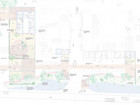
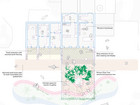
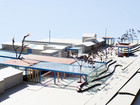
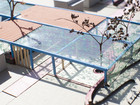
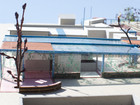
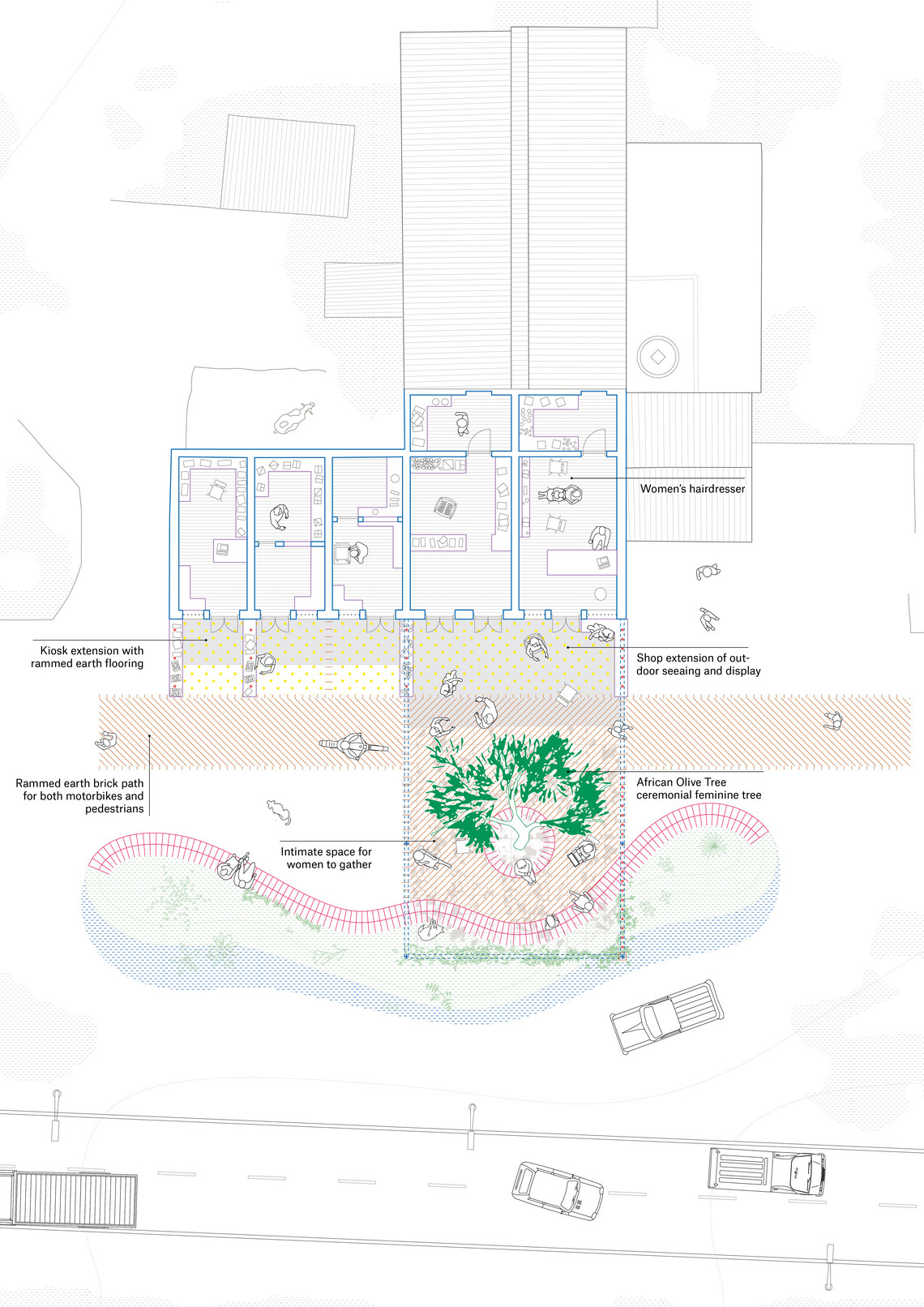
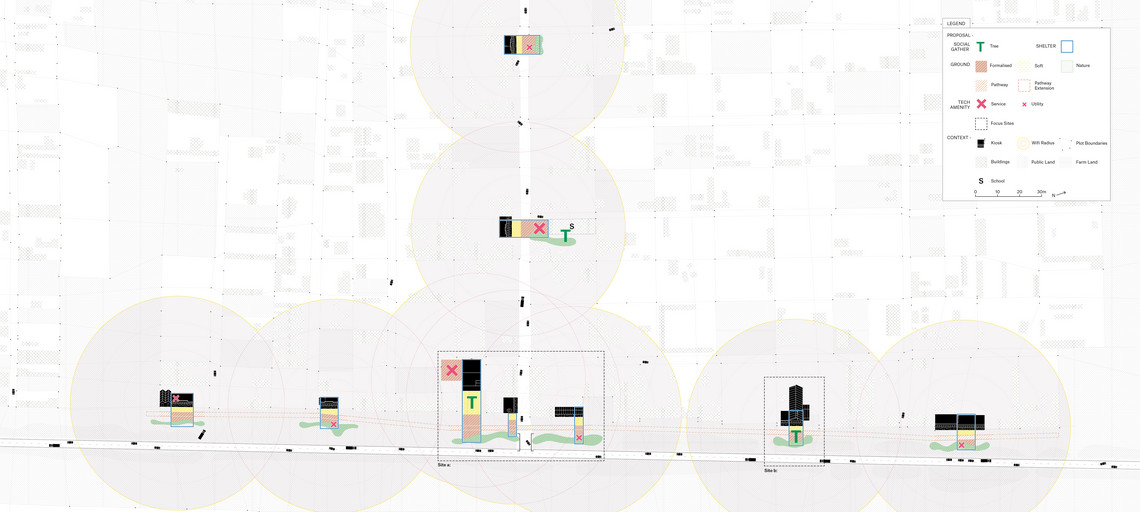
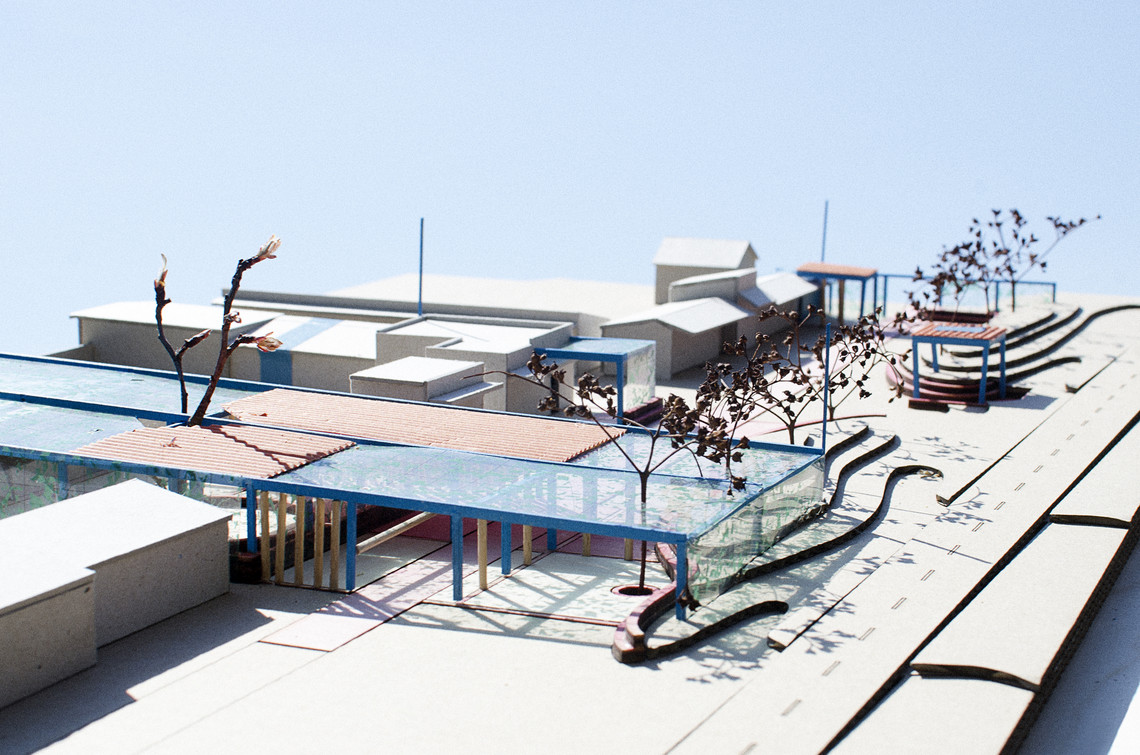
The public land adjacent to the Mawingu Network Wi-Fi kiosks create valuable civic centres, for a town which holds little. However, these spaces remain unplanned and underdeveloped, sitting on the informal and dusty roadside. This project looks towards ways of developing the latent potential of these hybrid spaces, creating new organisational nodes within the Ichuga neighbourhood of Nanyuki.


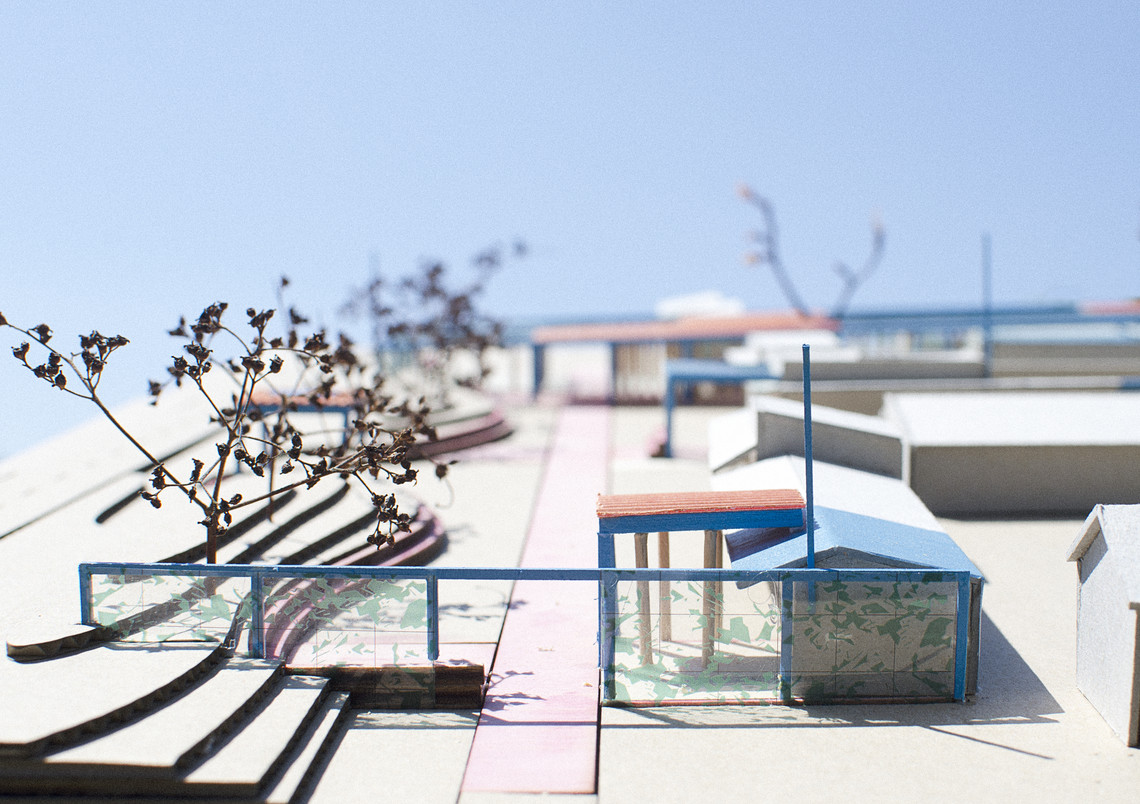
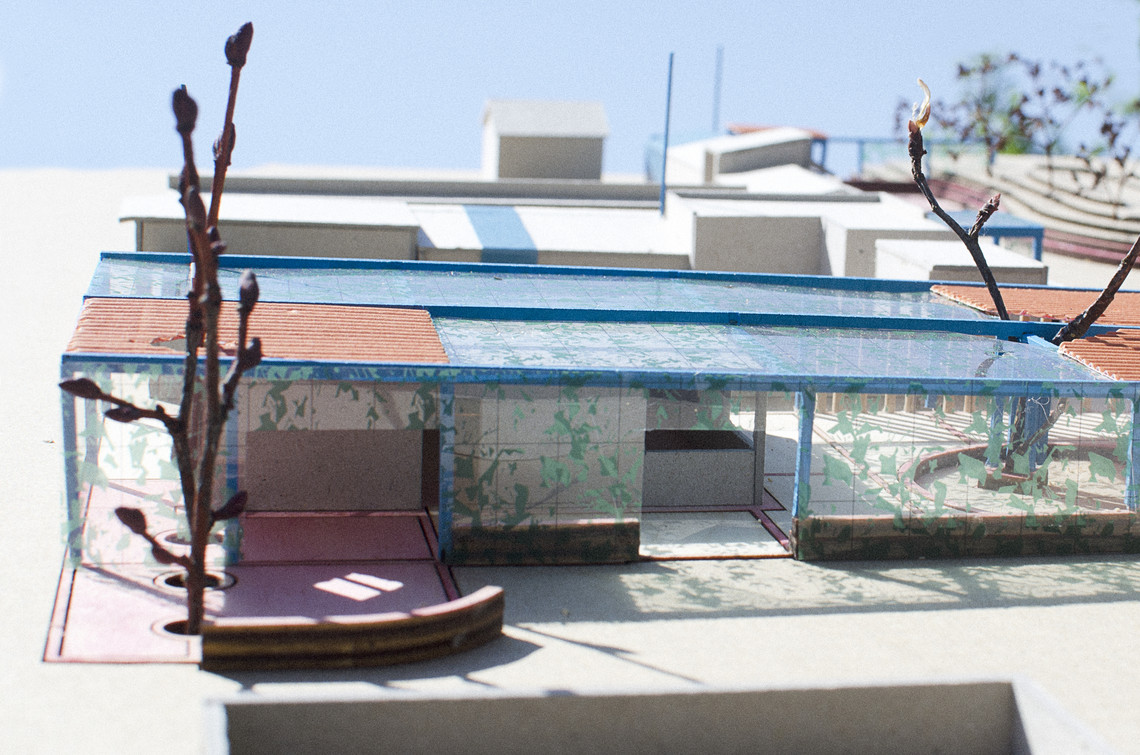
The transformation of the architectural emblems of the kiosk has the potential to create a new focus for the community, one that encourages organisational capacities beyond the existing non-spatial communication with the digital.


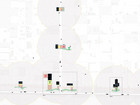
The varied interventions at specific kiosks should, when observed together, formulate a heterogeneous network of public spaces that empower one another. This architecture aims to make people stop, talk, interact and engage with the civic. This hybrid space links the societal needs of the local urban environment with the global information provision of the mobile phone internet access.