A

Abstract
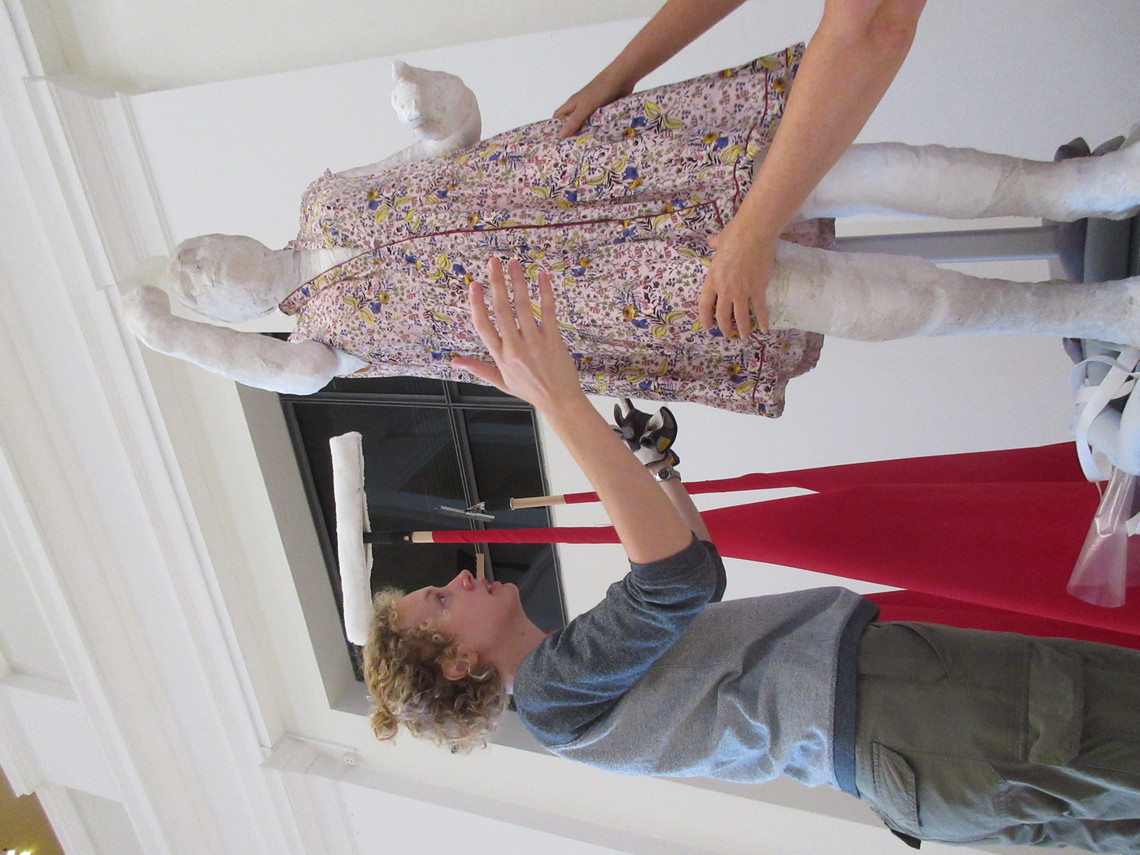
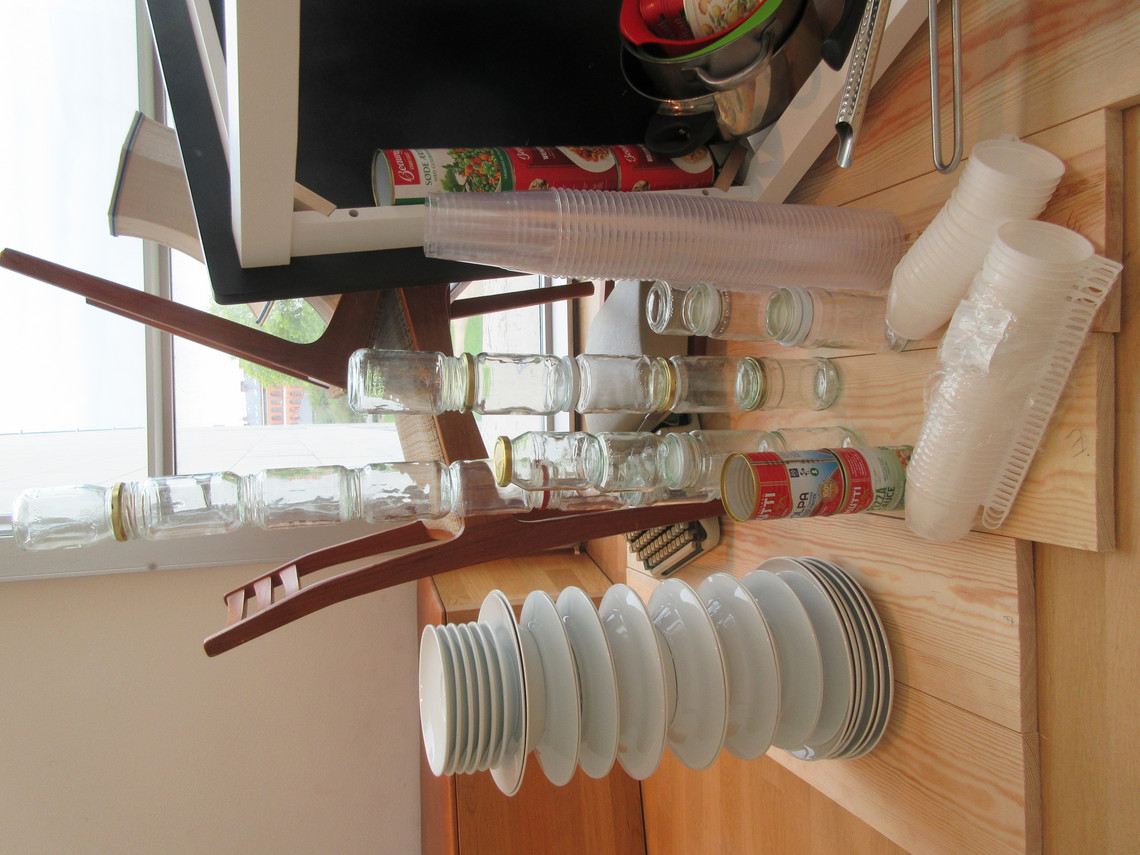
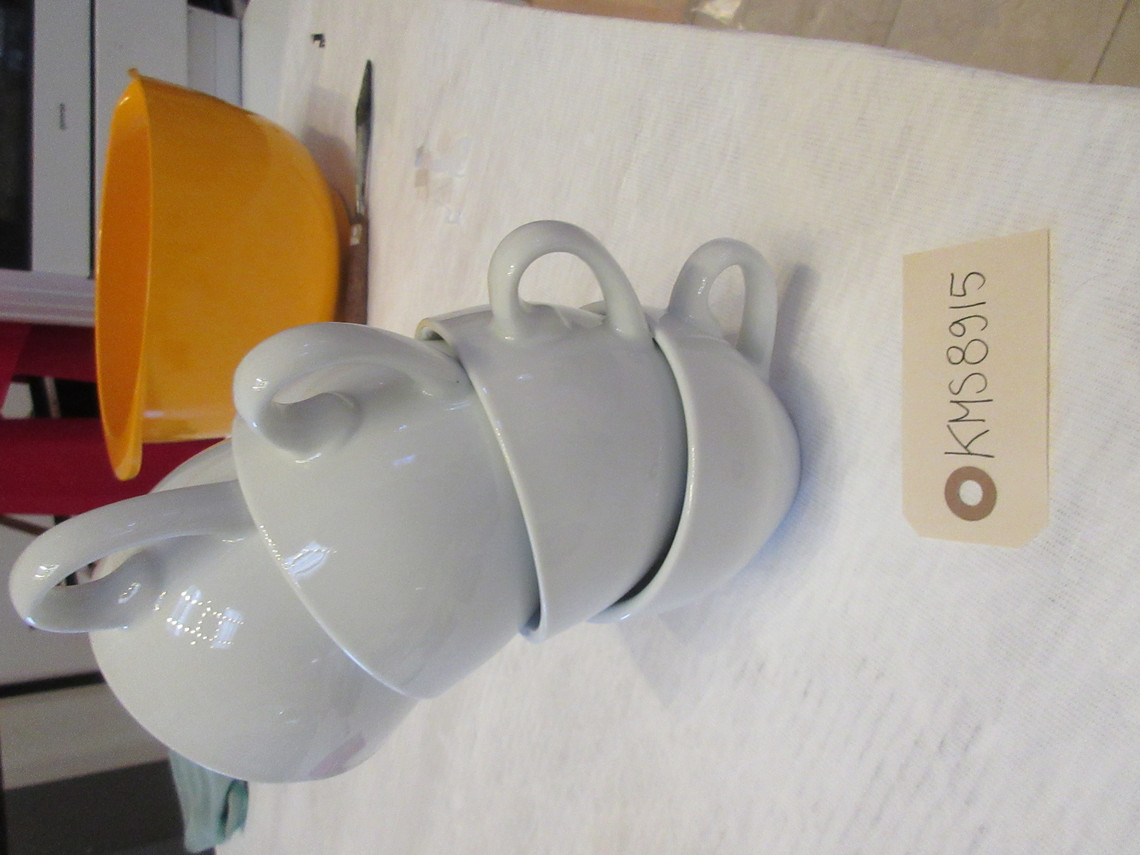
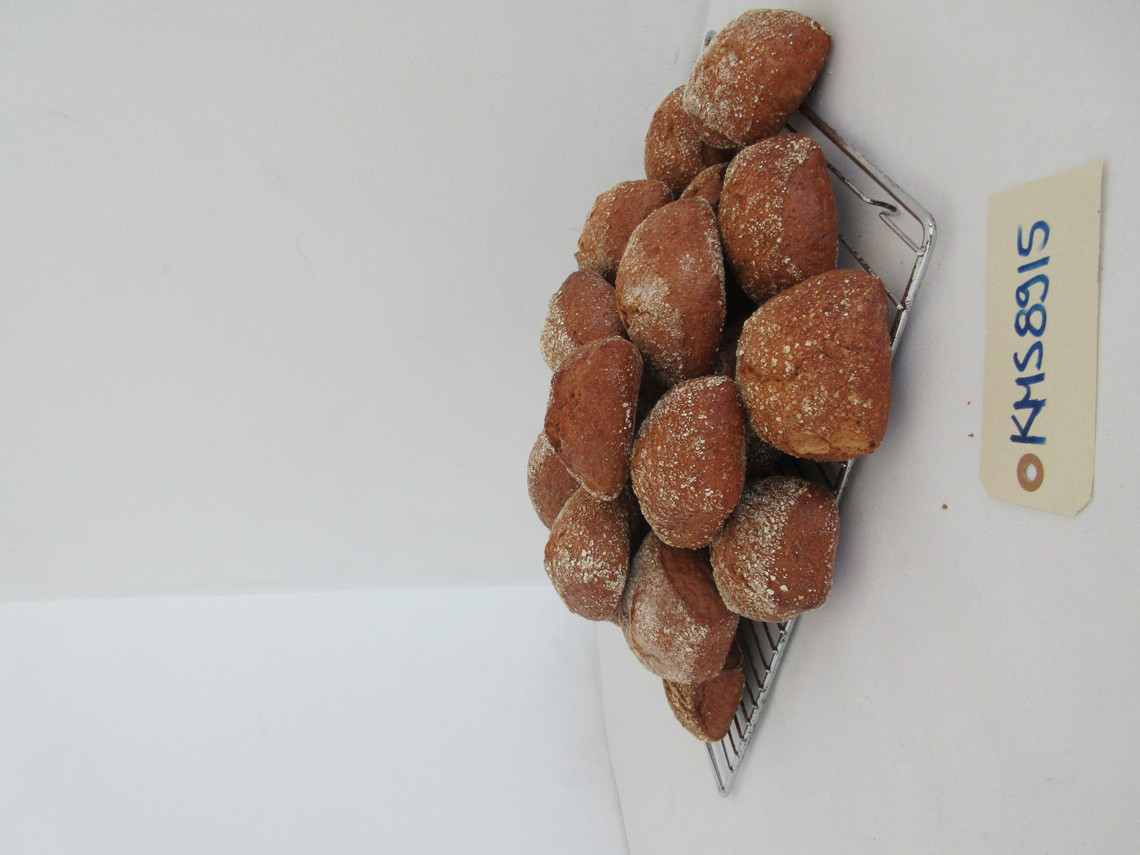
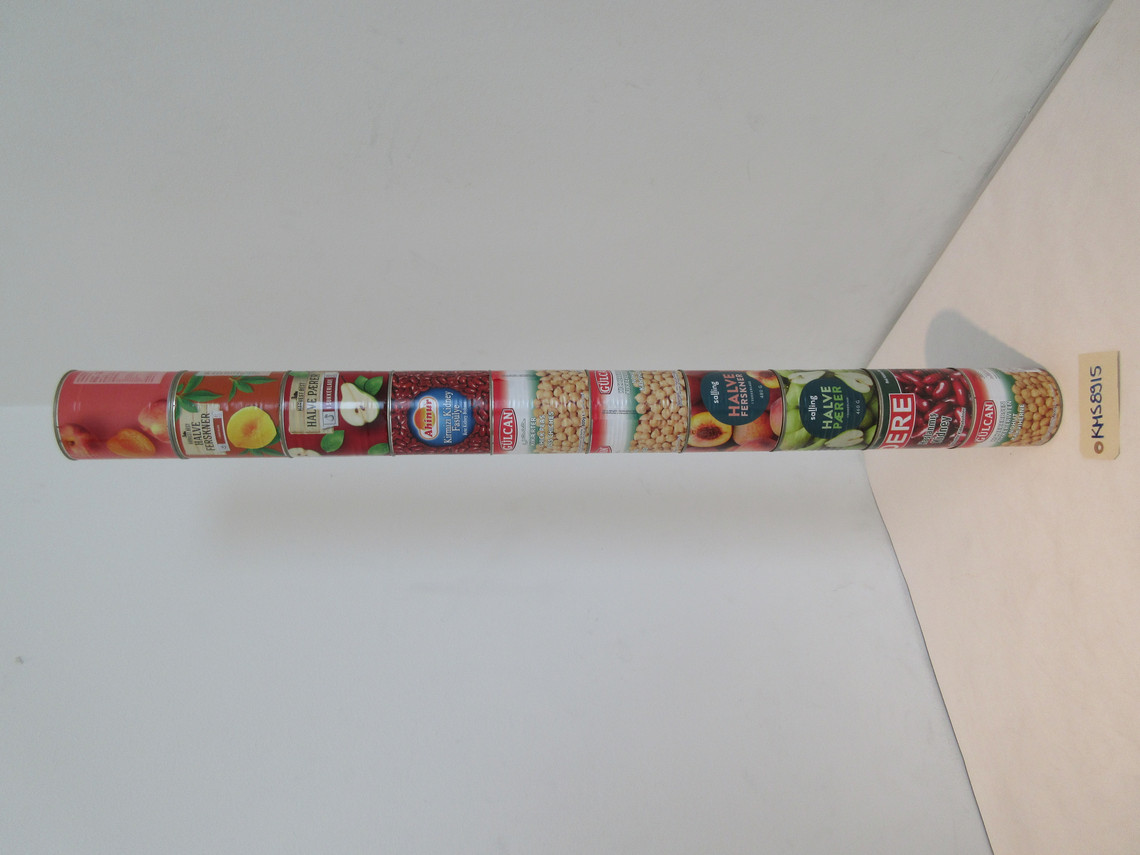
This master-thesis examines what tools and methodology the conservator can use when assigned the task of doing a complete reconstruction of a complex installation artwork. The discussion centres around the specific case of reconstructing the artwork Tingene, Din Historie, Befri Dig for Tingene (Friheden Fører Folket) by Danish artist Lene Adler Petersen (f. 1944). The artwork was bought by the National Gallery of Denmark in 2019, at this point, the artwork only existed in immaterial form through the memory of the artist and the photo documentation of the original physical manifestation of the work in 1976. The thesis asks how the concept of the artwork can be restored in its new manifestation in 2021. It attempts to answer this question through examining the context of the artwork by looking into its creation in 1976, the meaning of the artwork and the aesthetic logic in the artwork. To narrow the focus two topics are investigated: Intent and authenticity. To understand the influence of the decision-making during the reconstruction, a self-analysing approach is applied throughout the practises. Here, the research also seeks to understand the influence of the museum context under which the work is undertaken. Through a systematic approach to the research, interviews with the artist and working practically with the material, it is found that the concept of the artwork can be re-established. The research also shows that the conservator of contemporary art has to adopt a many-faceted approach in her praxis in order to capture the concept of the artwork, so as to be able to preserve it.


The work can be seen at the exhibition:
After the silence - Women of art speak out
28. august - 21. november 2021
SMK - National Gallery of Denmark
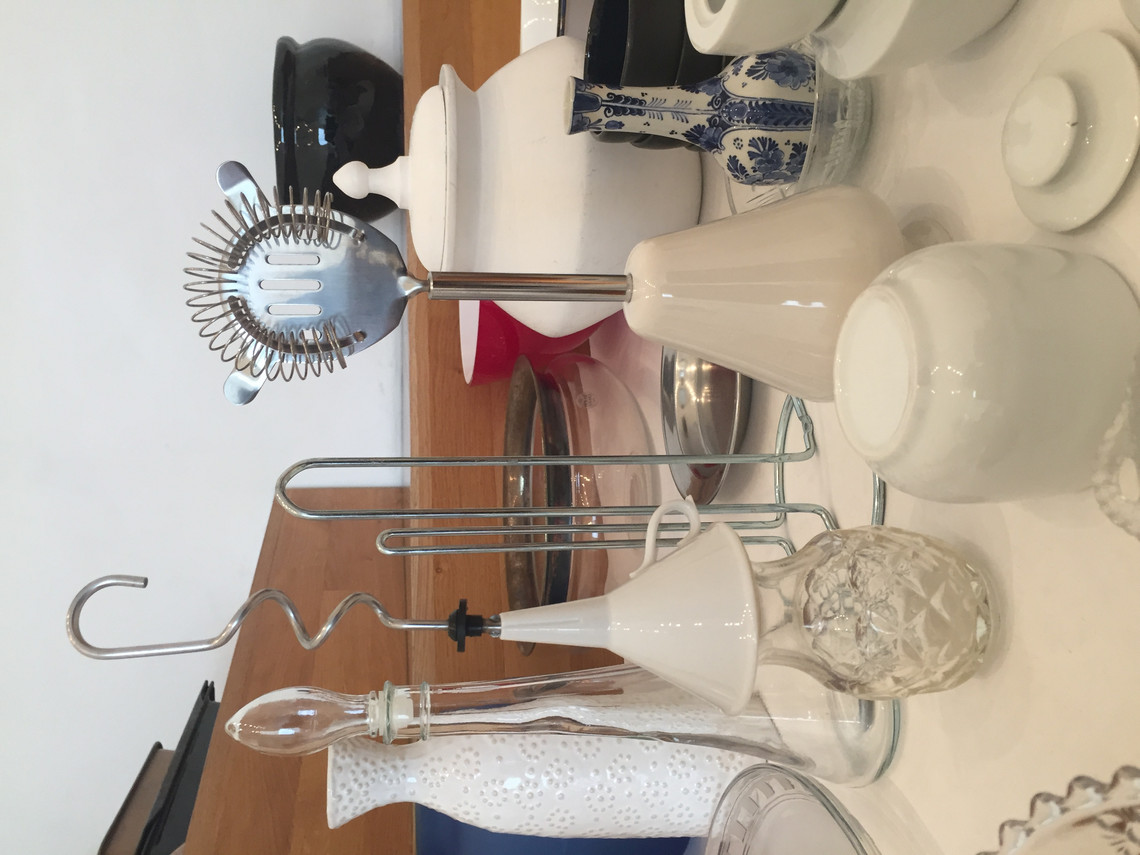
" The many things are not just objects, that have a connection to the intimate and homely. They are part of a bigger history as elements that reflect social, material and political life patterns. In the tableau the things are overturned, ripped out of their order and at the brink of collecting themselves in unlikely lineups and runaway accumulations. And the woman on top of the barricade is ready to march from the homely to the public room. With her feminist gesture the installation marks the direct connection between the little and the big story, that was also the driving force behind the women’s movement and youth uprising of the 1970s. "
SMK
Citation from: After the Silence. Spotlight on five works in the exhibition
https://www.smk.dk/en/article/after-the-silence-five-artworks/